September 13, 2025
Delhi, India
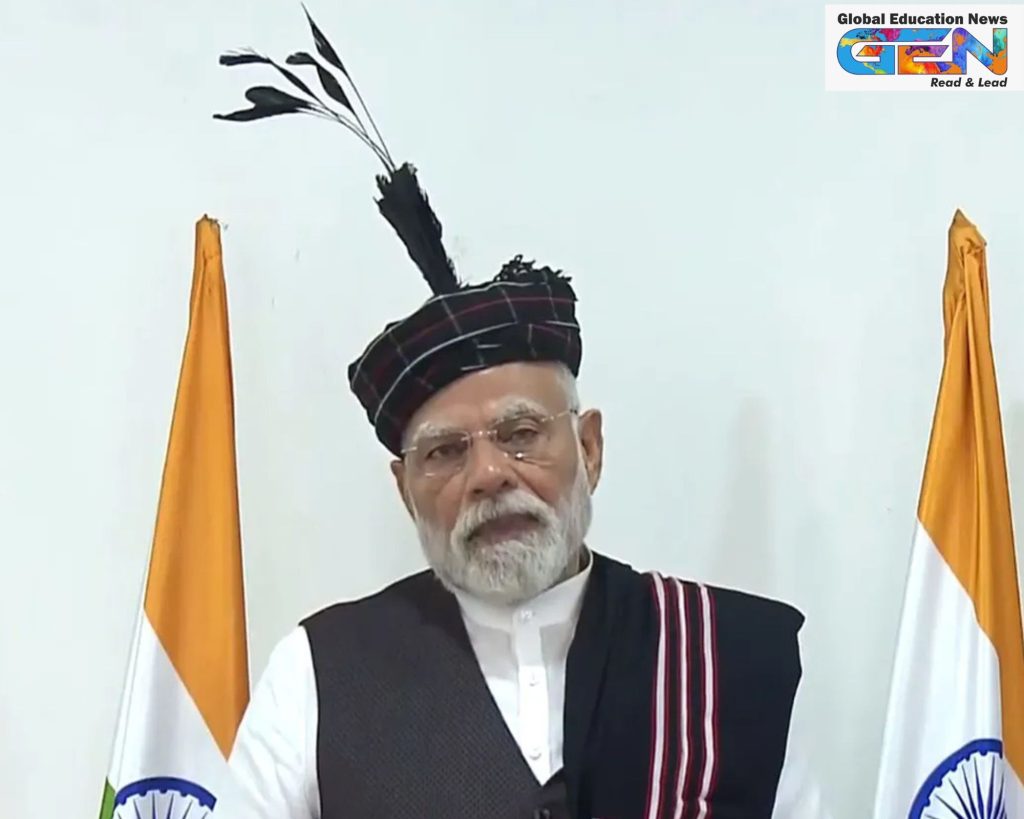
After over two years of absence amid devastating ethnic violence, Prime Minister Narendra Modi touched down in Manipur on September 13, 2025, marking his eighth visit to the state overall—the highest by any Indian Prime Minister. The unrest, erupting on May 3, 2023, between the valley-dwelling Meitei community and the hill-based Kuki-Zo tribes, has claimed over 260 lives, displaced tens of thousands, and left the state in a fragile state of division. Modi’s arrival, part of a multi-state tour including Mizoram, Assam, West Bengal, and Bihar, was no mere formality; it was a calculated move to reassure residents, project stability, and kickstart reconstruction. Despite heavy rains forcing a 1.5-hour road journey from Imphal to Churachandpur, Modi braved the weather to engage directly with the people, emphasizing that “peace is paramount for development.”
Key Points:
- Historic Milestone: First visit since the violence began; Modi highlighted it as a “new dawn of hope and trust” after speaking with camp residents.
- Itinerary Overview: Started in Churachandpur (Kuki-majority district, worst-hit by clashes) for interactions and project launches, followed by Imphal for more inaugurations and a public rally.
- Symbolic Gesture: No PM had visited Churachandpur since Rajiv Gandhi in 1988, underscoring the visit’s significance in a conflict zone.
Hands-On with the Affected: Meeting Displaced Families and Urging Harmony
At Churachandpur’s Peace Ground, Modi met internally displaced persons (IDPs) from both Kuki and Meitei communities, a poignant interaction that included children gifting him portraits and hats. He acknowledged their hardships, saluted the “spirit of the people and the land of the brave,” and stressed communal harmony as the foundation for progress. “I am with you; the Government of India is with you,” Modi assured, promising continued cooperation with the state to establish lasting peace. This direct engagement was a stark contrast to his previous remote addresses, signaling a shift toward on-ground involvement amid criticisms of neglect.
Key Points:
- IDP Interactions: Modi listened to stories of loss and displacement, urging an end to hostilities and promoting dialogue over division.
- Peace Appeal: Reiterated that “any kind of violence in Manipur is unfortunate,” linking social cohesion to the state’s future.
- Youth Focus: Emphasized empowering children and youth through education and skills, stating, “Ensure the future of your children—I promise you, I am with you.”
Development Unleashed: ₹8,500 Crore in Projects to Rebuild and Reconnect
True to his commitment to “inclusive and all-round development,” Modi laid foundation stones and inaugurated projects totaling over ₹8,500 crore, targeting infrastructure, connectivity, and welfare. In Churachandpur, ₹7,300 crore worth of initiatives were unveiled, including urban roads, drainage, and asset management (₹3,600 crore), five National Highway projects (₹2,500 crore), the Manipur Infotech Development (MIND) project, and working women’s hostels at nine locations. In Imphal, ₹1,200 crore projects followed, featuring the new Manipur Police headquarters (₹101 crore), civil secretariat (₹538 crore), road improvements, and livelihood schemes. These efforts aim to boost economic opportunities, enhance connectivity via roads and railways, and foster community welfare in a state long plagued by isolation.
Key Points:
- Churachandpur Highlights: Focus on connectivity and livelihoods to revive a violence-ravaged district; includes 7,000 houses and ₹3,000 crore relief package.
- Imphal Initiatives: 17 projects emphasizing public facilities, security infrastructure, and economic resurgence.
- Broader Vision: Part of ₹71,850 crore investments across five states, aligning with the Act East Policy to integrate the Northeast economically.
Opposition’s Sharp Critique: “Too Little, Too Late” Amid Ongoing Tensions
While the visit was hailed by the BJP as a peace catalyst, opposition voices from Congress, RJD, and others decried it as delayed and superficial. Congress MP Rahul Gandhi called it “not a big deal anymore,” noting the state’s prolonged suffering. Party president Mallikarjun Kharge labeled it a “3-hour pit stop” and “farce,” accusing Modi of tokenism and ignoring relief camp cries. Priyanka Gandhi Vadra echoed that it “should have been done two years ago.” RJD’s Tejashwi Yadav urged urgency in resolution and suggested a visit to Assam’s unrest. Even locally, Congress MP Bimol Akoijam criticized the lack of a “concrete, time-bound roadmap” for IDP resettlement, disarming, or highway access. Fresh clashes in Churachandpur, including vandalism of event decorations, underscored simmering tensions.
Key Points:
- Congress Assault: Accusations of insensitivity after 29 agonizing months; no-confidence motion in 2023 highlighted the issue.
- Local Frustrations: Reports of BJP members resigning pre-visit; critics like A. Bimol Akoijam called it “contemptuous” for ignoring core crises.
- Political Context: Opposition links the delay to 30+ foreign trips and domestic focus elsewhere, demanding more than symbolism.
A Turning Point or Token Gesture? Implications for Manipur’s Future
Modi’s visit, though brief, injects optimism into Manipur’s recovery narrative, with Chief Secretary Vineet Kumar Goel stating it will “pave the way for peace, normalcy, and accelerated growth.” By blending empathy with action, it addresses criticisms head-on while advancing the government’s Northeast agenda. However, with underlying issues like land rights, Scheduled Tribe demands, and marginalization unresolved, skeptics question if projects alone can heal divides. As Modi wraps up with events in other states, all eyes remain on whether this marks the start of a long peace process or just another chapter in political theater. For Manipur’s resilient people, the true test lies in sustained follow-through.
Key Points:
- Hope vs. Reality: Promises of cooperation and development could stabilize the region, but experts call for dialogue on root causes like ethnic demands.
- Regional Ripple: Ties into broader Northeast investments, including Mizoram’s ₹9,000 crore projects inaugurated earlier that day.
- Public Sentiment: Mixed reactions on social media—praise for commitment alongside demands for immediate action on IDPs and security.