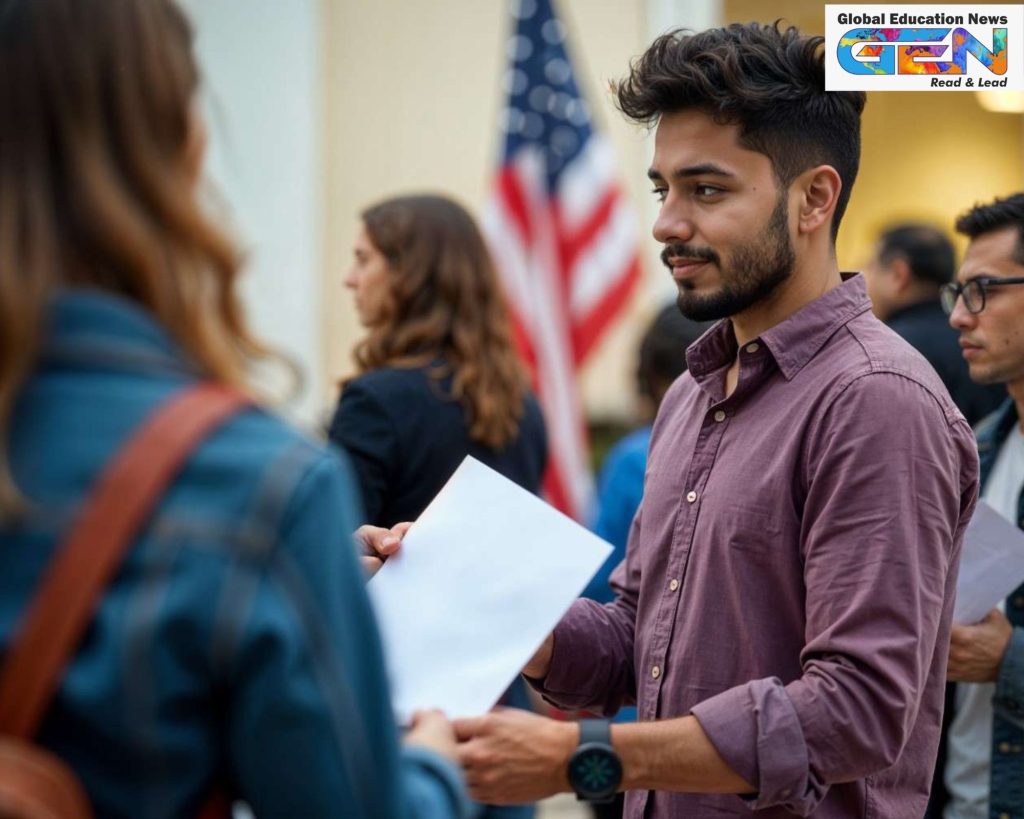
In early August 2025, the US State Department revoked over 6,000 international student visas, including approximately 3,000 Indian students (50% of the total), citing violations such as support for terrorism, pro-Palestine activism, or minor infractions like visa-term breaches. This crackdown, attributed to the Donald Trump administration’s stricter immigration policies, has heightened anxiety among the 330,000 Indian students in US universities, who constitute 30% of international students. Study abroad consultants and law firms urge students to maintain a low profile, especially on social media, to avoid scrutiny.
Key Points:
- 6,000 visas revoked, with 3,000 Indian students affected.
- Violations include political activism and minor legal breaches.
- Indian students make up 30% of US international student population.
Social Media Scrutiny and Advice
Consultants warn that AI-driven vetting systems analyze social media activity, flagging content up to five years old, particularly posts related to pro-Palestine protests or perceived anti-American sentiments. Saurabh Arora, CEO of University Living, advises students to treat their visa as a critical part of their study-abroad journey, avoiding controversial online activity. Adarsh Khandelwal of Collegify notes that 85% of visa reviews resolve without lasting impact, but students must ensure their Student & Exchange Visitor Information System (SEVIS) status, paperwork, and finances are current.
Key Points:
- AI vetting targets social media posts, including pro-Palestine content.
- Students advised to maintain neutral digital footprints.
- SEVIS compliance and university engagement critical for resolution.
University Support and Legal Guidance
US universities are stepping up with deferrals, online study options, and legal guidance to support affected students. For instance, a student whose SEVIS record was terminated for driving under the influence had their status restored in two weeks after legal intervention, as shared by Rajneesh Pathak, CEO of GlobalNorth. Consultants emphasize staying in the US during visa disputes and seeking legal help to avoid deportation, with 1,080 Indian students deported in 2025 due to visa issues.
Key Points:
- Universities offer deferrals and legal support for continuity.
- Case example: SEVIS restoration in two weeks for minor infraction.
- 1,080 deportations reported among Indian students in 2025.
Exploring Alternative Destinations
Amid visa delays and increased scrutiny, backed by $170 billion in US immigration enforcement funding, many Indian students are turning to alternative study destinations like the UK, Canada, Australia, New Zealand, Germany, Japan, Singapore, and Dubai. These countries offer more predictable visa processes and lower costs. Keshav Singhania of Singhania & Co notes that students from India, China, and West Asia face rising delays and denials, prompting a shift in higher education plans.
Key Points:
- UK, Canada, Australia favored for stable visa policies.
- $170 billion US immigration budget fuels stricter enforcement.
- Alternatives provide cost-effective and reliable study options.
Navigating the Future
The visa crackdown, linked to Project 2025’s immigration reforms, underscores the need for Indian students to be cautious. Maintaining SEVIS compliance, engaging with university international offices, and avoiding politically sensitive online activity are critical. As 330,000 Indian students navigate this uncertainty, consultants recommend keeping backup options in other countries to ensure educational continuity.
Key Points:
- Project 2025 drives stricter US immigration policies.
- Students urged to ensure SEVIS compliance and avoid political posts.
- Backup destinations recommended for educational stability.