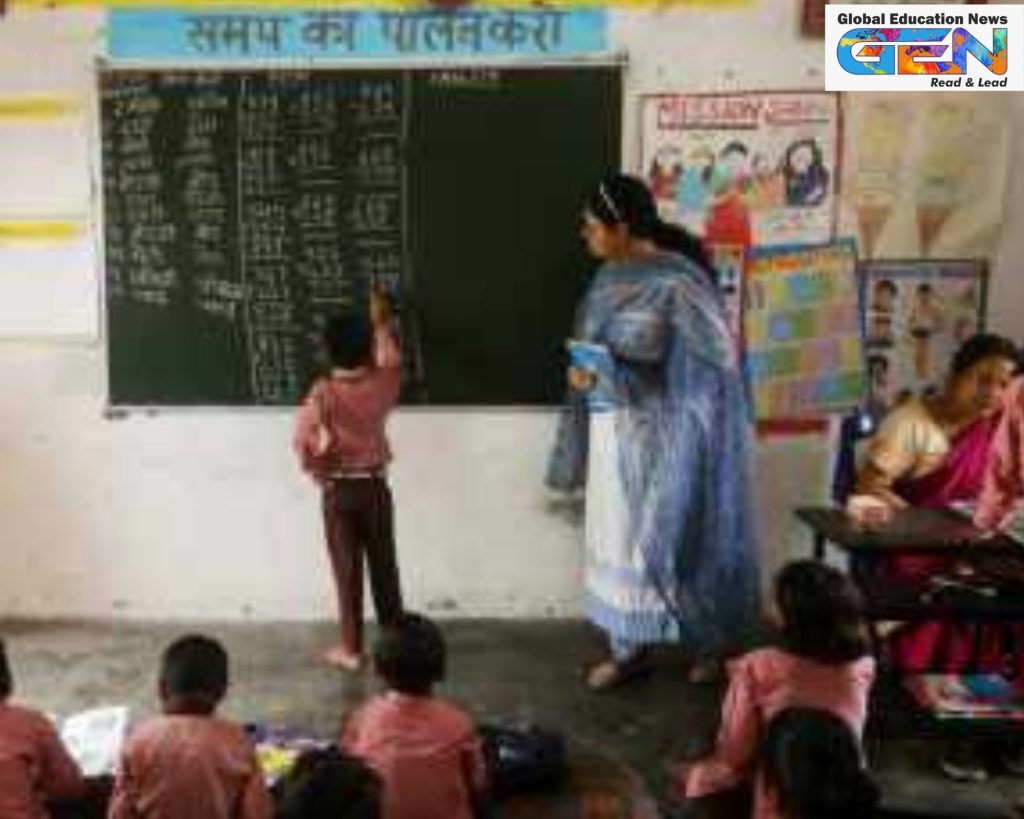
The Uttar Pradesh government has revised its primary school merger policy, shifting focus to ensure student access, safety, and learning continuity. Responding to concerns from rural communities about long travel distances and unsafe routes, the state has introduced exemptions to keep schools operational and repurpose vacant buildings for early childhood education. This move reflects a commitment to inclusive education while optimizing resources.
Key Points:
- Revised policy prioritizes student access and safety.
- Exemptions ensure schools remain open in key scenarios.
- Vacant buildings to support early childhood education programs.
New Rules: Protecting Access and Safety
The Basic Education Department has outlined clear guidelines to prevent mergers that could disrupt education. Schools with more than 50 enrolled students will remain operational, and those located over one kilometre from another school are exempt from closure. Additionally, schools separated by barriers like highways, rivers, or railway lines will stay open, even if within one kilometre of another institution.
Key Points:
- Schools with over 50 students are exempt from mergers.
- No mergers for schools over 1 km apart or separated by barriers.
- Policy aims to reduce travel distances and ensure safety.
Repurposing Infrastructure: Anganwadi and Balvatika Centres
To maximize resource use, vacant school buildings will not remain idle. Instead, they will house Anganwadi centres and Balvatika units, providing early childhood education to younger children in rural areas. This ensures that infrastructure continues to serve educational purposes, benefiting communities and supporting foundational learning.
Key Points:
- Vacant school buildings to host Anganwadi and Balvatika centres.
- Infrastructure repurposed for early childhood education.
- Move enhances educational access for younger children.
Addressing Community Concerns
The original merger policy, aimed at streamlining schools with low enrollment, faced backlash from teachers’ unions and village panchayats. Parents expressed fears about school closures forcing children, especially girls, to travel long or unsafe routes, potentially leading to dropouts. The revised policy addresses these concerns, balancing administrative efficiency with the need to keep schools accessible.
Key Points:
- Original policy caused concerns about access and dropouts.
- Revised rules respond to feedback from parents and teachers.
- Focus on preventing dropouts, particularly among girls.
Impact: Keeping Children in Classrooms
The revised policy is a significant step toward inclusive education in Uttar Pradesh. By ensuring schools remain open in remote areas and repurposing vacant buildings, the state aims to reduce dropout rates and promote regular attendance. Teachers’ associations have welcomed the changes, calling them a “corrective step” toward equitable education.
Key Points:
- Policy reduces dropout risks, especially for girls.
- Ensures schools remain accessible in rural and remote areas.
- Teachers’ unions praise the revised approach.
Conclusion: A Balanced Path Forward
Uttar Pradesh’s revised primary school merger policy demonstrates a commitment to putting students first. By prioritizing access, safety, and continuity of learning, the state is ensuring that children, particularly in rural areas, can stay in school. The innovative use of vacant buildings for Anganwadi and Balvatika centres further strengthens the education ecosystem, paving the way for a more inclusive future.
Key Points:
- Policy balances resource optimization with student needs.
- Repurposed buildings enhance early childhood education.
- Uttar Pradesh sets a model for inclusive education reforms.