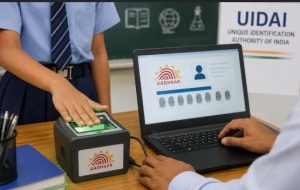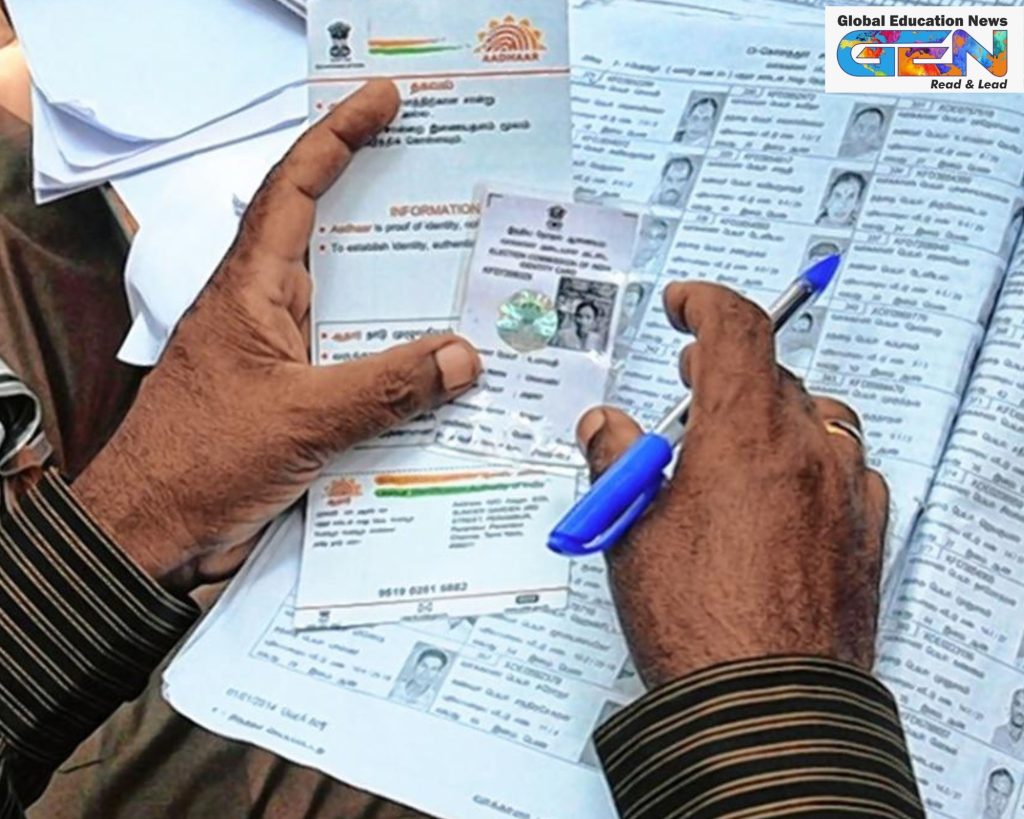
The Election Commission of India (ECI) has made a bold statement: Aadhaar, voter ID, and ration cards alone cannot establish eligibility for inclusion in electoral rolls. This clarification, detailed in a recent affidavit to the Supreme Court, comes as part of the ongoing Special Intensive Revision (SIR) in Bihar. With the ECI’s constitutional mandate under Article 324, this stance reinforces its commitment to ensuring fair and accurate elections by prioritizing Indian citizenship as the cornerstone of voter eligibility.
- Aadhaar, voter ID, and ration cards not sufficient to prove voter eligibility.
- Citizenship is the core criterion for inclusion in electoral rolls.
- Clarification submitted to Supreme Court amid Bihar’s Special Intensive Revision (SIR).
Why These Documents Fall Short
Key Points:
- Aadhaar, voter ID, and ration cards don’t confirm Indian citizenship.
- ECI accepts an illustrative list of 11 documents for voter registration.
- Flexibility exists, but citizenship proof remains non-negotiable.
The ECI explained that while Aadhaar, EPIC (voter ID), and ration cards are widely held, they do not inherently verify citizenship, a requirement under Article 326 of the Constitution. The Commission’s list of 11 accepted documents is “illustrative, not exhaustive,” allowing some flexibility. However, the focus remains on ensuring that only eligible citizens are registered, safeguarding the integrity of India’s electoral process.
Bihar’s SIR: A Massive Cleanup Effort
Key Points:
- SIR aims to update and purify Bihar’s electoral rolls.
- Over 7.11 crore electors (90.12%) submitted enumeration forms by July 18.
- Covers 94.68% of Bihar’s electorate, accounting for deaths and migration.
The Special Intensive Revision in Bihar is a colossal exercise to ensure electoral rolls are accurate and inclusive. By July 18, the ECI had processed forms from over 7.11 crore electors, covering nearly 95% of the state’s electorate when adjusted for factors like deaths and migration. Far from being exclusionary, the SIR is designed to strengthen voter inclusion while maintaining the purity of electoral rolls.
ECI’s Constitutional Authority
Key Points:
- Article 324 grants ECI plenary powers to oversee elections.
- Authority includes deciding valid documents for voter registration.
- ECI defends its process against Supreme Court scrutiny.
Under Article 324, the ECI holds the reins to conduct and supervise Indian elections, including managing electoral rolls. In its affidavit, the Commission asserted its right to determine which documents qualify for voter eligibility. This authority allows the ECI to exclude documents like Aadhaar if they don’t meet the citizenship criterion, ensuring a robust and fair voter verification process.
Addressing Concerns and Political Support
Key Points:
- ECI calls petitions against SIR “premature” and based on unverified media reports.
- All political parties have supported and cooperated with the SIR.
- Denial of registration does not equate to loss of citizenship.
The ECI has dismissed allegations against the SIR as “premature” and lacking evidence, emphasizing that the process is transparent and inclusive. All political parties in Bihar have backed the revision, collaborating to ensure its success. The Commission also clarified that being denied voter registration does not imply a loss of citizenship, addressing concerns about potential exclusion.
What This Means for Indian Voters
Key Points:
- Strengthens the integrity of India’s electoral system.
- Ensures only eligible citizens are included in voter lists.
- Sets a precedent for future electoral roll revisions nationwide.
This clarification from the ECI is a significant step toward maintaining the credibility of India’s electoral system. By prioritizing citizenship verification, the Commission ensures that electoral rolls reflect only eligible voters, fostering trust in the democratic process. The Bihar SIR serves as a model for similar exercises across India, balancing inclusion with accuracy.
Looking Ahead: A Fairer Electoral Future
Key Points:
- ECI remains committed to transparent and inclusive elections.
- Flexibility in document acceptance to accommodate diverse voters.
- Ongoing efforts to refine voter verification processes.
As the ECI navigates judicial scrutiny and public concerns, its focus remains on delivering fair elections. The flexibility in its document policy ensures that eligible voters aren’t unfairly excluded, while the emphasis on citizenship guarantees the integrity of the process. With the Bihar SIR setting a strong precedent, the ECI is paving the way for a more robust and inclusive electoral framework in 2025 and beyond.