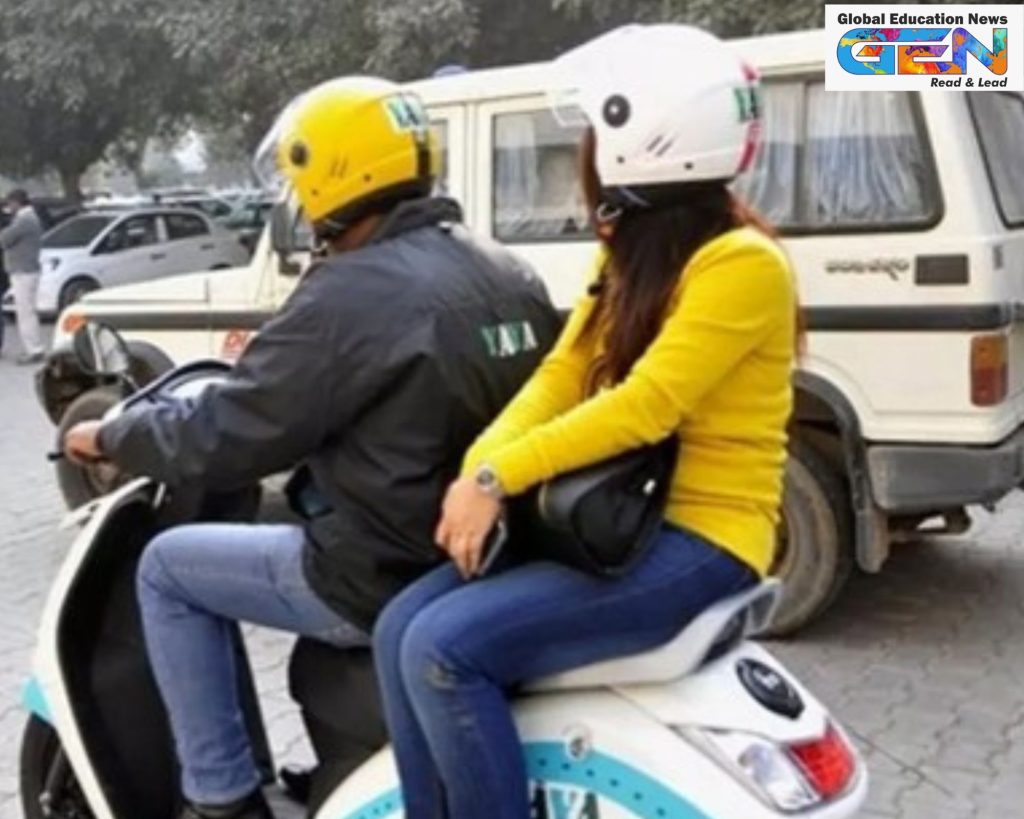
In India’s bustling cities, bike taxis are redefining urban mobility and fueling the gig economy. With platforms like Rapido, Ola, and Uber leading the charge, these nimble two-wheelers offer affordable, quick, and eco-friendly transport, slicing through traffic where cars and autos falter. The Government of India’s approval in January 2024 for bike taxis, pending state consent, has sparked hope for millions of gig workers. Despite regulatory roadblocks, the sector is projected to create 5.4 million jobs by 2030 and reach a market size of $1.48 billion, making it a cornerstone of India’s economic and mobility landscape in 2025. Ready to explore this game-changer? Let’s ride into the details
Key Points:
- Market Growth: From $50.5 million in 2021 to $1.48 billion by 2030 (48.5% CAGR).
- Job Creation: Potential for 5.4 million livelihoods by 2030.
- Government Move: Approved bike taxis in 2024, subject to state regulations.
- Key Players: Rapido, Ola, Uber, Namma Yatri, and others drive the market.
Why Bike Taxis Are Winning Hearts
Bike taxis are a lifeline for urban commuters and gig workers alike. In cities like Bengaluru, Delhi, and Chennai, they bridge the last-mile connectivity gap, linking metro stations, bus stops, and homes. Their affordability—often under ₹10 per km—makes them a go-to for students, office-goers, and low-income groups. For gig workers, bike taxis offer flexible income, with 50% of drivers using them as a secondary job. Posts on X highlight their popularity, with users praising their “life-saving” speed in traffic-choked cities, though some raise safety concerns for women riders.
Key Points:
- Affordability: Cheaper than autos or cabs, ideal for short trips (70–85% under 7 km).
- Last-Mile Solution: Enhances public transport by connecting hubs.
- Gig Flexibility: 50% of drivers use existing bikes for extra income.
- Public Sentiment: X users call bike taxis “essential” but note safety issues.
The Economic Impact: Jobs and Growth
The bike taxi sector is a powerhouse in India’s gig economy, which is set to grow to 23.5 million workers by 2030, per NITI Aayog. Bike taxis alone could contribute 5.4 million jobs, leveraging India’s massive two-wheeler market (81% of vehicles sold). A KPMG study notes that 100% of drivers use existing bikes, with 60% upgrading for gig work, boosting asset utilization. The sector’s $5 billion revenue potential by 2030, as per Ola Mobility Institute, underscores its economic significance, supporting ₹360 billion in activity in 2024.
Key Points:
- Gig Workforce: Expected to hit 23.5 million by 2030 from 7.7 million.
- Job Potential: 5.4 million bike taxi jobs by 2030.
- Economic Boost: ₹360 billion in 2024; $5 billion potential by 2030.
- Asset Use: 100% of drivers use existing bikes, 60% upgraded.
Regulatory Roadblocks: A Bumpy Ride
Despite their popularity, bike taxis face significant hurdles. The Karnataka High Court’s ban in June 2025, citing safety and regulatory gaps, affected over 1 lakh gig workers in Bengaluru, sparking protests and an open letter to CM Siddaramaiah. States like Delhi, Maharashtra, and Assam have also banned bike taxis, often due to opposition from auto-rickshaw unions fearing income loss. The Motor Vehicles Act, 2019, defines aggregators but leaves regulation to states, creating inconsistency. However, states like Goa, Haryana, and West Bengal have embraced bike taxis with flexible policies like QR codes or short-term permits.
Key Points:
- Karnataka Ban: Enforced June 16, 2025, impacting 1 lakh workers.
- State Variations: Goa, Haryana allow bike taxis; Karnataka, Delhi ban them.
- Union Opposition: Auto-rickshaw unions resist, fearing competition.
- Policy Gaps: No uniform national framework; states decide rules.
Going Green: The Electric Bike Taxi Surge
The shift to electric bike taxis is a game-changer. KPMG predicts 30–35% electric two-wheeler penetration by 2030, reducing emissions by 12–60% compared to CNG or diesel autos. Companies like Rapido and Uber are partnering with EV makers like Zypp and Bounce to electrify fleets, offering cost savings to drivers. This aligns with India’s sustainability goals, making bike taxis a greener alternative in congested cities. X users applaud this eco-friendly shift, though some note the high cost of EV adoption for gig workers.
Key Points:
- EV Growth: 30–35% electric bike penetration by 2030.
- Emissions: 12–60% lower than CNG/diesel autos.
- Partnerships: Rapido, Uber collaborate with Zypp, Bounce for EVs.
- Challenges: High EV costs concern gig workers.
Challenges and Solutions: Paving the Way Forward
Bike taxis face safety concerns, particularly for women, and resistance from traditional transport unions. The Karnataka ban led to increased traffic congestion (up to 83% at peak hours) and costlier auto fares, highlighting their urban role. Experts suggest flexible regulations like QR code permits, annual fees (₹1,000–1,200, supported by 83% of drivers), and safety training to legitimize the sector. A Platform India initiative, proposed by NITI Aayog, could streamline policies and extend social security to gig workers.
Key Points:
- Safety Concerns: Women riders report trust issues; training needed.
- Traffic Impact: Karnataka ban spiked congestion by 18–22%.
- Proposed Fixes: QR codes, annual permits, and safety protocols.
- Policy Vision: Platform India initiative for gig worker support.
Tips for Aspiring Bike Taxi Drivers
Want to join the bike taxi boom? Here’s how to get started:
Key Points:
- Join a Platform: Sign up with Rapido, Ola, or Uber via their apps.
- Upgrade Your Bike: Ensure your two-wheeler meets safety standards; consider EVs.
- Understand Regulations: Check state-specific rules to avoid penalties.
- Prioritize Safety: Wear helmets, use reflective jackets, and take training.
- Maximize Earnings: Focus on peak hours and high-demand areas like metro stations.
The Road Ahead: Bike Taxis in 2025 and Beyond
Bike taxis are here to stay, transforming India’s gig economy and urban mobility. With a projected 318 million rides in 2023 and a $1.48 billion market by 2030, they’re a vital solution for traffic-choked cities. Despite bans in states like Karnataka, the sector’s growth in places like Goa and West Bengal shows promise. By embracing electric bikes, clear regulations, and social security, India can unlock the full potential of bike taxis, creating jobs and easing commutes. X users urge, “Bring bike taxis back!”—a call to action for policymakers. Join the ride and stay updated via rapido.bike or ola.com