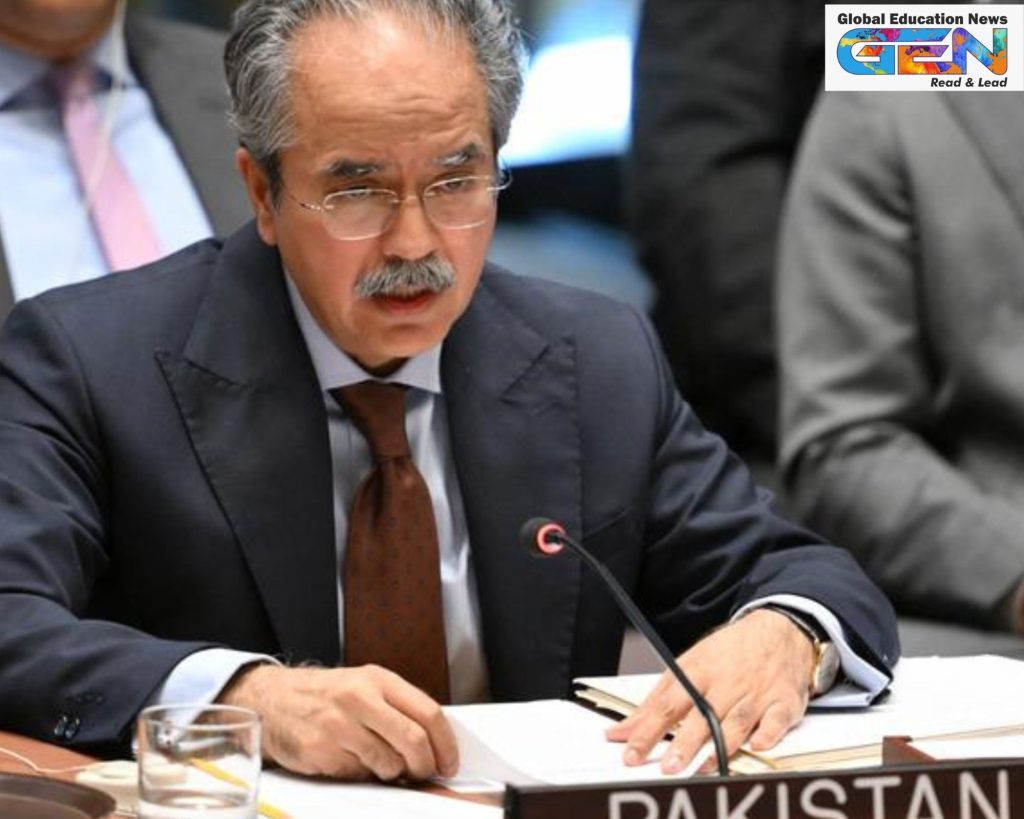
On July 1, 2025, Pakistan took the reins of the United Nations Security Council (UNSC) presidency for July, a role it assumes with “purpose, humility, and conviction.” As a non-permanent member for 2025–2026, elected with 182 of 193 votes in June 2024, Pakistan is leveraging this platform to champion peace, dialogue, and multilateralism. Led by Ambassador Asim Iftikhar Ahmad and with Deputy Prime Minister Ishaq Dar chairing key events, Pakistan aims to tackle global crises like conflicts and humanitarian challenges. Here’s a deep dive into this historic moment
Key Points:
- Presidency Start: July 1, 2025, for one month, following alphabetical rotation.
- Eighth Term: Pakistan’s first UNSC presidency since 2013, eighth since 1952.
- Global Focus: Emphasizes peace, international law, and UN Charter principles.
Pakistan’s Ambitious Agenda for July 2025
Pakistan has planned a robust schedule to address pressing global issues. The presidency, though largely procedural, offers a chance to shape the UNSC’s agenda. Key events include:
- July 22: Open debate on “Promoting International Peace and Security through Multilateralism and Peaceful Settlement of Disputes”, chaired by Ishaq Dar.
- July 23: Quarterly debate on the Question of Palestine, addressing ongoing regional tensions.
- July 24: Briefing on Cooperation with the Organisation of Islamic Cooperation (OIC), focusing on regional partnerships.
Pakistan also chairs the Taliban Sanctions Committee and serves as vice-chair of the Counter-Terrorism Committee, amplifying its role in global security.
Key Points:
- High-Level Events: Three major meetings to address peace, Palestine, and OIC ties.
- Sanctions Role: Chairs Taliban Sanctions Committee, targeting threats in Afghanistan.
- Diplomatic Push: Promotes dialogue over conflict, led by Ishaq Dar.
Why Pakistan’s Presidency Matters
The UNSC, with 15 members (five permanent, ten non-permanent), is the world’s top body for maintaining peace and security. Pakistan’s presidency, though symbolic and lasting only a month, comes at a time of global tumult—escalating conflicts, geopolitical tensions, and humanitarian crises. Ambassador Asim Iftikhar Ahmad emphasized Pakistan’s commitment to transparency, inclusivity, and responsiveness, promising to work with all members for timely action aligned with the UN Charter. Pakistan’s history of contributing to UN peacekeeping missions since 1952 adds weight to its leadership.
Key Points:
- Global Stage: Presidency offers visibility to shape UNSC’s tone and agenda.
- Peacekeeping Legacy: Pakistan’s long-standing role in UN missions since 1952.
- UN Charter Focus: Anchors presidency in international law and cooperation.
Controversies and Regional Tensions
Pakistan’s presidency has stirred debate, especially in India, where critics label it a “diplomatic failure” for New Delhi. Tensions over the Pahalgam attack in Kashmir, which India attributes to Pakistan-backed militants, have escalated. India’s Operation Sindoor, a retaliatory strike, and its suspension of the Indus Waters Treaty have drawn Pakistan’s ire, with Islamabad planning to raise Kashmir in UNSC meetings. Posts on X reflect Indian outrage, calling Pakistan a “terror state” leading a global security body, while others see it as a routine rotation.
Key Points:
- India-Pakistan Tensions: Kashmir and Operation Sindoor likely to feature in debates.
- Criticism on X: Indian voices decry Pakistan’s role as a “terror state.”
- Neutral Rotation: Presidency is alphabetical, not a reflection of global approval.
Challenges Facing Pakistan’s Leadership
Leading the UNSC isn’t easy. The Council is often deadlocked, especially on issues like Gaza and Ukraine, due to vetoes by permanent members (China, France, Russia, UK, US). Pakistan must navigate these divisions while addressing terrorism, humanitarian crises, and regional disputes. Critics, including Baloch activists on X, fear Pakistan may use the platform to deflect accusations of war crimes in Balochistan or push its narrative on Kashmir. Still, Ambassador Ahmad vows a non-partisan approach to foster consensus.
Key Points:
- Deadlocked UNSC: Vetoes hinder action on major global issues.
- Regional Criticism: Baloch activists slam Pakistan’s human rights record.
- Neutral Stance: Pakistan pledges fairness and inclusivity.
Global Reactions and Implications
Pakistan’s presidency has drawn mixed responses. Its 182-vote election in 2024 reflects strong UN support, bolstered by ties with China, Russia, and the US (evidenced by a recent lunch hosted by the US for Pakistan’s army chief). However, India’s accusations of terrorism sponsorship and its diplomatic isolation efforts highlight a regional divide. Pakistan’s focus on Palestine and OIC cooperation could strengthen its ties with Islamic nations, but risks alienating others if perceived as biased.
Key Points:
- Global Support: 182 votes show confidence in Pakistan’s UNSC role.
- Regional Friction: India plans to counter Pakistan’s narrative on Kashmir.
- Diplomatic Opportunity: Strengthens ties with OIC and key allies.
What to Expect in July 2025
Pakistan’s presidency will be a balancing act—promoting multilateralism while navigating tensions with India and global crises. The July 22–24 events will test its diplomatic finesse, with Ishaq Dar’s leadership under scrutiny. Follow updates via @PakistanUN_NY or un.org/securitycouncil for real-time insights. Will Pakistan rise above controversies to foster global peace, or will regional disputes dominate its tenure? Stay tuned
Key Points:
- Key Dates: July 22–24 for high-level debates on peace and Palestine.
- Diplomatic Test: Pakistan must balance neutrality with its agenda.
- Stay Updated: Track @PakistanUN_NY for live updates.