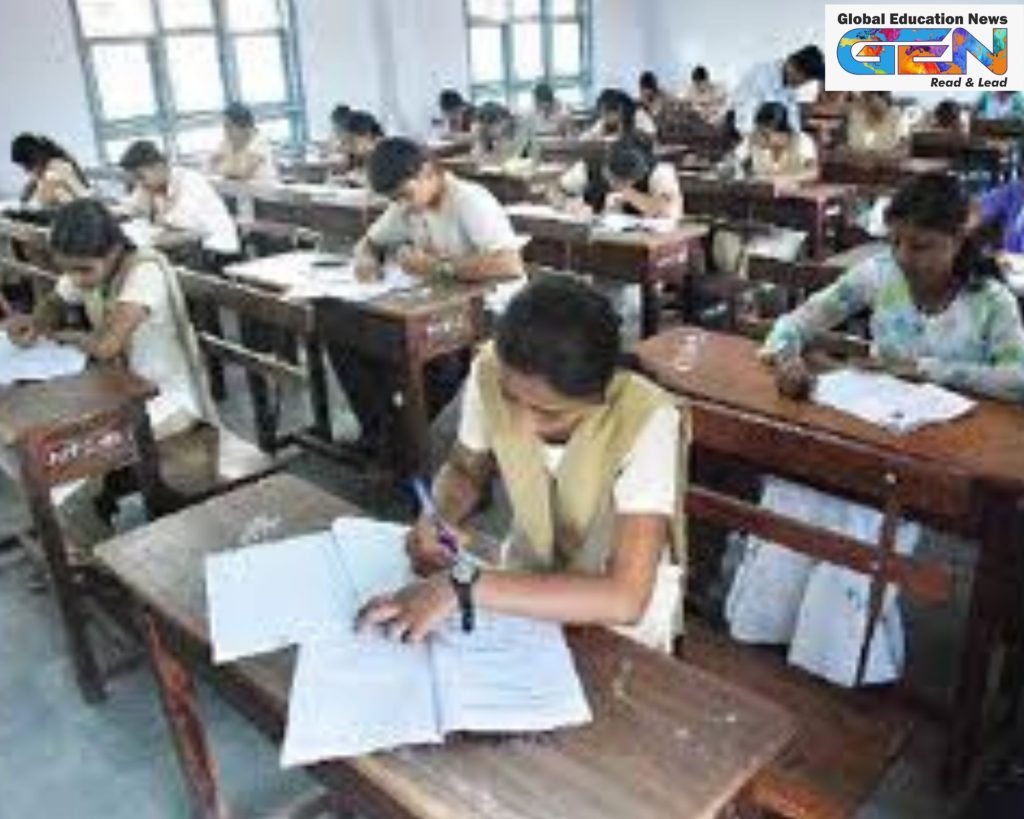
The Central Board of Secondary Education (CBSE) is flipping the script on Class 10 board exams with a biannual exam system starting in 2026. Aligned with the National Education Policy (NEP) 2020, the policy lets students take a mandatory exam in February and an optional second shot in May to improve scores in up to three subjects—Science, Mathematics, Social Science, or two language papers. With results out by April for the first exam and June 30 for the second, CBSE promises a stress-free path to academic success. But not everyone’s cheering—educators are sounding alarms.
- New Rule Alert: Class 10 board exams twice a year starting 2026—February (mandatory) and May (optional).
- NEP 2020 Vision: Aims to reduce exam stress and offer score improvement flexibility.
- Best Score Wins: The higher score from either exam counts for the final marksheet.
Why Educators Are Pushing Back
- Workload Woes: Teachers face extended schedules for exam prep, evaluation, and support classes.
- Calendar Chaos: Schools must rejig academic timelines, squeezing regular teaching into tighter windows.
- Stress Overload: Extended exam periods could burn out students and teachers alike.
While CBSE’s goal is to ease exam stress, many educators argue it’s a double-edged sword. Principals warn that the biannual exam system could disrupt school schedules, with exams spanning 16–18 days per phase. “We’ll need to reschedule academic calendars and extend support classes far beyond the usual term,” one school leader noted. Teachers, already stretched thin, face increased workloads for grading and mentoring. Some fear students might feel pressured to retake exams for marginal score gains, especially under parental expectations, leading to mental health concerns. A recent X post echoed this sentiment, stating, “Even if students do well in the first exam, parents will push them to retake just for better marks, leading to unnecessary stress.”
The Bright Side: Benefits for Students
- Second Chance Power: Improve scores in three subjects without risking your first attempt.
- Special Provisions: Sportspersons, students in winter-bound areas, or those with valid reasons can skip the first exam.
- Flexible Learning: Only one internal assessment, reducing repetitive coursework.
Despite the backlash, the policy has its fans. A CBSE survey found 64% of students support the two-exam system, seeing it as a low-stakes way to boost grades. Students who miss the February exam due to extreme weather (think snowy Ladakh) or events like sports can rely on the May exam. Those in the compartment category or seeking improvement get a fair shot without repeating a full year. Union Education Minister Dharmendra Pradhan called it a “laudable step” toward a joyful learning environment, aligning with NEP 2020’s vision.
How to Ace the New Exam System
- Start Early: Master the CBSE Class 10 syllabus before February to free up revision time.
- Mock It Up: Practice with CBSE sample papers to nail the exam pattern and timing.
- Focus on Weak Spots: Use April results to target subjects for the May exam.
- Stay Cool: Follow Pariksha Pe Charcha tips for stress management—think yoga, breaks, and a solid sleep schedule.
- Plan Smart: With only one internal assessment, prioritize it early to ease later pressure.
To turn this dual-exam opportunity into a win, students need a game plan. Start by tackling the syllabus early, focusing on core subjects like Science and Mathematics. Regular practice with past papers builds confidence and speed. After the February results, zero in on weaker areas for the May retry. Keep stress in check with a balanced routine—CBSE’s own stress-busting programs like Pariksha Pe Charcha offer practical tips to stay calm.
What’s Next for Class 12 and Beyond?
- Class 12 on Deck: CBSE plans to extend the biannual system to Class 12 after testing it with Class 10.
- Timely Results: June 30 deadline ensures smooth transitions to college admissions.
- Pilot Phase: Class 10 outcomes will shape future rollouts for a balanced approach.
CBSE is eyeing the two-exam model for Class 12, but experts urge caution. The board will assess Class 10’s success before scaling up, ensuring logistical kinks are ironed out. With results finalized by June 30, students won’t face delays in higher education applications. Stay glued to cbse.gov.in for the latest schedules and updates.
Balancing Act: Can CBSE Make It Work?
- The Goal: Reduce exam pressure and empower students with choice.
- The Challenge: Avoid overwhelming students and teachers with extended exam cycles.
- The Fix: Streamlined logistics and support for schools to ease the transition.
The CBSE biannual exam plan is a bold experiment in student-centric education, but it’s not without hurdles. While it offers flexibility and a safety net, the concerns over teacher workload, student mental health, and disrupted academic calendars can’t be ignored. Educators are calling for a rethink—perhaps more support staff or staggered exam phases—to make it work. As one principal put it, “The question isn’t just whether students can take a second chance, but whether schools can handle the load.” Will CBSE strike the right balance? Only time will tell.