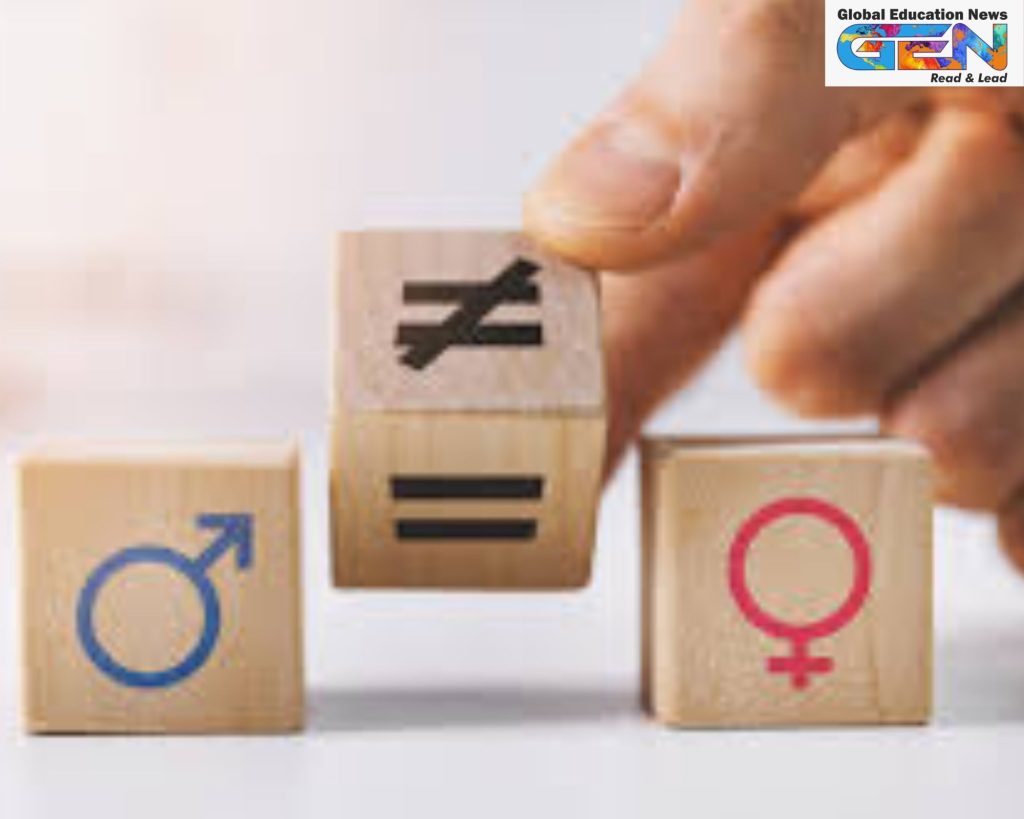
India has taken a step backward in its journey toward gender equality, ranking 131st out of 148 countries in the World Economic Forum’s (WEF) Global Gender Gap Index 2025, a drop of two places from its 129th position in 2024. With a parity score of just 64.1%, India lags behind most South Asian neighbors, closing only about two-thirds of its gender gap. Released on June 12, 2025, the 19th edition of this report highlights both progress and setbacks across four key dimensions: Economic Participation, Educational Attainment, Health and Survival, and Political Empowerment. From slight economic gains to a troubling dip in political representation, here’s a deep dive into India’s performance, what’s at stake, and how we can bridge the gap!
Why India’s 131st Rank Matters
- Global Context: The global gender gap closed to 68.8%, a record high, but India trails at 64.1%.
- South Asia Lag: Behind Bangladesh (24th), Bhutan (119th), Nepal (125th), and Sri Lanka (130th).
- Economic Progress: Parity in workforce participation improved by 0.9 points to 40.7%.
- Political Setback: Women’s representation in Parliament and ministerial roles declined.
The WEF Global Gender Gap Index 2025 paints a mixed picture for India. While the global gender gap saw its strongest annual improvement since the COVID-19 pandemic, India’s 64.1% parity score places it among South Asia’s lowest performers, ahead only of Maldives (138th) and Pakistan (148th). Despite a slight overall score increase of 0.3 points, India’s rank slipped due to stronger gains by other economies. Posts on X reflect public concern, with users calling for urgent action to address this “worrying slide.” Let’s unpack where India stands and what’s driving this ranking.
Breaking Down India’s Performance
- Economic Participation (40.7%): Improved by 0.9 points, with estimated earned income rising from 28.6% to 29.9% parity.
- Educational Attainment (~95%): Near parity, with literacy gaps persisting (two-thirds of women vs. 82% of men).
- Health and Survival (~95%): Stable but historically weak, ranking 150th in past reports due to unequal healthcare access.
- Political Empowerment (5.9%): Dropped 0.6 points, with women’s parliamentary representation falling from 14.7% to 13.8% and ministerial roles from 6.5% to 5.6%.
India’s Economic Participation and Opportunity score saw a modest uptick, driven by a slight increase in women’s earned income. However, the 40.7% parity score ranks India 142nd globally, highlighting deep challenges like low workforce participation (145th) and limited leadership roles (136th). Educational Attainment and Health and Survival remain near parity, but gaps in literacy and healthcare access for women persist. The biggest concern is Political Empowerment, where India’s score fell to 5.9%, far below its 2019 peak of 30%. With only 13.8% women in Parliament and 5.6% in ministerial roles, India’s political landscape is moving backward, despite the Women’s Reservation Bill 2023 awaiting implementation.
Key Dates and Report Highlights
- Report Released: June 12, 2025
- Global Parity: 68.8% closed, 123 years to full parity
- Top Countries: Iceland (1st), Finland, Norway, UK, New Zealand
- South Asia Leader: Bangladesh (24th, up 75 ranks)
- India’s Rank: 131st, down from 129th in 2024
The WEF’s 19th Global Gender Gap Report, covering 148 economies, shows global progress but stark regional disparities. Europe leads with 75% parity, while South Asia lags at 63.7%. India’s 131st rank reflects a relative drop, as neighbors like Bangladesh surged ahead with gains in political and economic spheres. The report estimates 123 years to achieve global gender parity at current rates, underscoring the urgency for action. Check weforum.org for the full report and detailed data.
What’s Pulling India Down?
- Political Decline: Fewer women in Parliament (13.8%) and ministerial roles (5.6%) signal a reversal.
- Economic Barriers: Only 25% of women are in the workforce, vs. 82% of men, with a 20% income gap.
- Cultural Challenges: Persistent issues like violence, forced marriage, and health discrimination.
- Policy Gaps: Delayed implementation of the Women’s Reservation Bill hinders progress.
India’s slide to 131st stems largely from a 0.6-point drop in Political Empowerment. The decline in women’s representation—74 women MPs in the 2025 Lok Sabha (13.6%) vs. 78 in 2019—raises red flags, especially with the Women’s Reservation Bill yet to take effect. Economically, India’s 40.7% parity is hampered by low workforce participation and a wide income gap, with women earning just one-fifth of men’s income. Cultural factors, including gender-based violence and healthcare disparities, continue to limit progress, as noted in past WEF reports. Compared to Bangladesh’s 24th rank, driven by strong political representation, India’s gaps are glaring.
How Can India Bridge the Gap?
- Boost Political Representation: Fast-track the Women’s Reservation Bill to reserve 33% seats for women.
- Economic Inclusion: Promote women’s workforce participation through skill programs and wage equality.
- Education and Health: Close literacy gaps and ensure equal healthcare access for women.
- Public Awareness: Leverage campaigns to challenge cultural norms and reduce gender-based violence.
WEF Managing Director Saadia Zahidi emphasized that “governments must strengthen frameworks for business and civil society to make gender parity an economic imperative.” For India, this means urgent policy action. Implementing the Women’s Reservation Bill could boost political empowerment, while schemes like Skill India and Beti Bachao Beti Padhao can enhance economic and educational outcomes. Public-private partnerships, as seen in Bangladesh, offer a model for success. Posts on X suggest growing public demand for such reforms—now’s the time to act!
Why This Matters for India’s Future
- Economic Growth: Gender parity could add billions to India’s GDP, per WEF estimates.
- Social Equity: Closing gaps fosters inclusive, resilient societies.
- Global Standing: Improving ranks enhances India’s image as a progressive nation.
- SDG Goals: Aligns with UN’s 2030 Sustainable Development Goals for gender equality.
India’s 131st rank in the WEF Gender Gap Index 2025 is a wake-up call. With a 64.1% parity score, the country risks falling further behind unless it tackles political and economic disparities head-on. The global gender gap’s 68.8% closure shows progress is possible, but India must accelerate. As Iceland leads at 93.5% parity, India can draw inspiration from top performers and neighbors like Bangladesh. Closing the gap isn’t just about rankings—it’s about unlocking India’s full potential for growth and equity.
Act Now – Stay Informed!
- Read the Report: Visit weforum.org for detailed insights.
- Join the Conversation: Share your views on gender equality on social media.
- Support Reforms: Advocate for policies like the Women’s Reservation Bill.
- Spread Awareness: Share this article to spark action among friends and family!
India’s slide to 131st in the WEF Global Gender Gap Index 2025 is a challenge, but also an opportunity. With targeted reforms and collective action, India can climb the ranks and build a more equitable future. Check weforum.org for the full report, and let’s push for change—starting today!