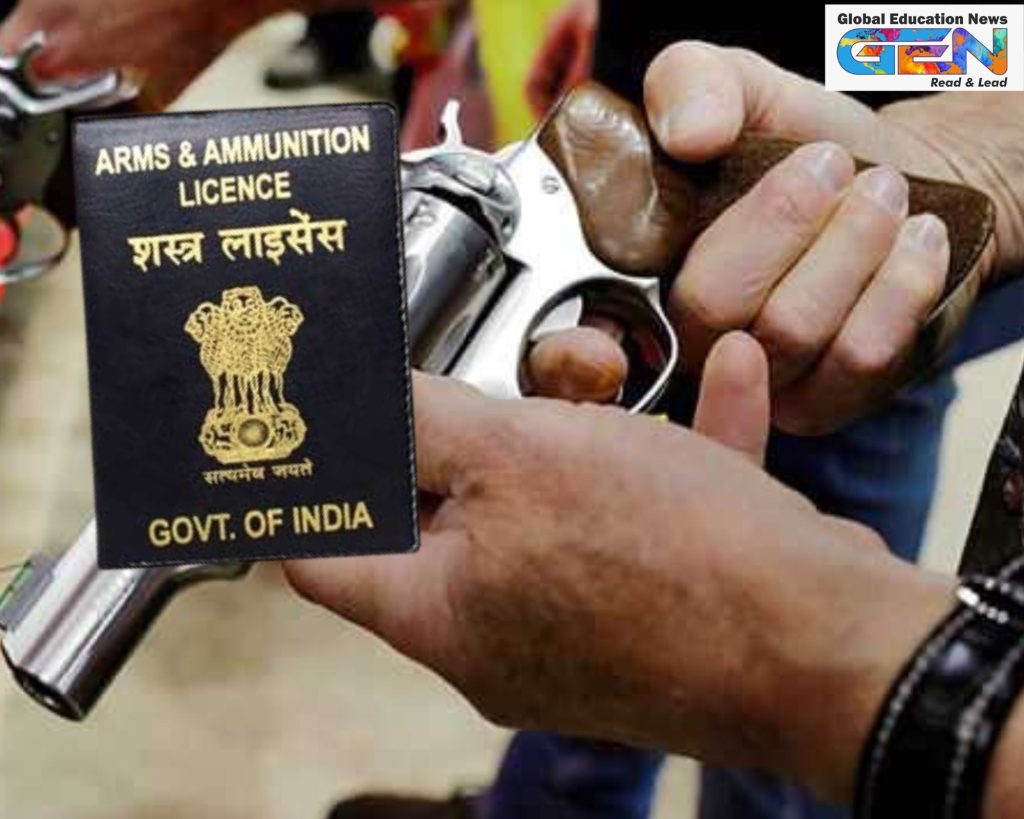
On May 29, 2025, the Assam Cabinet, led by Chief Minister Himanta Biswa Sarma, greenlit a groundbreaking scheme to issue arms licences to indigenous and original inhabitants in vulnerable and remote areas near the Bangladesh border. Targeting districts like Dhubri, Barpeta, Nagaon, Morigaon, Goalpara, and South Salmara-Mankachar, this initiative responds to long-standing security fears among indigenous communities. Amid rising tensions linked to cross-border issues and recent developments in Bangladesh, the scheme aims to empower locals to protect themselves. But with controversy brewing, what does this mean for Assam’s future? Let’s dive in!
- Key Points:
- Scheme approved on May 29, 2025, for indigenous residents.
- Covers Muslim-majority districts like Dhubri and Barpeta.
- Aimed at boosting personal security amid border tensions.
Why Now? The Context Behind the Decision
The Assam government cites growing insecurity among indigenous populations in areas where they are minorities, particularly in Dhubri and Barpeta, which border Bangladesh. These districts, with Bengali-speaking Muslim majorities, have seen heightened fears due to recent incidents in Bangladesh and alleged cross-border infiltration. The state’s crackdown on illegal immigration—with 49 individuals pushed back on May 27–29, 2025—has amplified local concerns. Chief Minister Sarma links the scheme to the Assam Agitation (1979–1985), noting that earlier action might have prevented land dispossession by indigenous families.
- Key Points:
- Demographic shifts in Dhubri, Barpeta fuel insecurity.
- Recent Bangladesh developments heighten local fears.
- Builds on Assam Agitation demands for indigenous protection.
Who Qualifies? Eligibility for Arms Licences
Not everyone can apply for an arms licence under this scheme. The criteria are strict yet leniently processed to ensure accessibility:
- Indigenous Status: Applicants must be original inhabitants or indigenous Indian citizens of Assam, verified by valid ID.
- Location: Must reside in vulnerable and remote areas, like Dhubri, Barpeta, or Nagaon, identified by the government.
- Security Need: Assessed via police verification, intelligence-based threat assessment, and district magistrate consultation.
The government promises a lenient approach to approvals, prioritizing those facing genuine security threats.
- Key Points:
- Open to indigenous residents in vulnerable districts.
- Requires police and intelligence verification.
- Lenient processing to ensure access for those in need.
Historical Roots: Echoes of the Assam Agitation
The demand for arms licences isn’t new—it dates back to the Assam Agitation (1979–1985), a movement against illegal immigration that shaped Assam’s socio-political landscape. Sarma argues that past governments’ failure to act led to land sales and displacement of indigenous communities. The scheme, framed as fulfilling the BJP’s “Jati, Mati, Bheti” (identity, land, homeland) pledge, aims to restore confidence and prevent further erosion of indigenous rights.
- Key Points:
- Roots in 1979–1985 Assam Agitation demands.
- Aims to prevent land loss and displacement.
- Aligns with BJP’s indigenous protection agenda.
Implementation: Fast-Track to Security
The scheme is set to roll out immediately after its official notification on May 29, 2025. The government is moving swiftly to:
- Identify Vulnerable Areas: Districts like Dhubri, Barpeta, and South Salmara-Mankachar are prioritized.
- Streamline Licensing: Applications will undergo police verification and security consultations for quick approvals.
- Ensure Compliance: Licences align with the Indian Arms Act, with oversight to prevent misuse.
This rapid timeline reflects the urgency of addressing cross-border threats and local insecurities.
- Key Points:
- Effective post-notification on May 29, 2025.
- Focus on Dhubri, Barpeta, and other border areas.
- Follows Indian Arms Act with strict oversight.
Government’s Rationale: Empowering the Vulnerable
The Assam government, led by Sarma, defends the scheme as a response to decades-long fears among indigenous communities. In districts where they are minorities, locals face perceived threats from cross-border aggression and demographic changes. Recent deportation drives—like the pushback of 49 declared foreigners in May 2025—have heightened tensions. The scheme aims to deter unlawful threats, boost community confidence, and ensure indigenous residents feel secure in their homeland.
- Key Points:
- Addresses long-standing insecurity in minority areas.
- Responds to Bangladesh-related tensions and deportations.
- Aims to deter threats and empower communities.
Controversy and Criticism: A Polarizing Move
The scheme has sparked heated debate. Critics, including Trinamool Congress MP Sushmita Dev and the Assam Pradesh Congress Committee, argue it undermines the Border Security Force and Assam Police, suggesting they can’t ensure safety. They warn of potential misuse of firearms, especially without a clear definition of “indigenous people”. Former DGP Harekrishna Deka called it a risky move that could escalate tensions. Meanwhile, supporters see it as a bold step to protect indigenous rights amid rising border concerns.
- Key Points:
- Critics fear misuse of firearms and lack of clarity on “indigenous.”
- Opposition claims it questions BSF and police efficacy.
- Supporters view it as essential for indigenous safety.
Potential Impact: A Safer, Empowered Assam?
The scheme could transform life for indigenous communities in vulnerable areas:
- Enhanced Security: Arms licences may deter external and internal threats, giving locals peace of mind.
- Community Empowerment: Indigenous groups gain confidence to protect their land and identity.
- Risk of Tension: Critics warn of communal friction in Muslim-majority areas if not managed carefully.
With 11 of Assam’s 35 districts having Muslim majorities, four bordering Bangladesh, the scheme’s success hinges on strict oversight and clear implementation.
- Key Points:
- Aims to deter threats and secure indigenous communities.
- Could empower locals but risks communal tensions.
- Success depends on rigorous oversight and clear criteria.
Tips for Indigenous Applicants and Communities
If you’re an eligible resident, here’s how to navigate the scheme:
- Verify Eligibility: Ensure you have valid ID proving indigenous status and residency in Dhubri, Barpeta, or other listed areas.
- Apply Promptly: Contact your district magistrate or local police for application details post-notification.
- Stay Informed: Monitor assam.gov.in for updates on the scheme and application process.
- Promote Safety: Advocate for responsible firearm use to maintain community harmony.
- Key Points:
- Use valid ID for application verification.
- Check assam.gov.in for scheme updates.
- Ensure responsible use to avoid conflicts.
What’s Next for Assam’s Security Landscape?
The arms licence scheme is a bold move to address indigenous insecurities, but it’s part of a broader strategy. Assam’s ongoing crackdown on illegal immigration—with 30 suspected Bangladeshi nationals intercepted in Cachar on May 27, 2025—shows the state’s focus on border security. Legal challenges, like Supreme Court and Gauhati High Court petitions over alleged pushbacks, highlight the need for transparency. The scheme’s success will depend on balanced implementation and addressing critics’ concerns. Stay tuned to assam.gov.in for updates
- Key Points:
- Part of Assam’s border security strategy.
- Faces legal scrutiny over immigration crackdowns.
- Success relies on transparent, fair execution.
Join the Conversation: A Step Toward Safety or a Risky Move?
The Assam arms licence scheme is a polarizing yet pivotal step to protect indigenous communities in Dhubri, Barpeta, and beyond. Will it empower locals or fuel tensions? Share your thoughts using #AssamArmsLicence on X. For the latest on the scheme and Assam’s security measures, visit assam.gov.in or follow @himantabiswa. Assam’s journey to secure its Jati, Mati, Bheti is underway—stay engaged
- Key Points:
- Engage with #AssamArmsLicence to discuss the scheme.
- Follow assam.gov.in for official updates.
- A bold step to secure Assam’s indigenous future.