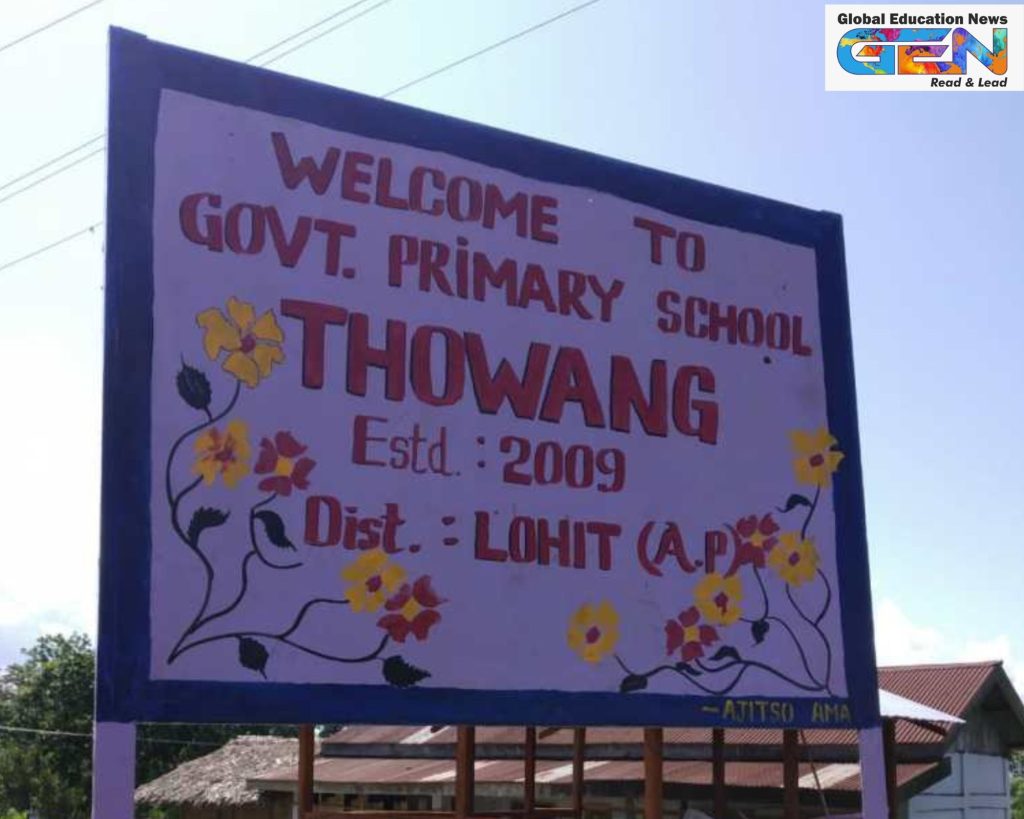
In a bold move to streamline its education system, the Arunachal Pradesh government has ordered the closure of 386 government schools that reported zero student enrolment in the 2025 academic year. This decision, announced on June 3, 2025, spans primary, upper primary, middle, and secondary schools across districts like Kurung Kumey, Tawang, Anjaw, Changlang, and Upper Subansiri. It’s not the first time the state has taken such a step—last year, 600 schools were shuttered for similar reasons. This sweeping reform aims to redirect resources to where they’re needed most, but what does it mean for the future of education in this rugged, remote state? Let’s unpack the story.
- Mass Closure: 386 government schools shut down due to zero student enrolment.
- Statewide Impact: Affects primary, upper primary, middle, and secondary schools across nearly every district.
- Second Wave: Follows the closure of 600 non-functional schools last year.
Why Close Schools? The Zero-Enrolment Crisis
- Empty Classrooms: Some schools had no students for multiple years.
- Resource Drain: Maintaining unused schools wastes funds and teaching staff.
- Rural Challenges: Remote locations and migration contribute to low attendance.
Imagine a school with no students—just empty desks, silent classrooms, and teachers with no one to teach. That’s the reality for 386 schools in Arunachal Pradesh, where zero enrolment has become a pressing issue. Many of these schools, especially in remote and border areas, have seen no students this year, and some haven’t for several academic sessions. Factors like migration to urban areas, preference for private schools, and challenging terrain have left these institutions deserted. Keeping them open drains precious resources—money, teachers, and infrastructure—that could be better used to strengthen active schools. The government’s decision is a wake-up call to address this inefficiency head-on.
A Strategic Move for Education Reform
- Resource Optimization: Reallocates teachers and funds to high-demand schools.
- NEP 2020 Alignment: Supports the National Education Policy’s focus on efficiency.
- Consolidation Plan: Merges small schools to create stronger educational hubs.
The closure of these schools isn’t just about cutting losses—it’s a strategic pivot toward a more efficient education system. By shutting down non-functional schools, Arunachal Pradesh aims to reallocate teachers and resources to schools with active student populations. This aligns with the National Education Policy (NEP) 2020, which emphasizes optimizing infrastructure to improve learning outcomes. The state is also exploring school consolidation, merging smaller institutions into larger, better-equipped hubs to provide quality education, especially in rural areas. It’s a pragmatic approach to ensure every rupee spent on education makes a real impact.
The Ripple Effect: Challenges and Opportunities
- Teacher Redeployment: Educators will be reassigned to active schools.
- Community Concerns: Rural areas worry about access to education.
- Future Focus: Investments in digital and accessible learning solutions.
While the closure makes fiscal sense, it’s not without challenges. In remote districts like Kurung Kumey and Upper Subansiri, families may face longer commutes to the nearest functional school, raising concerns about accessibility. However, the government is countering this by redeploying teachers to schools with students, ensuring no loss of teaching jobs. There’s also talk of investing in digital classrooms and transportation solutions to bridge the gap in rural areas. This move opens doors to modernize education, making it more inclusive and sustainable for Arunachal’s diverse communities.
Voices from the Ground: What Stakeholders Say
- Official Stance: “A necessary step to strengthen our education system.” – State Education Department.
- Local Worries: Parents in border areas fear reduced access to schools.
- Expert Support: Educators see it as a chance to focus on quality over quantity.
The decision has sparked mixed reactions. The Arunachal Pradesh Education Department calls it a “necessary step” to optimize resources and align with modern educational goals. On X, posts reflect this sentiment, with some praising the move as a bold education reform under NEP 2020. But in rural pockets, parents are concerned about how closures in areas like Tawang and Changlang might affect their children’s access to education. Education experts, however, see this as an opportunity to prioritize quality, urging the government to invest in better facilities and teacher training to make the most of this shake-up.
What’s Next for Arunachal’s Education Landscape?
- Infrastructure Boost: Funds redirected to upgrade active schools.
- Digital Push: Potential for e-learning to reach remote students.
- Monitoring System: Ensuring no child is left behind post-closures.
Looking ahead, Arunachal Pradesh is at a crossroads. The closure of 386 schools is just the beginning of a broader effort to revamp education. The government plans to channel saved resources into upgrading infrastructure, like better classrooms and labs in functioning schools. There’s also buzz about e-learning initiatives to reach students in far-flung areas, especially in border districts. To address concerns, a robust monitoring system will track student access and ensure no child is left without education. This could be a defining moment for Arunachal to build a stronger, smarter education system.
Advice for Communities and Policymakers
- Engage Locals: Involve village chiefs and parents in planning school mergers.
- Invest in Access: Provide transport or hostels for students in remote areas.
- Leverage Technology: Roll out digital classrooms to bridge the gap.
For communities feeling the pinch, open dialogue with local leaders, like gaonburahs (village headmen), can help address concerns about access. Policymakers should prioritize transportation solutions, such as buses or hostels, to ensure kids in places like Anjaw or Longding aren’t left out. Embracing digital learning could be a game-changer, bringing quality education to even the most isolated corners. By working together, Arunachal can turn this challenge into an opportunity to shine.