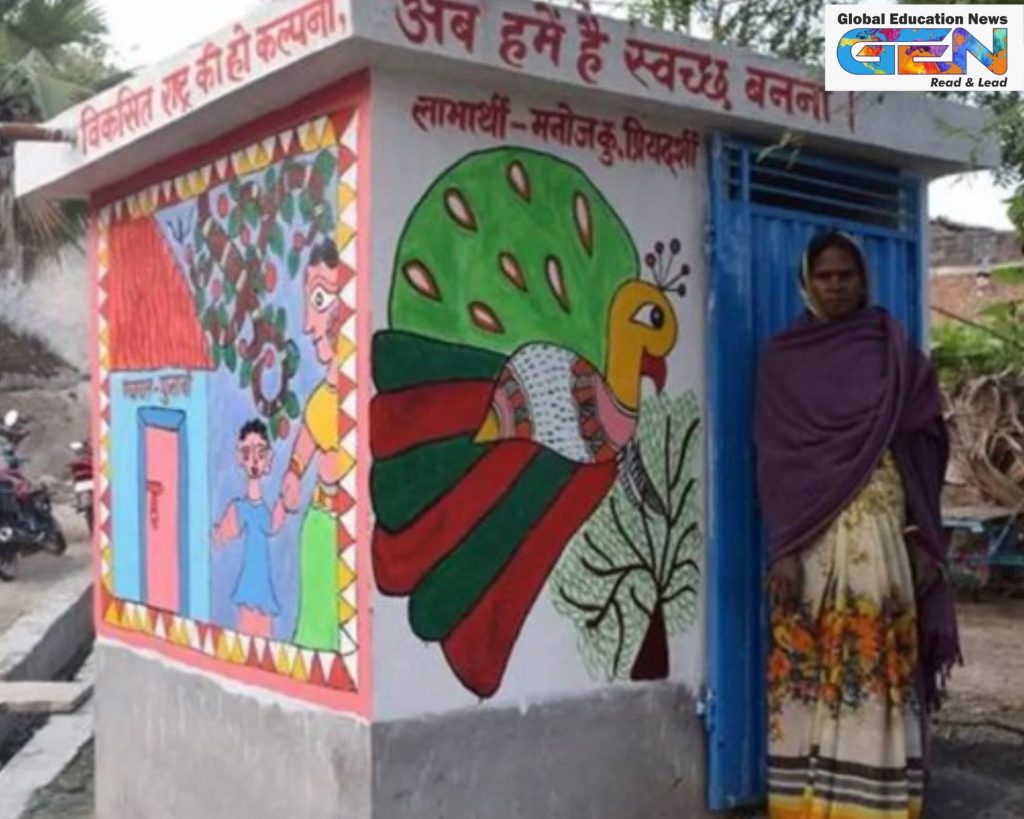
On May 29, 2025, Union Minister of Jal Shakti, Shri C R Patil, launched the Swachh Survekshan Grameen (SSG) 2025 in New Delhi, marking a significant milestone in India’s journey toward a Swachh Bharat. This ambitious nationwide survey, spearheaded by the Department of Drinking Water and Sanitation (DDWS) under the Ministry of Jal Shakti, aims to evaluate and rank rural sanitation across 21,000 villages in 761 districts spanning 34 States and Union Territories. As a cornerstone of the Swachh Bharat Mission-Gramin (SBM-G) Phase II, SSG 2025 is set to reinforce the ODF Plus Model and drive sustainable sanitation practices. Ready to explore how this initiative is transforming rural India? Let’s dive in
Key Points:
- Launched by Union Minister C R Patil on May 29, 2025, in Delhi.
- Covers 21,000 villages to assess rural sanitation progress.
- Aligns with SBM-G Phase II to sustain ODF Plus outcomes.
Why SSG 2025 Matters: Objectives That Drive Change
The Swachh Survekshan Grameen 2025 is not just a survey—it’s a movement to ensure Sampoorn Swachhata (complete cleanliness) in rural India. Union Minister Patil emphasized that “Swachhata is not a one-time goal but a continuous journey,” urging states to share innovations and sustain efforts toward a Viksit Bharat (developed India). Here’s what SSG 2025 aims to achieve:
- National Ranking: Rank states, districts, and villages based on sanitation performance.
- Sustain ODF Plus: Validate and strengthen the Open Defecation Free (ODF) Plus Model.
- Encourage Improvement: Foster healthy competition to drive continuous sanitation progress.
- Citizen-Led Movement: Promote Jan Bhagidari (people’s participation) for a cleaner India.
Key Points:
- Ranks rural areas on sanitation to inspire excellence.
- Focuses on sustaining ODF Plus achievements.
- Drives community-led sanitation through competition and engagement.
How It Works: A Robust Methodology for SSG 2025
The SSG 2025 methodology is designed to be thorough, transparent, and technology-driven. Conducted by an independent agency, the survey ensures credibility through a structured framework aligned with SBM-G Phase II guidelines. Here’s how it unfolds:
- Sampled Village Assessment: Evaluates sanitation in 21,000 villages across India.
- Household and Public Place Surveys: Gathers data on cleanliness in homes and public spaces.
- Key Performance Indicators (KPIs): Measures progress in waste management, toilet functionality, and more.
- Technology Integration: Uses a dedicated mobile app and geo-fencing for accurate data collection.
Key Points:
- Independent agency ensures unbiased assessments.
- Surveys cover households, public places, and infrastructure.
- Geo-fencing technology enhances data accuracy and transparency.
Key Components: What’s Being Measured?
The SSG 2025 assessment focuses on four critical components to gauge rural sanitation comprehensively:
- Service-Level Progress (SLP): Analyzes district self-assessment reports and desktop validation of ODF Plus Model villages.
- Direct Observation: Field inspections of sanitation status in households and public places like schools and markets.
- Infrastructure Functionality: Evaluates Plastic Waste Management Units (PWMU), Faecal Sludge Management (FSM) plants, and GOBARdhan plants for effective waste management.
- Citizen Feedback: Collects input via a mobile app and direct interactions to reflect community perspectives.
Key Points:
- SLP validates district-level sanitation progress.
- Field observations ensure real-world insights.
- Citizen feedback via mobile app empowers communities.
The Power of People: Citizen Engagement at the Core
Citizen participation is the heartbeat of SSG 2025, making it a true Jan Andolan (people’s movement). The survey encourages rural communities to take ownership of sanitation initiatives through:
- Mobile App Feedback: A dedicated app allows citizens to share real-time feedback on local sanitation.
- Community Involvement: Engages Panchayats, local leaders, and residents to drive grassroots change.
- Awareness Campaigns: Promotes cleanliness through initiatives like Swachhata Green Leaf Rating and Swachhata Hi Seva.
Union Minister Patil highlighted that “sustained, people-led efforts powered by true Jan Bhagidari” are key to achieving a Swachh Bharat.
Key Points:
- Mobile app makes feedback accessible and inclusive.
- Community-driven efforts ensure relevant sanitation solutions.
- Aligns with campaigns to boost public