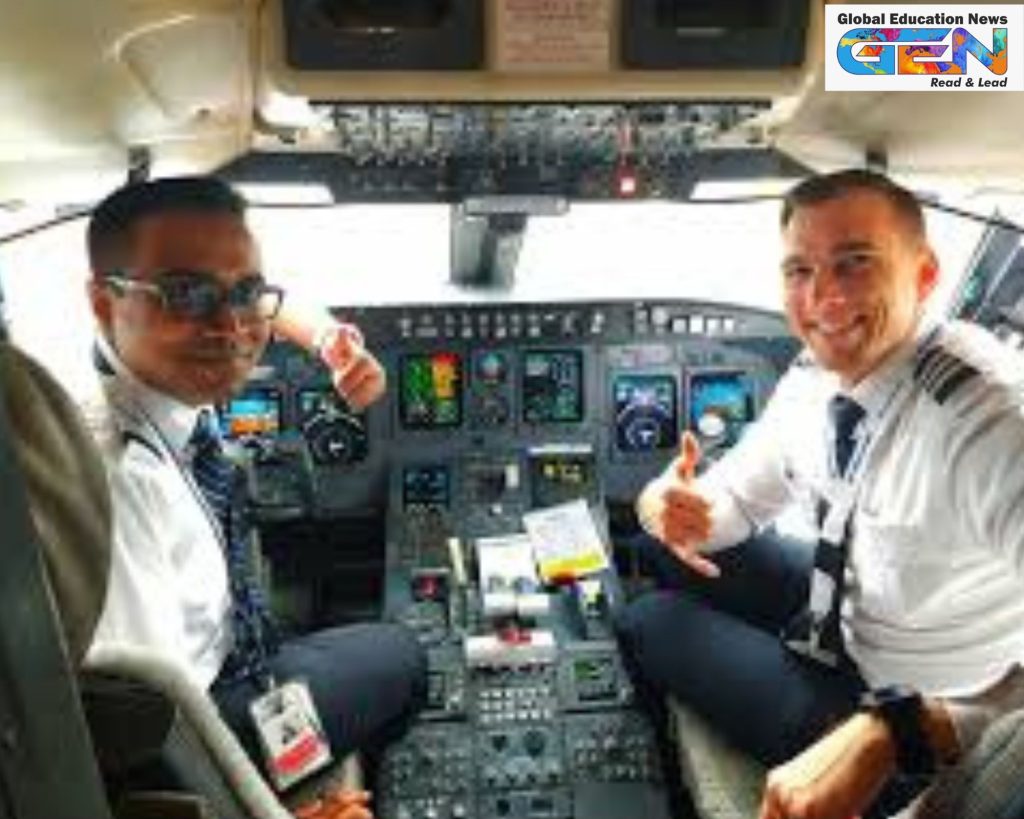
In a groundbreaking move set to reshape the aviation industry, India’s aviation regulator has proposed a major reform that could open the skies to a new wave of aspiring pilots. For nearly three decades, only students with a science background, specifically those who studied physics and mathematics in Class 12, were eligible to pursue a Commercial Pilot License (CPL) in India. However, this long-standing rule may soon be a thing of the past, as the Directorate General of Civil Aviation (DGCA) has recommended allowing Class 12 pass-outs from arts and commerce streams to train as commercial pilots. This transformative proposal, now awaiting approval from the Ministry of Civil Aviation and the Law Ministry, promises to democratize access to one of the most coveted careers in aviation.
🌟 Why This Change is a Big Deal
Key Points:
- Opens pilot training to a wider, diverse talent pool.
- Addresses India’s growing demand for skilled pilots.
- Eliminates the need for arts/commerce students to take extra science exams.
The aviation sector in India is flying high, with airlines expanding faster than ever. Yet, the old rule requiring physics and math at the Class 12 level has grounded countless dreams. Why should a literature buff or a business whiz be barred from the cockpit? The DGCA’s proposal shatters this barrier, aligning India with countries where no such academic restrictions exist. A senior pilot summed it up: “The skills needed to fly are taught in training, not high school.” This reform isn’t just about access—it’s about tapping into passion and potential from all corners.
🛫 Challenges on the Runway
Key Points:
- Pilot training is rigorous, costly, and time-intensive.
- Many Indian flying schools face scrutiny over quality and safety.
- DGCA introducing transparency measures for Flying Training Organizations (FTOs).
Becoming a commercial pilot isn’t a walk in the clouds. Aspiring aviators must log 200 hours of flying, ace tough DGCA exams, and pass stringent medical tests. The price tag? Hefty, often requiring loans that test the resolve of middle-class families. Plus, some Indian flying schools lag behind international standards, pushing students to train abroad. The DGCA is tackling this by mandating FTOs to publish details like training duration, aircraft availability, and instructor credentials online, empowering students to choose wisely.
🔧 Paving the Way for Smooth Skies
Key Points:
- Ministry exploring rankings for flying schools based on safety and efficiency.
- Efforts underway to fix delays in exams, certifications, and aircraft approvals.
- Reform could boost India’s pilot supply to meet aviation growth.
The aviation ministry isn’t stopping at eligibility reform. Plans are in motion to rank flying schools, streamline exam processes, and speed up regulatory approvals for training aircraft. These steps aim to make India’s pilot training ecosystem more robust and student-friendly. With air travel demand soaring, these changes could ensure a steady stream of skilled pilots, ready to steer India’s aviation growth.
✈️ A New Dawn for Dreamers
Key Points:
- Arts and commerce students can now envision a career in the cockpit.
- Reform reflects India’s evolving aviation needs.
- Opportunity comes with responsibility to plan financially and mentally.
Picture a commerce student trading spreadsheets for flight plans or an arts graduate navigating the skies instead of a canvas. This reform opens doors for dreamers from all backgrounds, but it’s not without challenges. Pilot training demands grit, patience, and a hefty investment. As one veteran pilot advised, “It’s a rewarding career, but weigh the costs and delays carefully.” With the DGCA’s bold vision, the skies are no longer reserved for science nerds—they’re open to anyone with the courage to soar.