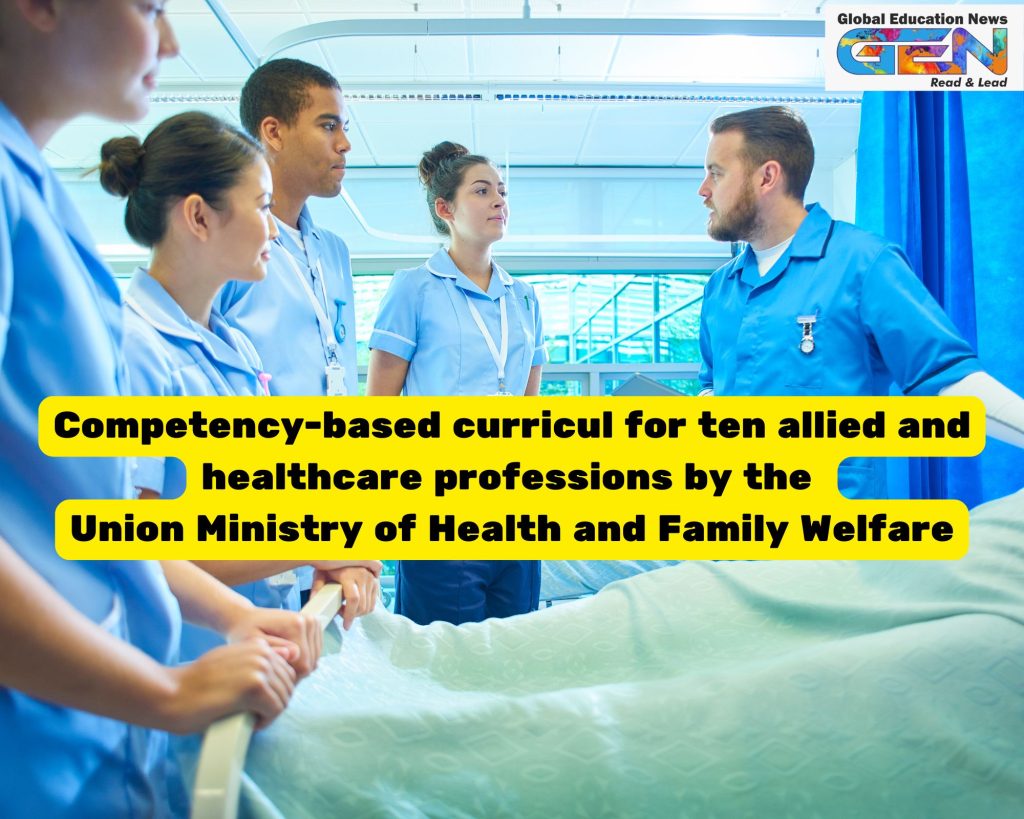
Picture a future where every healthcare professional in India—be it a physiotherapist, lab technician, or nurse—steps into a hospital ready to shine, armed with practical skills and real-world know-how. That’s the bold vision behind the competency-based curriculum (CBC), a game-changing approach to health education. Recently, the Union Ministry of Health and Family Welfare, in collaboration with the National Commission for Allied and Healthcare Professions (NCAHP), launched CBC for ten allied and healthcare professions, marking a historic step toward overhauling India’s fragmented and often unregulated allied health education system. Experts from medical, academic, and healthcare industries are cheering this reform for its promise to standardize training and boost patient care. But they’re also sounding the alarm: turning this dream into reality is like assembling a massive puzzle with missing pieces. Let’s dive into why CBC is a revolutionary idea, the challenges it faces, and how it could shape India’s healthcare future.
What’s a Competency-Based Curriculum?
Say goodbye to endless lectures and hello to doing. A competency-based curriculum trains students to master specific, measurable skills—like conducting a precise diagnostic test, rehabilitating a patient, or managing a medical emergency. It’s less about memorizing textbooks and more about being job-ready from day one. For India’s allied health professions, this means creating professionals who can hit the ground running in hospitals, clinics, and labs.
Here’s what makes CBC so exciting:
- Skills First: Focus on practical abilities, from operating medical equipment to communicating with patients.
- Learn at Your Pace: Move forward once you’ve nailed a skill, not when the semester ends.
- Real-World Training: Practice in simulated labs or actual healthcare settings, not just classrooms.
- Ongoing Feedback: Regular practical tests and mentorship replace one-shot exams.
It’s like learning to cook by making a meal, not just reading a recipe. Pretty awesome, right?
A Landmark Reform for India’s Allied Health Education
The Union Ministry of Health and Family Welfare, partnering with the NCAHP, has introduced CBC for ten allied and healthcare professions, a move hailed as a landmark in reforming India’s allied health education. This system, often criticized for being fragmented and unregulated, is now poised for a major upgrade. The new curricula aim to standardize training across professions like physiotherapy, medical laboratory technology, and radiology, ensuring consistent quality and global competitiveness. Medical experts, academics, and industry leaders are buzzing with excitement, praising the reform for its potential to:
- Elevate patient care by producing skilled, confident professionals.
- Align India’s healthcare training with international standards.
- Address the shortage of qualified allied health workers in rural and urban areas.
Big Win: This reform could transform India’s healthcare workforce, making it more skilled, standardized, and ready to tackle modern challenges.
Why CBC is a Game Changer
So, why is competency-based education causing such a stir? Because it’s built to create healthcare professionals who are ready—not just for exams, but for real life. Here’s why it’s a total game changer:
- Hands-On Mastery: From performing an ultrasound to guiding a patient through rehab, CBC ensures pros can do their jobs with precision.
- Better Patient Care: Skilled graduates mean fewer errors and happier, healthier patients.
- Customized Learning: Struggling? Get extra help. Nailed it? Move faster. It’s learning that fits you.
- Global Appeal: CBC aligns with international benchmarks, so India’s healthcare workers can shine worldwide.
- Beyond Technical Skills: It builds empathy, teamwork, and communication—because great care starts with connection.
Fun Fact: CBC grads are like healthcare superheroes—equipped with practical powers to save the day!
The Tough Road Ahead: Implementation Challenges
Hold up—CBC sounds incredible, but making it work is no small feat. Experts warn that implementing these curricula across India’s diverse healthcare education system comes with some serious hurdles:
- Cash Crunch: High-tech labs, simulation tools, and virtual reality setups cost a fortune, and not every institute has deep pockets.
- Teacher Troubles: Faculty used to old-school teaching need major retraining to guide hands-on learning and assess skills.
- Consistency Conundrum: Ensuring every college measures “competency” the same way is like herding cats—tricky and messy.
- Pushback City: Students, teachers, and even administrators might cling to traditional methods, resisting the shift.
- Time Sink: Rewriting courses, setting up new systems, and training everyone takes years.
- Student Stress: Constant practice and evaluations can feel like running a never-ending marathon.
It’s like trying to renovate a hospital while it’s still treating patients—possible, but it demands serious grit.
Strategies to Make CBC a Success
Don’t lose hope! India’s medical institutes can overcome these challenges with some clever strategies to bring competency-based learning to life:
- Gear Up: Invest in state-of-the-art labs and tech to create realistic training spaces.
- Train the Pros: Roll out workshops to turn faculty into CBC champions who can teach and assess skills.
- Teamwork Makes the Dream Work: Partner with hospitals, NCAHP, and global experts to set clear, universal standards.
- Test the Waters: Launch CBC in a few programs (like physiotherapy or lab tech) to iron out kinks before going big.
- Tech It Out: Use e-learning apps, virtual simulations, and data trackers to make learning engaging and efficient.
- Support Squad: Offer counseling and flexible schedules to keep students motivated and stress-free.
- Shout It Loud: Show students, parents, and employers why CBC is a game-changer to build excitement and buy-in.
Learning from the World
Other countries are already rocking competency-based curricula, and India can borrow some of their tricks:
- Canada: Their CanMEDS model trains doctors and allied pros to excel in skills, communication, and leadership.
- Netherlands: Dutch schools get students into clinics early, building confidence through real-world practice.
- Australia: Aussies use practical training and constant feedback to produce top-notch healthcare workers.
These global success stories show that with a solid plan, India’s CBC reform can soar.
Why This Matters for India’s Future
India’s healthcare system is at a crossroads—facing pandemics, a growing population, and a dire need for skilled professionals, especially in rural areas. The NCAHP-backed CBC reform is a golden opportunity to build a workforce that’s not just qualified but exceptional. It’s about creating allied health professionals who can deliver world-class care, whether in a bustling city hospital or a remote village clinic. Plus, it’s a chance to put India on the global healthcare map, with graduates who can compete anywhere.
But this isn’t just about better training—it’s about saving lives, strengthening communities, and building a healthier nation. To make it happen, institutes, governments, and healthcare providers need to roll up their sleeves and work together.