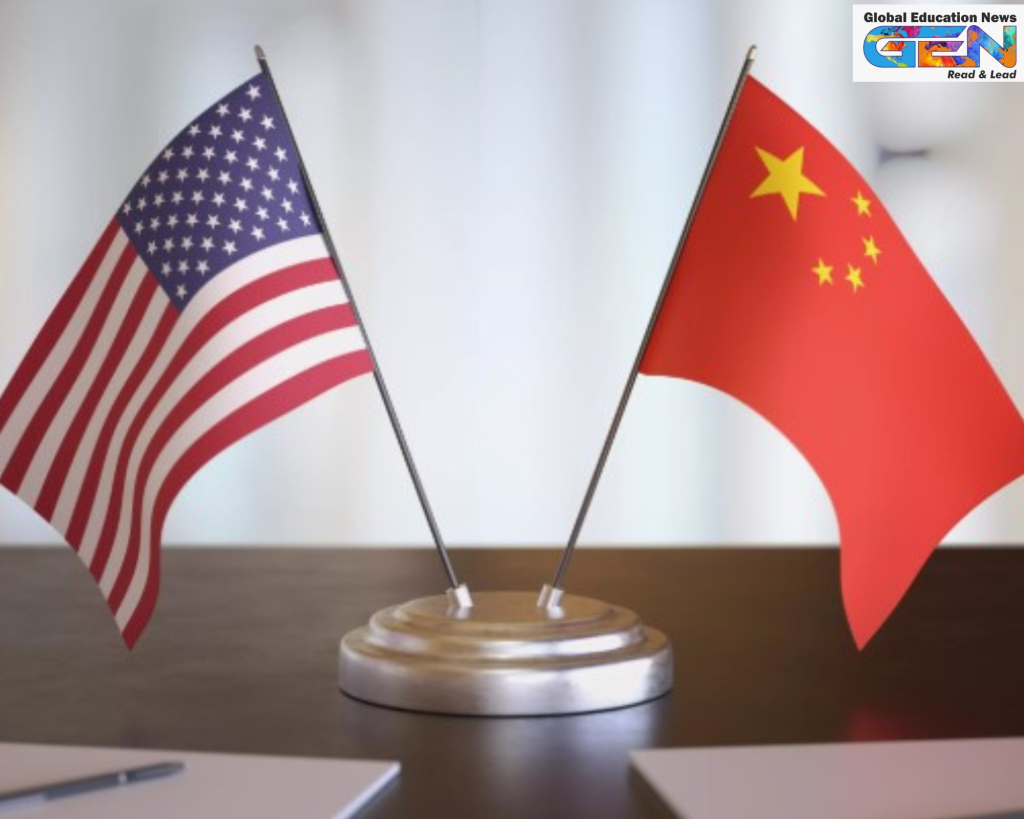
China ramps up export restrictions on critical minerals and dual-use products in response to U.S. regulations, escalating trade tensions and impacting global supply chains.
Beijing, December 2024 – China has recently ramped up its export restrictions to the United States, in response to new U.S. regulations targeting the Chinese chip industry. These actions are part of a broader trend of escalating trade tensions between the two global powers. Both nations are taking measures to protect their economic and technological interests, which is shaping the course of current affairs.
Key Points:
- Recent Export Bans:
On December 3, 2024, China introduced a ban on the export of key minerals to the U.S., including gallium, germanium, and antimony. These minerals are essential for military and technological applications, particularly in semiconductor production and advanced electronics. This move is designed to safeguard China’s national interests and control access to critical resources. - New Regulations on Dual-Use Products:
Starting on December 1, 2024, China enforced new regulations requiring exporters to disclose the end-users of certain dual-use products. These products, which have both civilian and military applications, will now face stricter oversight. This measure is particularly aimed at controlling the flow of materials that could support U.S. military efforts, impacting global supply chains in technology and defense sectors. - Building on Previous Restrictions:
The December 2024 restrictions come after China’s earlier actions, which included bans on gallium and germanium, crucial materials for chip manufacturing. In December 2023, China also prohibited the export of technology used to produce rare earth magnets. These ongoing measures reflect China’s national security concerns regarding its technology sector and its competition with the U.S. - Retaliation Against U.S. Companies:
China has also taken steps to limit the activities of U.S. companies operating in the country. In May 2023, it blocked government purchases from Micron Technology, a U.S. chipmaker, after Micron failed a security review. There are indications that Intel could face similar scrutiny due to its operations in China. Additionally, Beijing has increased inspections of U.S. firms and slowed customs clearance, further escalating trade tensions. In September 2023, China launched an investigation into PVH Corp for allegedly not using Xinjiang cotton, a move that added fuel to the growing trade conflict.
Conclusion:
China’s recent export restrictions mark a significant development in the ongoing trade and technology rivalry with the United States. The latest bans on critical minerals and dual-use products reflect China’s efforts to protect its national security and maintain control over strategic industries like semiconductors. The tightening of regulations and increasing scrutiny of U.S. companies signal that trade tensions between the two nations are set to continue, influencing global markets and supply chains. This issue is a key topic in current affairs, with far-reaching implications for both countries and the world.