State urges Centre to overhaul exam governance amid recurring concerns over NEET and other national entrance tests
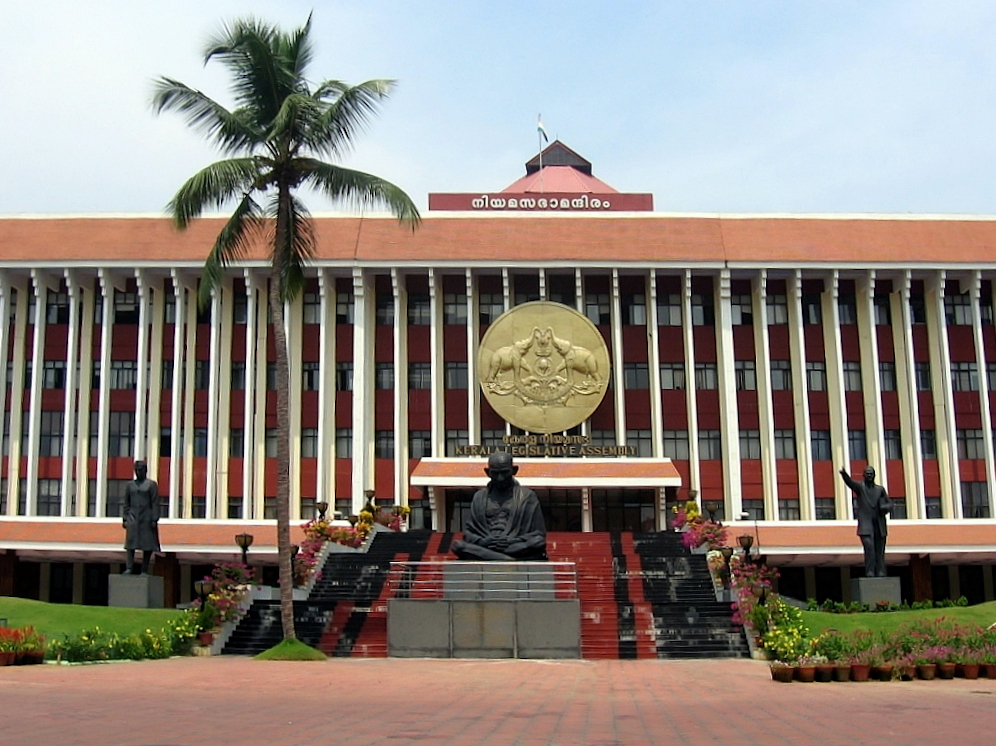
In a significant move that could influence the future of India’s examination ecosystem, the Kerala Legislative Assembly has adopted a resolution urging the Union Government to undertake a comprehensive reform of the national entrance examination system. The resolution comes amid growing concerns over the credibility of national-level competitive examinations, particularly the National Eligibility cum Entrance Test (NEET), following repeated allegations of paper leaks, administrative lapses, and irregularities.
The Assembly emphasized that the integrity of entrance examinations is fundamental to ensuring equal opportunities for students and called for systemic changes to restore public confidence in the country’s examination framework.
Why the Resolution Was Introduced
The Kerala Assembly stated that repeated controversies surrounding national entrance examinations have raised serious questions about the efficiency and transparency of the current system.
According to the resolution, several examinations conducted at the national level have witnessed issues such as:
- Alleged paper leaks
- Examination malpractices
- Technical and administrative failures
- Delays and cancellations
- Legal disputes affecting admissions
- Growing mental stress among students
The Assembly observed that such incidents have eroded the confidence of students, parents, and educational institutions, making reforms an urgent necessity.
Key Highlights of the Resolution
1. Comprehensive Reform of the Examination System
The Assembly urged the Centre to redesign the national entrance examination framework by introducing stronger safeguards that ensure:
- Transparency in examination processes
- Fair evaluation mechanisms
- Administrative accountability
- Secure handling of examination materials
- Equal opportunities for all candidates
The objective is to create an examination system that students can trust without fear of irregularities.
2. Strengthening Examination Security
The resolution recommends adopting modern technologies and stricter protocols throughout the examination cycle, including:
- Secure question paper generation
- Enhanced digital security
- Stronger monitoring of examination centres
- Improved cybersecurity measures
- Transparent result processing
Such reforms are aimed at preventing future examination-related controversies.
3. Independent Oversight and Accountability
The Assembly also called for establishing an effective monitoring mechanism capable of independently supervising national entrance examinations.
This would help:
- Detect procedural lapses early
- Improve accountability of examination agencies
- Ensure prompt action against malpractice
- Increase public confidence in examination outcomes
4. Greater Consultation with States
Recognizing education as a subject under the Concurrent List of the Constitution, the Assembly stressed that state governments should have a greater voice in decisions affecting national entrance examinations.
It recommended stronger cooperation between the Centre and states while framing examination policies.
Concerns Over NEET and Other National Examinations
While the immediate trigger for the resolution was the ongoing debate surrounding NEET, lawmakers clarified that the concerns extend beyond a single examination.
The discussion highlighted recurring issues in several national-level examinations, including:
- NEET
- CUET
- UGC-NET
- Various national recruitment examinations
The Assembly argued that repeated disruptions indicate structural challenges within the examination ecosystem rather than isolated incidents.
Political Reactions in the Assembly
The resolution witnessed broad support for improving India’s examination system, although political differences emerged regarding criticism directed at the Union Government.
While members agreed that examination reforms were necessary, the BJP opposed portions of the resolution that attributed responsibility to the Centre for recent controversies. The party suggested amendments highlighting corrective measures already undertaken, but these proposals were not accepted.
The Assembly subsequently adopted the original resolution.
Why the Resolution Matters
Although the resolution is not legally binding, it carries considerable policy significance.
It reflects growing concerns among states over the governance of centralized examinations and may contribute to a broader national conversation on strengthening India’s assessment system.
Education experts believe that restoring trust requires reforms focused on:
- Transparency
- Technology-driven security
- Institutional accountability
- Efficient grievance redressal
- Fair and uniform examination standards
Impact on Students
Every year, millions of students compete in national entrance examinations to secure admission into medical colleges, universities, and other higher education institutions.
Repeated disruptions not only delay admissions but also create significant academic uncertainty and emotional stress for candidates who invest years preparing for these examinations.
Experts argue that a robust examination system should prioritize both academic integrity and student welfare, ensuring that deserving candidates are evaluated through a process that is secure, transparent, and free from malpractice.
The Larger Debate on Examination Reforms
The Kerala Assembly’s resolution has once again brought attention to the need for modernizing India’s examination architecture.
Several education policy experts have suggested long-term reforms such as:
- AI-enabled examination monitoring
- End-to-end encrypted digital workflows
- Independent audits of examination agencies
- Strong cybersecurity protocols
- Time-bound investigations into reported irregularities
- Standardized accountability mechanisms across national testing bodies
These measures are increasingly being viewed as essential for protecting the credibility of India’s highly competitive entrance examination system.
What Happens Next?
The Kerala Assembly’s resolution serves as a formal appeal to the Union Government to initiate comprehensive reforms in the national entrance examination framework.
While the Centre is not obligated to act on the resolution, it adds momentum to ongoing discussions surrounding the future of India’s examination governance. Any reforms that emerge could have a far-reaching impact on millions of students appearing for competitive examinations in the years ahead.
As the demand for a more secure, transparent, and student-centric examination system gains traction, the issue is expected to remain a key topic in India’s education policy discourse.
Key Takeaways
- Kerala Assembly has passed a resolution seeking comprehensive reforms to India’s national entrance examination system.
- The move follows recurring concerns over NEET and other national competitive examinations.
- The resolution demands stronger security, transparency, accountability, and independent oversight.
- It also calls for greater participation of state governments in examination-related policymaking.
- The development is expected to intensify the national debate on improving the credibility of competitive examinations.