In a major policy reform aimed at promoting equitable access to higher education, the Odisha government has announced a significant revision in reservation quotas for Scheduled Tribes (ST), Scheduled Castes (SC), and Other Backward Classes (OBC) in medical and technical institutions.
The decision marks a historic shift, particularly with the introduction of OBC reservation in professional courses, which was previously not implemented in the state’s medical and engineering education system.
Key Highlights of the New Reservation Policy
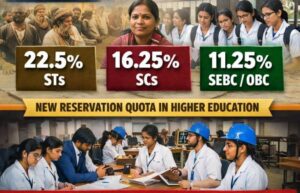
- ST Quota increased to 22.5%
- SC Quota increased to 16.25%
- OBC Reservation introduced at 11.25% in medical and technical education
- Applies to state-run medical colleges, engineering institutions, and technical universities
This revised structure significantly enhances representation for historically underrepresented communities.
Why This Policy Matters
The move is seen as a major step toward inclusive education and social equity.
Key Objectives:
- Bridge gaps in higher education access
- Improve representation in professional courses like MBBS and engineering
- Align state policies with national reservation frameworks
- Address long-standing demands from OBC communities
By expanding quotas, the government aims to ensure that opportunities in high-demand courses are distributed more fairly.
Introduction of OBC Reservation: A Historic Shift
One of the most notable aspects of the reform is the inclusion of OBC reservation in medical and technical education.
Previously:
- OBC students had limited access to reserved seats in professional courses
- Reservation benefits were largely restricted to other educational streams
Now:
- OBC students will receive dedicated reservation in competitive fields
- This is expected to increase participation in medical and engineering careers
Impact on Medical and Technical Admissions
The revised reservation structure will directly influence admissions in:
- Government medical colleges (MBBS, BDS courses)
- Engineering colleges and technical institutes
- State-level entrance-based admissions
Expected Outcomes:
✔ Increased diversity in professional education
✔ Better representation of marginalized communities
✔ Enhanced social mobility through high-value careers
Alignment with National Education Goals
This policy aligns with broader national efforts to:
- Promote social justice in education
- Expand access under affirmative action policies
- Strengthen inclusion in STEM and healthcare sectors
It also reflects a growing trend among states to revisit reservation frameworks in line with changing demographic and educational needs.
Challenges and Concerns
While widely welcomed, the policy may bring certain challenges:
- Seat redistribution concerns among general category students
- Need for infrastructure expansion to accommodate increased demand
- Ensuring transparent and fair implementation
Experts suggest that alongside reservation, there should be a focus on quality education and support systems to maximize outcomes.