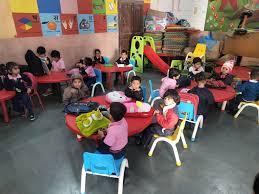
The Rajasthan Education Department has taken a decisive step to address declining enrolment in government schools by reducing the minimum admission age for Class 1 from 6 years to 5 years. Announced on March 31, 2026, this policy change applies for the academic session 2026-27 and aims to bring more young children, especially those from Anganwadi centres, into formal schooling without unnecessary delay.
Key Highlights of the New Policy
- New Minimum Age: Children who have completed 5 years are now eligible for admission to Class 1 in all government schools.
- Academic Session Start: The new session in government schools will begin from April 1, 2026, instead of the usual July start, to align with private schools and improve overall enrolment.
- Relaxation Period: The age relaxation is valid till July 31, 2026, for the current admission cycle.
- Target Focus: Special emphasis on admitting children aged 5–6 years transitioning from Anganwadi or pre-school centres.
This pragmatic move comes after the previous 6-year age rule led to a noticeable drop in admissions across the state’s vast network of over 73,000 government schools.
Reasons Behind the Age Reduction Decision
During the last academic session, fixing the minimum age at 6 years resulted in many five-year-old children (or those just above five but below six) being unable to secure Class 1 admission. This caused lower intake and affected enrolment numbers significantly.
The department’s primary goal is to reverse this trend and ensure maximum utilisation of government school infrastructure. By lowering the entry age, officials expect a healthy rise in Class 1 strength, which will also help sustain teacher positions and better resource allocation.
Additionally, the early start of the academic session from April 1 is expected to prevent parents from shifting children to private schools due to timeline mismatches.
Massive Door-to-Door Enrolment Campaign Launched
To implement the new policy effectively, the Rajasthan Education Department has rolled out an extensive Praveshotsav 2026 outreach programme:
- Over 14,000 officers and 4 lakh teachers have been deployed across the state for door-to-door surveys.
- Teams include Anganwadi workers, school staff, and local personnel.
- Data from the Poshan Tracker of the ICDS department is being used to accurately identify and map eligible children aged 3 to 18 years.
- Special focus is on counselling families and ensuring smooth admission of 5–6-year-olds into Class 1.
A senior education department official stated, “This extensive public outreach is being done to guarantee that no child is deprived of education and that the message of education reaches every family.”
How the Policy Aligns (or Differs) with NEP 2020
While the National Education Policy (NEP) 2020 emphasises a minimum age of 6+ years for Class 1 and recommends three years of strong foundational learning through Bal Vatika/pre-school, Rajasthan has introduced this temporary relaxation specifically for 2026-27 to tackle immediate enrolment challenges.
Children below 6 years may still be guided towards Bal Vatika programmes where infrastructure exists, but the new rule prioritises access and inclusion for 5-year-olds in government schools. Workbooks for Classes 3–5 have also been redesigned to support the updated academic strategy.
Impact on Parents, Schools, and Students
- For Parents: Greater flexibility in admissions. Children turning 5 during the year can now join Class 1 easily without waiting an extra year or opting for private institutions.
- For Government Schools: Expected increase in enrolment, leading to better utilisation of existing infrastructure, mid-day meal schemes, and free education benefits under the Right to Education Act.
- For Children: Earlier entry into structured learning can strengthen foundational literacy and numeracy, provided quality teaching and resources are maintained.
Schools have been directed to facilitate admissions smoothly and support the ongoing outreach drive.