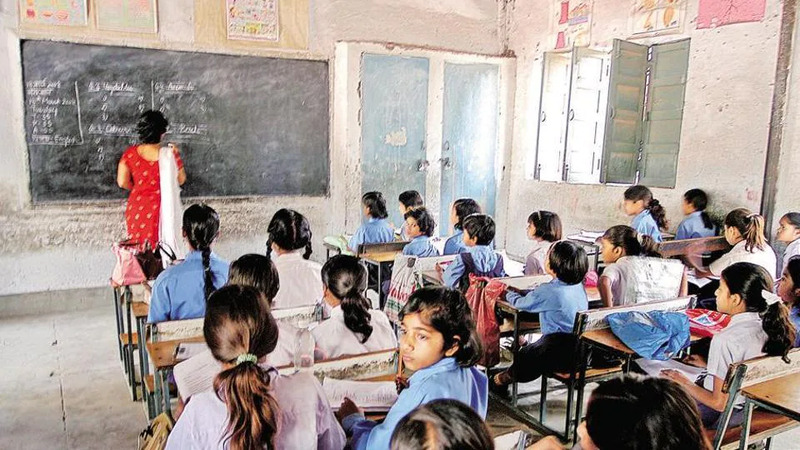
In a decisive move to protect the teaching workforce and address chronic shortages in classrooms, the Karnataka Legislative Assembly has passed the Karnataka State Civil Services (Regulation of Transfer of Teachers) (Amendment) Bill, 2026. The legislation explicitly prohibits the transfer of government teachers from teaching cadre to non-teaching roles in any government department or institution, aiming to ensure that qualified educators remain focused on classroom teaching, especially in critical positions.
Piloted by School Education and Literacy Minister S. Madhu Bangarappa, the Bill was passed on March 25, 2026. It seeks to streamline the teacher transfer process, prioritise filling of critical posts in schools and pre-university (PU) colleges, and reduce disruptions caused by frequent deputation of teachers to administrative or other non-academic duties.
Key Provisions of the Karnataka Teacher Transfer Amendment Bill 2026
- Explicit Ban on Cadre Change: Transfer from teaching cadre to non-teaching cadre is expressly prohibited.
- Priority to Critical Posts: Transfers must first fill identified critical positions before any other requests are considered.
- Critical Posts Defined:
- Principals and lecturers in government PU colleges.
- Headmasters (HMs) and vice-principals in high schools.
- Category 1: Other important posts in Karnataka Public Schools, Adarsha Vidyalayas, and PM SHRI schools.
- Transfer Process: Certain posts will be filled only through counselling.
- Eligibility Criteria: Minimum service period of 12 years for eligibility in specific transfers.
- Tenure Limit: Maximum tenure of three years in specified roles.
- Request Transfers: Allowed subject to availability of critical posts.
- Special Provisions for Kalyana Karnataka Region: Teachers seeking transfer outside the region must have completed a minimum of 10 years of service there.
- Women Teachers’ Benefits: Extended relaxations for pregnant teachers or those with children below five years of age.
The Bill also includes provisions for teachers posted in District Institutes of Education and Training (DIET) to return to regular teaching roles after their tenure.
Why This Bill Was Needed: Addressing Long-Standing Issues
Karnataka, like many states, has faced persistent challenges with teacher shortages in government schools and PU colleges. Frequent transfers of experienced teachers to non-teaching administrative posts in departments or other institutions have often left classrooms understaffed, affecting learning outcomes, especially in rural and backward regions.
By barring such diversions, the government aims to:
- Maintain focus on core teaching responsibilities.
- Ensure better staffing in high-priority institutions under schemes like PM SHRI and Karnataka Public Schools.
- Reduce arbitrary deputations that disrupt academic continuity.
The amendment comes alongside another Bill passed in the same session to protect government educational lands and prevent their misuse, showing a comprehensive approach to strengthening the public education ecosystem.
Impact on Teachers, Students, and Education Quality
This legislation is expected to bring greater stability and accountability to the teaching cadre. Teachers will have clearer career paths within education rather than being pulled into non-academic roles, potentially improving morale and retention.
Positive Outcomes Anticipated:
- Reduced vacancies in critical classroom and leadership positions.
- Better continuity for students, particularly in PU colleges where quality of lecturers directly impacts higher education readiness.
- More transparent and merit-based transfer system through counselling.
- Stronger implementation of national initiatives like NEP 2020 in Karnataka by keeping skilled educators in schools.
Potential Challenges:
- Effective implementation will require robust counselling mechanisms and monitoring to prevent workarounds.
- Addressing the overall teacher vacancy issue (reports indicate significant gaps despite recruitment drives).
- Balancing administrative needs of the education department without compromising classroom strength.
The Bill reflects the state’s commitment to prioritising school education amid national efforts to improve learning outcomes and achieve equitable access.
Implications for Karnataka’s Education Sector
For teachers: Greater job security within the teaching profession and reduced risk of unwanted non-teaching assignments.
For students: More consistent availability of qualified teachers and headmasters, especially in government and model schools.
For policymakers: A model that other states may emulate to prevent dilution of the teaching workforce. It aligns with broader goals of strengthening public education infrastructure and human resources.
With this amendment, Karnataka has taken a firm step toward ensuring that those trained and appointed as teachers remain dedicated to shaping young minds rather than being reassigned to desk jobs.