India has delivered its most impressive performance yet in the QS Subject Rankings 2026, emerging as one of the fastest-improving higher education systems worldwide. With 20 new institutions entering the rankings—taking the total to 99—and 120 fresh subject entries, the country now ranks fourth globally in new appearances, behind only the United States, China, and the United Kingdom. This expansion reflects not just quantity but quality: nearly half (265 out of 599) of Indian entries improved their positions, while only 80 declined—the highest improvement rate among major education powerhouses.
Engineering and technology continue to anchor India’s success, with a remarkable 65% growth in entries over the past five years. Breakthroughs in computer science, business management, and emerging fields like pharmacy and natural sciences further signal a maturing ecosystem capable of competing at the highest global levels.
Key Highlights of QS Subject Rankings 2026 for India
- Record institutional growth: 99 Indian universities ranked (up from 79), with 20 new entrants.
- Subject-level expansion: 599 total entries, including 120 new ones.
- Strong upward momentum: 265 improved ranks vs. 80 declines—outpacing peers like the UK, UAE, and Indonesia.
- Engineering dominance: 65% increase in engineering entries over five years; multiple top-50 and top-100 positions secured.
- Computer science leap: Six institutions now in global top 100 (up from two last year), with two entering the top 50 for the first time.
- Business & management surge: Seven institutions in global top 100 (up from four).
Performance Across Broad Subject Areas
India’s strengths remain concentrated in STEM and professional fields, while arts and humanities show room for growth. Here’s a breakdown:
- Engineering & Technology (18 entries): IIT Delhi leads at 36th globally. Strong gains in chemical, electrical, mechanical, and mining engineering.
- Natural Sciences (22 entries): IIT Bombay tops at 78th. Two new institutions entered the global top 100.
- Social Sciences & Management (17 entries): IIM Ahmedabad leads at 66th. Significant progress in business and marketing.
- Life Sciences & Medicine (8 entries): AIIMS Delhi leads at 217th. Four top-100 entries in Pharmacy & Pharmacology.
- Arts & Humanities (5 entries): University of Delhi leads at 231st. Most entries declined, highlighting a key area for future focus.
Leading Institutions and Standout Achievements
A cgroup of elite institutions is driving India’s global visibility, with several achieving historic firsts:
- IIT Bombay: Tops the list with 30 subject entries and 6 in the global top 50. Excels in Mineral & Mining Engineering (36th) and multiple engineering disciplines.
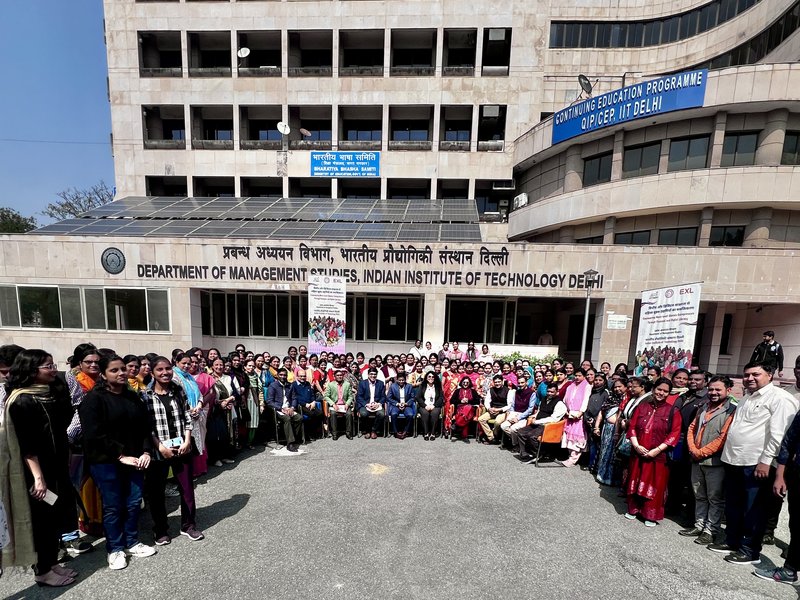
- IIT Delhi: Delivers India’s most balanced performance with 23 entries and 6 top-50 placements. Leads the broad Engineering & Technology category at 36th; strong in Electrical & Electronic Engineering (36th) and Computer Science (top 50).
- IIT Madras: 28 entries, 4 in top 50; shines in Petroleum Engineering (29th).
- IIT Kharagpur: 29 entries, 2 in top 50; strong in Mineral & Mining Engineering (22nd).
- IIM Ahmedabad: Historic debut at 21st globally in both Business & Management Studies and Marketing—the first time any Indian institution has ranked in Marketing.
- IIT-ISM Dhanbad: 21st worldwide in Mineral & Mining Engineering.
- IISc Bangalore: 19 entries; leads in research-intensive areas like Data Science & AI (51–100 band).
- Jawaharlal Nehru University (JNU): 23 entries; excels in Development Studies (26th).
Other notable performers include the University of Delhi (28 entries), VIT Vellore, and BITS Pilani, which continue to expand India’s footprint in pharmacy, computer science, and management.
Analysis: Drivers Behind India’s QS 2026 Success
The QS Subject Rankings 2026 underscore a deliberate shift toward research excellence, industry alignment, and global competitiveness. Key drivers include:
- Sustained government investment in IITs, IIMs, and IISc through initiatives like the National Education Policy.
- Rising research output and citations, particularly in engineering and computer science.
- Strong employer reputation scores, reflecting the global demand for Indian graduates in tech and management.
- Diversification beyond traditional strengths—evident in marketing and pharmacy breakthroughs.
However, the lag in Arts & Humanities points to a need for balanced growth. While STEM powers the surge, broader academic depth will be essential for India to claim a more comprehensive global leadership position.