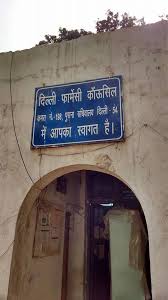
India’s higher education sector is facing a worrying phenomenon: a sharp increase in fraudulent institutions falsely claiming to be universities. According to the University Grants Commission (UGC), the number of fake universities identified nationwide has jumped significantly — from around 20 in 2023 to 32 in February 2026, marking a 60 % rise in three years.
These institutions are not recognized by law, lack proper accreditation under the UGC Act of 1956, and do not have the authority to award valid degrees — yet they continue to operate and attract students across several states.
What Defines a Fake University in India?
A “fake university” refers to any purported educational institution that:
- Is not established under a Central Act or State Act.
- Is not recognized by the UGC or approved statutory bodies.
- Claims to offer degrees without any legal authority.
UGC regulations (under Sections 2(f) and 3 of the UGC Act, 1956) clearly state only legally established universities can award degrees; anything outside this framework is invalid.
State-Wise Spread — Where Fake Universities Operate
The latest UGC data shows 32 identified fake institutions operating across 12 states and union territories, with the highest concentrations in:
- Delhi – 12 fake universities
- Uttar Pradesh – 4
- Andhra Pradesh, Karnataka, Kerala, Maharashtra, West Bengal, Puducherry – multiple each
- Arunachal Pradesh, Haryana, Jharkhand, Rajasthan – a few each
These bogus entities often use misleading names that mimic reputable institutions or include terms like “open”, “international”, or “university” to lure students.
Why the Rise? Root Causes Explained
📌 1. Lack of Awareness Among Students and Families
Many students — especially in rural or economically disadvantaged regions — are unaware of the legal requirements for university recognition. Fake universities exploit this gap by offering easy admission, low fees, or “fast track” degrees.
📌 2. Aggressive Marketing and Misleading Branding
These institutions often use professional websites, flashy brochures, and names resembling established universities (e.g., “United Nations University”, “Vocational University”, etc.) to appear legitimate.
📌 3. Insufficient Enforcement Power
Although the UGC publishes lists of fake institutions and warns students regularly, such entities keep emerging — suggesting enforcement and prosecution mechanisms may not be keeping pace with those exploiting regulatory loopholes.
Real Consequences for Students
🎓 Invalid Degrees
Degrees from fake universities have no legal or academic recognition — meaning they are invalid for:
- Government jobs
- Higher education admissions
- Professional licensing
- Validating qualifications with employers
This can derail careers and waste years of investment in time and money.
💼 Employment Risks
Students with bogus qualifications may find their applications rejected outright, or face legal complications if they present invalid degrees for public service, regulated professions, or international education.
UGC’s Strategy — Lists, Warnings, and Student Awareness
To counter the problem, the UGC periodically publishes official lists of fake universities and updates them before every admission season. Students and parents are advised to verify recognition status using the official UGC directory online.
Other steps recommended include:
- Checking whether a university is listed under Sections 2(f) or 3 of the UGC Act.
- Confirming professional approvals (e.g., from AICTE or NCTE if applicable).
- Avoiding institutions that promise fast or guaranteed degrees without examinations.