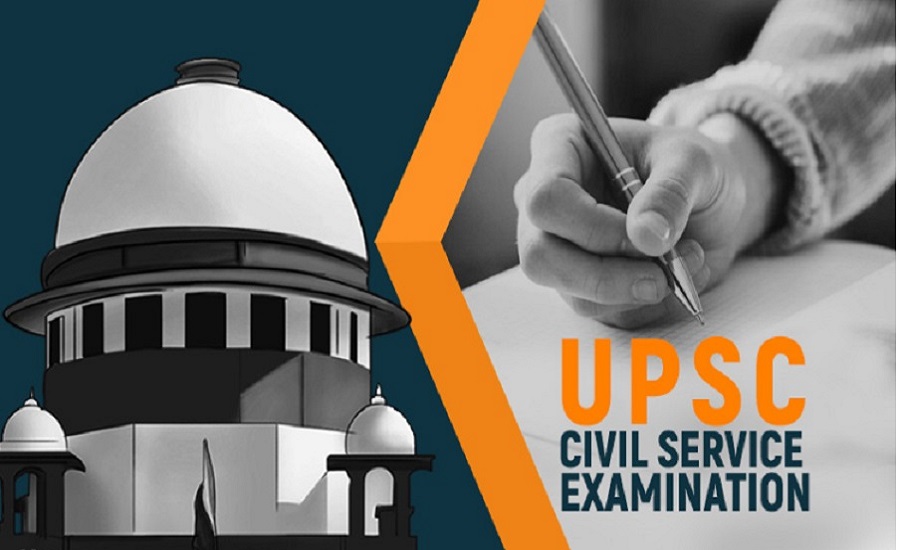
New Delhi, February 17, 2026 – In a significant move to improve exam accessibility, the Supreme Court of India has granted the Union Public Service Commission (UPSC) one week to file a compliance affidavit outlining its plan of action for the deployment and use of screen-reader software and related accessibility infrastructure for visually impaired candidates appearing in UPSC-conducted examinations. The matter is set to be heard again on February 23, 2026.
This development stems from a broader judicial push to ensure that public examinations are fully inclusive and in line with constitutional guarantees of equality, dignity, and non-discrimination.
1. Supreme Court’s Directions and Timeline
📅 Affidavit Deadline
The top court has allowed UPSC one week’s time to place a compliance affidavit on record that clearly spells out:
- Proposed plan of action for implementing screen-reader accessibility
- Timeline and operational modalities
- Testing, standardisation and validation procedures
- Feasibility of making the facility operational for eligible candidates from the next exam cycle
📍 Next Hearing
The case is scheduled for further arguments and review on February 23, 2026 before a bench headed by Justices Vikram Nath and Sandeep Mehta.
2. Background: Constitutional Accessibility for PwBD Candidates
This direction continues work that began with the Supreme Court’s December 3, 2025 order, which emphasised that rights afforded to persons with disabilities — including those who are visually impaired — are constitutional guarantees, not benevolent provisions.
The court had earlier ruled that:
- UPSC must include provisions in its exam notifications allowing eligible candidates to request a change of scribe up to at least seven days before the examination.
- Scribe change requests must be considered objectively and decided within three working days of receipt.
The Supreme Court also directed that UPSC, in consultation with the Department of Empowerment of Persons with Disabilities (DEPwD) and the National Institute for the Empowerment of Persons with Visual Disabilities (NIEPVD), prepare uniform guidelines and protocols to govern the use of screen-reader software and other assistive technologies across all affected exam centres.
3. Why This Matters for Visually Impaired Aspirants
📌 Removing Accessibility Barriers
Visually impaired candidates traditionally rely on scribes to read and write exam questions — a process that the court found insufficient without digital accessibility solutions. Introducing screen-reader technology means:
- Candidates can access digital question formats directly
- They gain greater autonomy and fairness in exams
- Long-standing accessibility gaps in competitive public service tests are addressed
📌 Tech Enablement in Public Exams
The mandate seeks to ensure that:
- Accessible digital question papers are made available
- Relevant assistive technologies are tested and standardised
- Infrastructure at exam centres supports visually impaired candidates effectively
This framework aims to level the playing field and align UPSC exam procedures with legal standards under the Rights of Persons with Disabilities Act, 2016 and constitutional principles.
4. Stakeholder Reactions & Advocacy Context
The direction follows a petition by Mission Accessibility, an organisation advocating for the rights of persons with disabilities. The plea challenged existing UPSC scribe policies and sought broader technological accommodations for visually impaired candidates in national exams.
Legal experts and disability rights advocates have welcomed the development, calling it a long-awaited step toward inclusive assessment models in India’s public examination system.