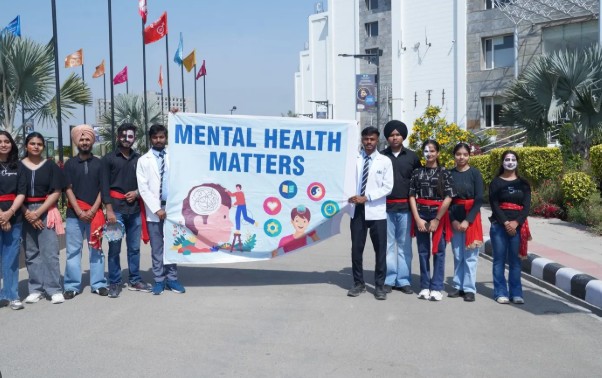
Medical education is widely recognised as one of the most demanding academic pathways, marked by intense competition, long study hours, emotional strain, and high expectations. In recent years, growing concerns over stress, anxiety, burnout, and student suicides have exposed deep gaps in institutional mental health support. Against this backdrop, Rajasthan’s decision to establish mental health cells and well-being centres across medical colleges marks a decisive shift in how student welfare is approached within India’s healthcare education system.
This initiative signals a move away from reactive responses toward a structured, preventive, and institution-led mental health framework.
What the Initiative Includes
The Rajasthan government’s plan introduces a multi-layered support system designed specifically for medical students, from first-year entrants to interns.
Key Components
- Mental Health Cells in Medical Colleges
Dedicated institutional units responsible for identifying psychological distress, offering early intervention, and coordinating professional care. - Well-Being Centres on Campus
Safe, accessible spaces where students can seek counselling, emotional support, stress-management guidance, and mental health assessments without stigma. - Designated Administrative Oversight
Appointment of senior academic or administrative officers to monitor student well-being, ensure accountability, and integrate mental health measures into college governance. - Structured Referral and Support Mechanisms
Clear pathways for students requiring advanced psychological or psychiatric care, ensuring continuity and confidentiality.
Why Medical Students Need Targeted Mental Health Support
Medical students face a unique combination of academic, emotional, and social pressures:
- High-stakes entrance exams such as NEET UG and competitive postgraduate pathways
- Long academic hours and emotionally taxing clinical exposure
- Fear of failure, perfectionism, and limited recovery time
- Cultural stigma around seeking mental health help
Without institutional support, these pressures often remain unaddressed until they escalate into serious mental health crises. Rajasthan’s approach acknowledges that mental well-being is foundational to academic performance, professional competence, and patient safety.
A Shift from Ad-Hoc Solutions to Systemic Reform
One of the most significant aspects of this move is its institutionalisation of mental health care. Rather than relying on temporary measures, helplines, or external referrals alone, the policy embeds mental health support directly into medical colleges.
Why This Matters
- Normalises conversations around mental health
- Encourages early reporting and intervention
- Reduces dependency on crisis-only responses
- Builds a culture of empathy and support within medical institutions
This structural approach reflects global best practices in medical education, where student well-being is treated as a core academic concern rather than an auxiliary service.
Implications for NEET Aspirants and Future Doctors
For students preparing for NEET UG 2026 and beyond, this initiative offers reassurance that mental health is being recognised as a priority from the very start of their medical journey. Over time, such measures are likely to:
- Improve academic outcomes and retention rates
- Reduce burnout and dropout incidents
- Produce emotionally resilient and professionally balanced doctors
- Strengthen the overall quality of healthcare delivery
A Model for Other States and Institutions
Rajasthan’s initiative has the potential to become a template for nationwide reform in medical education. As discussions around student mental health gain urgency, other states and regulatory bodies may look to replicate or expand similar frameworks across engineering, law, and other high-pressure academic disciplines.