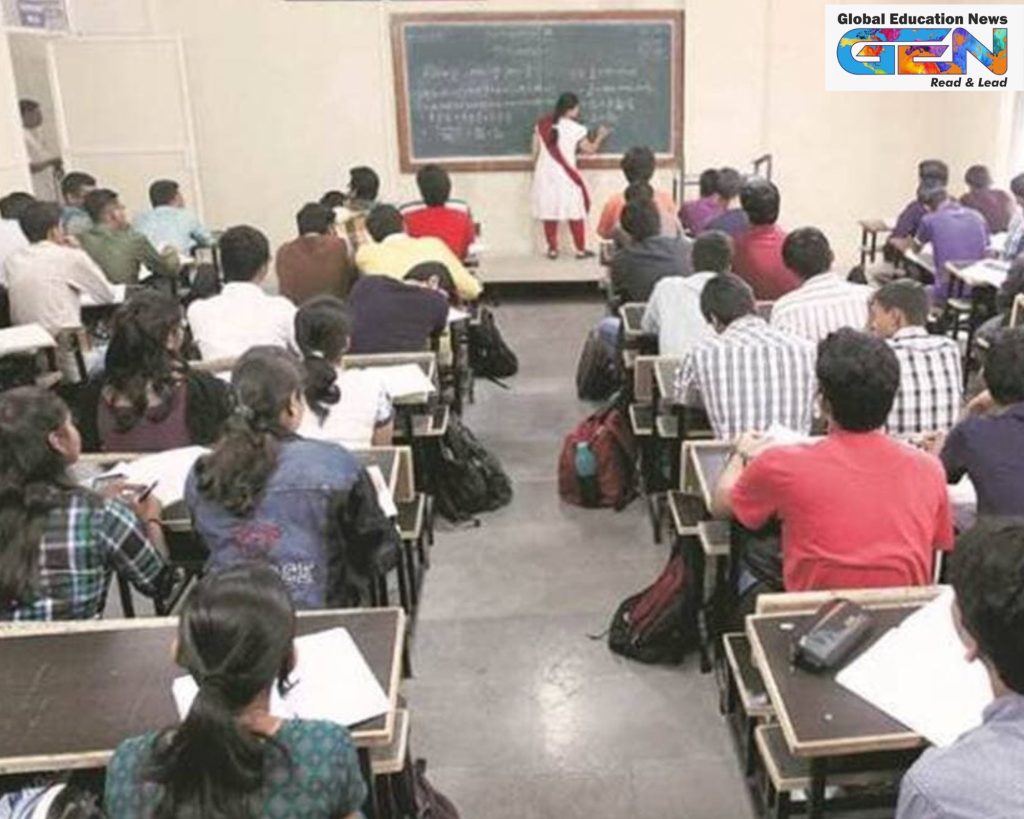
Imagine a country where nearly every child is in school, yet many can’t read a simple sentence or solve a basic math problem. That’s the puzzle India’s education system faces, and three major surveys—ASER, NAS, and FLS—are trying to piece it together. These education surveys shine a light on how students are learning, especially in rural areas, but they also leave some questions unanswered. Let’s break down what they reveal, why they matter, and where they miss the mark in a way that’s easy to grasp and hard to forget.
What Are These Surveys All About?
- ASER (Annual Status of Education Report): Since 2005, Pratham’s ASER has been knocking on doors in rural India, testing kids aged 5–16 on foundational literacy and numeracy. Covering 600 districts, it’s like a report card for rural education.
- NAS (National Achievement Survey): Run by NCERT (now PARAKH), NAS checks how students in Grades 3, 5, 8, and 10 perform in subjects like Language and Math. It’s school-based and focuses on government schools.
- FLS (Foundational Learning Study): A one-time 2022 NCERT project, FLS zoomed in on early-grade foundational literacy and numeracy to set benchmarks across India.
Each survey is like a different lens on India’s classrooms—one peeks into homes, another into schools, and the third into early learning. Together, they tell a story, but it’s not the whole picture.
Key Findings: The Good and the Tough
- ASER 2024: After the pandemic, things are looking up slightly—23.4% of Class 3 kids can now read a Class 2 text, up from 16.3% in 2022. But here’s the kicker: over 75% still struggle with basic reading, and only 25.9% of Class 5 students can handle division.
- NAS 2024: Shows gains in Language and Math, but private schools often outshine government ones, hinting at unequal opportunities.
- FLS 2022: Found that states like Kerala and Himachal Pradesh are acing early reading, while others are stuck in the slow lane.
These numbers scream one thing: enrollment is near 100%, but learning outcomes are lagging. It’s why programs like NIPUN Bharat are pushing for universal foundational literacy by 2027.
Why These Surveys Rock
- ASER’s Grit: By going door-to-door, it catches kids who aren’t in school and gives an unfiltered look at rural education. No government spin here.
- NAS’s Scope: It dives deep into multiple subjects and grades, making it a go-to for understanding school performance.
- FLS’s Focus: Early grades matter most, and FLS nails this, setting the stage for stronger learning foundations.
These strengths make the surveys vital for shaping education policy and boosting student assessment. They’re like a compass for navigating India’s education maze.
Where They Trip Up No survey is perfect, and these have their flaws:
- ASER: Testing kids at home can make them nervous, and it skips higher skills like critical thinking.
- NAS: School-based tests might get a boost from teacher coaching, and it ignores private schools, which are a big deal in India.
- FLS: It was a one-off, so we can’t see if things are getting better or worse.
- One-Size-Fits-All Problem: India’s education varies by state—think Tamil Nadu’s unique approach versus Kerala’s. National surveys struggle to capture this diversity.
These gaps are like blind spots in a rearview mirror—they limit how much we can trust the surveys to guide education policy.
The Bigger Picture: What’s Really Holding Us Back? The surveys don’t just spit out numbers; they point to deeper issues. Rote learning, undertrained teachers, and crumbling school facilities are dragging down learning outcomes. States like Kerala shine because they invest in teachers and early education, while others grapple with gaps between government and private schools. Tamil Nadu’s Illam Thedi Kalvi program, which brings learning to kids’ doorsteps, shows what’s possible, but scaling these efforts is the real challenge.
How Can We Do Better?
To fix this, India needs to rethink how it measures learning:
- Mix home and school testing for a fuller picture.
- Design state-specific tests that respect local languages and curricula.
- Keep surveys regular to track progress over time.
- Train teachers to blend testing with teaching for better results.
- Test real-world skills like problem-solving, not just ABCs and 123s.
These steps could make student assessment sharper and help schools deliver.
The Bottom Line ASER, NAS, and FLS are more than just data—they’re a wake-up call. They show India’s making strides in foundational literacy and numeracy but still has a long way to go. By fixing how we test kids and tackling big issues like teacher training, India can turn its education system into a powerhouse. Want to help? Stay curious about rural education and education policy, and let’s push for change together.