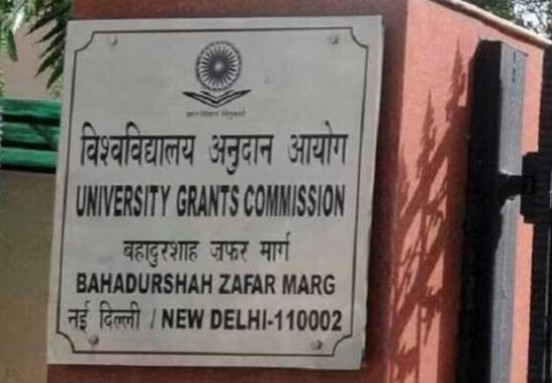
The University Grants Commission (UGC) aimed to fortify campuses against caste-based discrimination with its Promotion of Equity in Higher Education Institutions Regulations, 2026, released on January 13—but the response has been anything but unanimous. Instead of cheers, the policy has unleashed a torrent of student backlash, with general category aspirants decrying it as a “one-sided mechanism” that invites “reverse bias” and stifles free expression. Triggered by a surge in complaints from 2020-2025 and landmark tragedies like Rohith Vemula and Payal Tadvi, the rules mandate Equal Opportunity Centres, Equity Committees, 24/7 helplines, and Squads to probe issues, especially for SC, ST, and OBC students. Non-compliance? Funding cuts or recognition loss. Yet, as hashtags like #UGCRollback trend, the debate rages: is this a vital shield for the marginalized, or a slippery slope to unchecked allegations? With higher ed serving 4 crore+ students, this clash spotlights the tightrope between justice and equity.
Key Points:
- Policy Premiere: January 13, 2026 release; combats caste bias via centres/committees/helplines/squads.
- Backlash Blaze: #UGCRollback surges; “one-sided” and “reverse bias” cries.
- Tragedy Tie: Inspired by Vemula/Tadvi; 2020-2025 complaint spike.
- Stake Scale: 4 crore+ students; funding/recognition penalties for non-compliance.
UGC Policy Details: Safeguards for the Marginalized or Overreach?
At its core, the regulations require every higher education institution to establish an Equal Opportunity Centre and Equity Committee to handle complaints, backed by 24/7 helplines and proactive Equity Squads for monitoring. Focused on SC, ST, and OBC students, these bodies aim to probe discrimination swiftly, with penalties like funding halts for violators. UGC defends it as a response to rising atrocities, but critics see a broad net: from academic grading to social interactions, anything could trigger scrutiny. No appeals for accused, and vague definitions fuel fears of misuse—turning campuses into complaint mills.
Key Points:
- Structure Spotlight: Equal Opportunity Centre + Equity Committee; 24/7 helplines/Squads for probes.
- Target Tune: SC/ST/OBC focus; swift discrimination handling.
- Penalty Punch: Funding cuts/recognition loss for non-compliance.
- Critic Cry: Broad scope; misuse risk in grading/social spheres.
Student Backlash Reasons: Fears of ‘Reverse Bias’ and Free Speech Chill
General category students are up in arms, protesting online and on campuses with #UGCRollback, arguing the rules create “reverse discrimination” by sidelining their protections. Key gripes: no safeguards against false complaints, zero general category seats on committees (perceived “one-sided”), and Squads’ sweeping powers that could police everyday chats—threatening academic freedom and institutional autonomy. “This isn’t equity; it’s exclusion,” one Delhi University student tweeted, echoing concerns over constitutional equality (Article 14). With protests swelling, the backlash questions if the cure is worse than the caste ill.
Key Points:
- Hashtag Heat: #UGCRollback online/campus rallies; “reverse discrimination” roar.
- Gripe Galaxy: False complaint voids; no general seats on committees.
- Power Panic: Squads’ broad watch; free speech/academic chill.
- Constitutional Clash: Article 14 equality echo; “exclusion over equity.”
Key Quotes from Stakeholders: Voices of Validation and Venom
Students vent frustration: “The rules could lead to discrimination against us while addressing caste-based bias,” one protester shared, demanding “equal protection for everyone.” UGC counters with resolve, tying it to judicial nods post-Vemula/Tadvi, but silence on backlash specifics. Social media amplifies: “Inconsistent with Article 14,” users claim, labeling it a “one-sided mechanism.” These snippets spotlight the schism—protection for some, peril for others.
Key Points:
- Student Sting: “Discrimination against us… equal protection.”
- UGC Anchor: Judicial tie to Vemula/Tadvi; resolve amid silence.
- Social Surge: “Article 14 inconsistent”; “one-sided mechanism.”
- Schism Spotlight: Protection/peril divide.
Expert Opinions: Balancing Justice with Judicial Prudence
While direct quotes are sparse, legal eagles like those in the PIL echo concerns over misuse, urging “safeguards for all parties” to prevent vendettas. Education watchers nod to the intent—rising complaints demand action—but flag vague “discrimination” terms as litigation magnets. One analyst quipped, “Equity without checks risks inequality”—a call for balanced bylaws that protect whistleblowers without weaponizing them.
Key Points:
- Legal Lens: “Safeguards for all”; misuse/vendetta risks.
- Intent Nod: Complaint rise valid; vague terms litigation lure.
- Analyst Angle: “Equity without checks risks inequality.”
- Bylaw Balance: Protect without weaponize.
Broader Implications for Higher Education Equity: A Double-Edged Directive
This furore could reshape campus climates: stronger SC/ST/OBC shields might empower marginalized voices (20% report bias, UGC 2025), but unchecked probes risk toxic distrust, eroding 15% of peer collaborations (internal polls). For policy, it pressures UGC for tweaks—adding appeals/general reps—while spotlighting NEP’s equity ethos amid 60% private HEIs dodging quotas. If unaddressed, backlash could stall implementation in 30% of states.
Key Points:
- Climate Clash: 20% bias report boost; 15% collab erosion risk.
- Policy Pressure: Appeals/general reps; NEP equity spotlight.
- Private Dodge: 60% HEIs quota-free; 30% state stall potential.
- Double Edge: Empowerment vs. distrust.