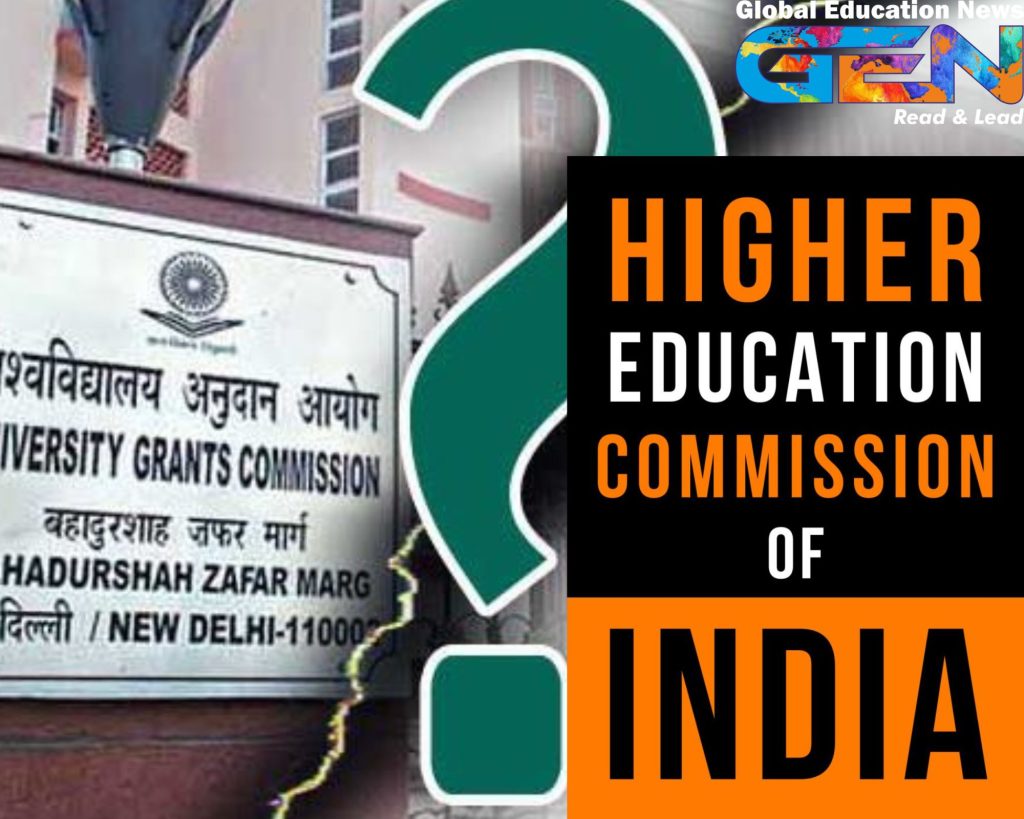
A Step Towards Unification or Centralization? The Impact of HECI on Rural Institutions and the Future of Education in India
India’s higher education sector is set to undergo a major transformation with the introduction of the Higher Education Commission of India (HECI). This ambitious initiative is designed to streamline and modernize the regulation of higher education in India by replacing existing bodies like the University Grants Commission (UGC) and the All India Council for Technical Education (AICTE). The move, proposed under the National Education Policy (NEP) 2020, aims to address long-standing inconsistencies and challenges in the regulatory framework. However, as with any major reform, it comes with its own set of challenges and concerns, especially for rural institutions and the future of public higher education in India.
Background and Objectives of HECI
The Higher Education Commission of India (HECI) was proposed as a comprehensive regulatory body for higher education under the National Education Policy 2020. The primary aim of the HECI is to unify the various regulatory functions that have historically been handled by multiple agencies such as the UGC, AICTE, and others. By doing so, HECI seeks to create a more coherent and effective regulatory environment that will benefit students, faculty, and institutions alike.
Key objectives of the HECI include:
- Improving academic standards: HECI will work towards setting higher benchmarks for academic performance across institutions.
- Enhancing accreditation processes: With a focus on quality, the accreditation process will be streamlined to ensure that institutions meet internationally recognized standards.
- Ensuring better monitoring: A stronger, more consistent monitoring system will help ensure that educational institutions adhere to regulations and provide quality education.
By consolidating regulatory bodies into one, the HECI aims to address regulatory fragmentation that often leads to confusion, inefficiencies, and inconsistent enforcement of standards.
Structure of the HECI
The proposed structure of HECI will consist of four verticals:
- Regulation – Overseeing compliance with laws and regulations.
- Accreditation – Ensuring that institutions meet quality standards through a streamlined accreditation process.
- Funding – Managing financial resources and distributing them equitably among institutions.
- Academic Standards – Setting and maintaining the academic performance standards for institutions across the country.
While the central government will oversee the functioning of the HECI, it is important to note that the proposed centralization of power has raised concerns. Critics argue that it might limit the autonomy of state governments and lead to an overly centralized control of higher education.
Concerns About Centralisation
The draft HECI Bill has been critiqued for maintaining a central government-heavy composition, leading to concerns about the potential undermining of state control over education. Critics argue that excessive centralization may hinder the ability of state universities to operate effectively and cater to the unique needs of their local populations. Many feel that the centralized approach could lead to uniform policies that do not account for regional diversity and local challenges.
In response to these concerns, a committee led by Rajya Sabha MP Digvijay Singh has proposed a simplified regulatory hierarchy to balance the interests of both central and state authorities. The committee emphasized the importance of sufficient state representation within the HECI, aiming to create a more decentralized approach that can effectively address the diverse educational needs across India’s states. The panel’s report highlighted that decentralization is essential for meeting the distinct challenges of various regions and ensuring equitable access to quality education across the country.
Implications for Rural Institutions
One of the key concerns about the introduction of HECI is its potential impact on rural educational institutions. These institutions, which often face financial and infrastructural challenges, might struggle under the new regulatory framework, which could lead to their closure or a shift towards privatization.
Some fears include:
- Risk of closure: Rural colleges and universities often operate with limited resources and may find it challenging to meet the high standards set by the HECI, potentially leading to closures.
- Increased privatization: In response to stringent regulations, there could be a rise in privately-run institutions, which may further marginalize underfunded public universities, especially in rural areas.
- Centralization of resources: With a focus on institutions that can meet specific standards, rural institutions might not have access to the same resources and support available to larger, urban institutions.
To address these concerns, the parliamentary panel has suggested that the regulatory framework should ensure adequate state representation. This would help balance the interests of rural and urban institutions, ensuring that reforms do not disproportionately affect institutions in less-developed areas.
The Path Ahead
The creation of the HECI represents a significant step toward reforming India’s higher education landscape. While the unification of regulatory bodies could lead to greater efficiency and improved standards, the concerns regarding rural institutions and the centralization of power are valid and should not be overlooked. A balanced approach is needed to ensure that the benefits of this reform are shared equitably across both rural and urban institutions.
Moving forward, the government will need to provide adequate support to ensure that rural institutions can comply with the new standards without facing financial or structural challenges. Additionally, the success of the HECI will depend on its ability to balance regulation with the autonomy of state governments, avoiding an over-centralized model that could stifle diversity in India’s higher education system.
In conclusion, the HECI initiative offers a promising vision for India’s higher education sector, but its implementation must be carefully crafted to ensure that it benefits all institutions, from large urban universities to small rural colleges. Only then can India build a truly inclusive, efficient, and high-quality higher education system.