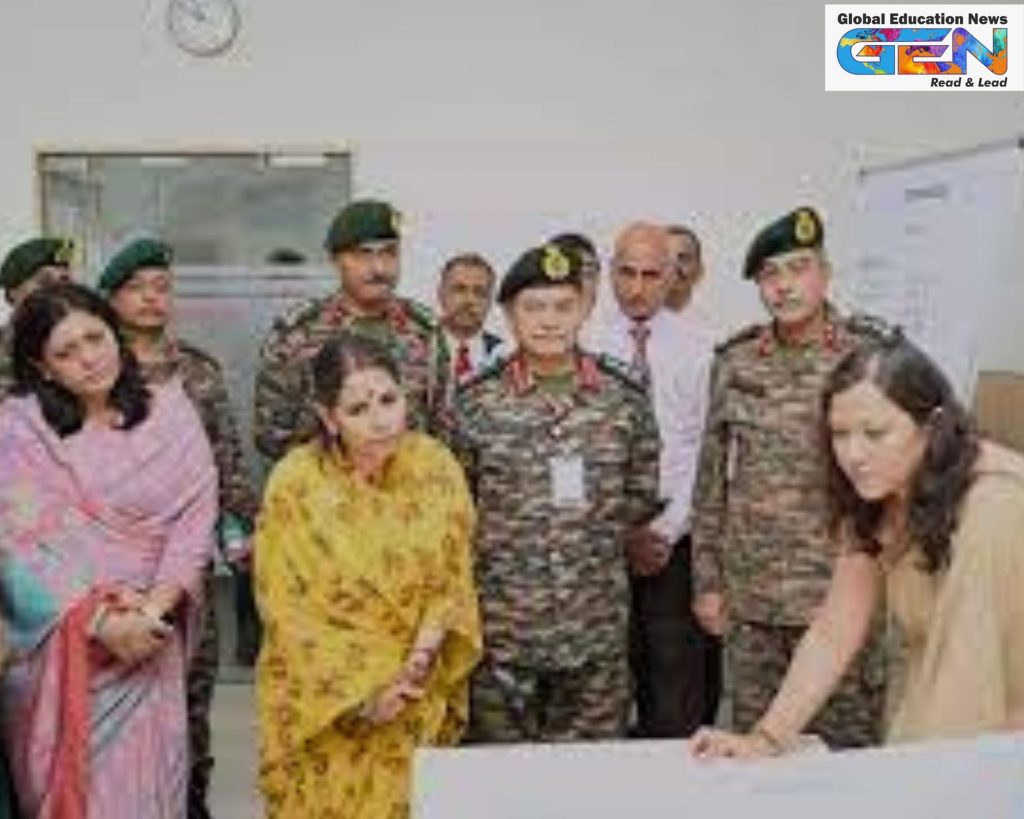
Launched by the Ministry of Defence, the System for Pension Administration Raksha (SPARSH) aimed to revolutionize pension delivery for India’s 32 lakh defence pensioners by digitizing and centralizing processes. While designed to ensure timely disbursal and transparency, SPARSH has faced significant backlash, with veterans reporting issues from inaccessible interfaces to persistent data errors. As of mid-2025, over 6.5 lakh grievances remain unresolved, prompting social media campaigns like #SPARSHFailsVeterans and parliamentary scrutiny.
- Key Points:
- SPARSH launched to streamline pension processes for defence personnel.
- Over 31 lakh pensioners onboarded, but challenges persist.
- Veterans demand user-friendly reforms and options to revert to legacy systems.
SPARSH’s Objectives and Promises
SPARSH, implemented by the Principal Controller of Defence Accounts (Pensions) with Tata Consultancy Services, seeks to automate pension sanctioning and disbursal for Army, Navy, Air Force, and defence civilians. Key features include real-time grievance tracking, digital life certificate submission, and access to pension details via a single portal, aiming to eliminate intermediaries and reduce delays from months to days.
- Key Points:
- Centralizes pension sanctioning, disbursal, and grievance redressal.
- Offers transparency through access to Pension Payment Orders (PPOs) and slips.
- Reduces pension sanction time from four months to 15 days.
Veterans’ Struggles: Digital and Bureaucratic Hurdles
Many veterans, particularly elderly and rural ones, find SPARSH’s interface daunting. Tasks like logging in, updating personal details, or submitting life certificates are challenging due to digital illiteracy and limited internet access. Errors in names, birth dates, or ranks require multiple applications, often stuck in bureaucratic loops. Facilitation centres, including 26,000 bank branches and 4.63 lakh Common Service Centres, lack authority to directly amend records, leaving veterans frustrated.
- Key Points:
- Elderly and rural veterans struggle with portal navigation.
- Data errors (e.g., misspelt names) require repeated submissions.
- Service centres cannot directly resolve issues, delaying redressal.
Case Studies: Real-Life Impacts
SPARSH’s flaws have led to distressing cases. Subedar Pritam Singh, mistakenly declared dead since 1984, must annually submit life certificates to prove he is alive. An 85-year-old widow in a remote village relies on neighbors to access the portal, highlighting digital inaccessibility. Another veteran, whose service documents were stolen, has struggled for years to restore his records, underscoring SPARSH’s inability to handle complex cases.
- Key Points:
- Subedar Singh declared “dead” on records, facing annual verification hurdles.
- Elderly widow depends on community support for portal access.
- Loss of documents creates insurmountable barriers for some veterans.
Scale of Unresolved Grievances
As of October 2024, approximately 6.5 lakh pension-related grievances remain unresolved, affecting 20% of the 32 lakh defence pensioners. Issues include non-payment of One Rank One Pension (OROP) arrears, pension stoppages, and data mismatches. Social media campaigns like #SPARSHFailsVeterans, led by figures like Lt Col R K Bhardwaj, highlight widespread discontent. Rajya Sabha MP Sagarika Ghose raised concerns in March 2025 about stranded pensioners, reflecting parliamentary attention.
- Key Points:
- 6.5 lakh unresolved grievances reported in October 2024.
- Issues include OROP arrears, pension halts, and data errors.
- #SPARSHFailsVeterans campaign amplifies veterans’ frustrations.
Institutional Response and Proposed Solutions
The Defence Accounts Department (DAD) has expanded service centres, signing MoUs with banks like Bank of India and Canara Bank, covering 26,000 branches, and CSC e-Governance for 4.63 lakh Common Service Centres. A planned SPARSH mobile app aims to improve accessibility. Veterans suggest reverting to bank-based systems for those over 60 or retired before 2016, alongside a Comptroller and Auditor General (CAG) audit to assess performance.
- Key Points:
- MoUs with banks and CSCs to enhance last-mile connectivity.
- Proposed mobile app to improve user experience.
- Calls for CAG audit and optional return to legacy systems.
Veterans’ Advocacy: Fighting for Reform
Ex-servicemen’s groups, like the Chandigarh-based Ex-Servicemen’s Grievance Cell, hold weekly meetings to assist veterans with unresolved cases. Led by figures like Lt Col S S Sohi, these groups have pursued legal action when administrative channels fail, with no cases dismissed to date. Their advocacy emphasizes a veteran-friendly system, not criticism, urging user-centric improvements and training programs, especially for rural pensioners.
- Key Points:
- Grievance Cell supports veterans with weekly meetings.
- Legal recourse pursued for unresolved issues, with 100% success rate.
- Advocacy for training and rural outreach to improve accessibility.
Conclusion: A Call for Veteran-Centric Reform
SPARSH was envisioned as a transformative solution for defence pensioners, but its implementation has left many struggling with digital barriers and unresolved grievances. With 6.5 lakh pending complaints and growing discontent, urgent reforms are needed to make SPARSH accessible and efficient. Expanding training, enhancing service centre capabilities, and considering legacy system options for older veterans could restore trust, ensuring India’s heroes receive their pensions with dignity.