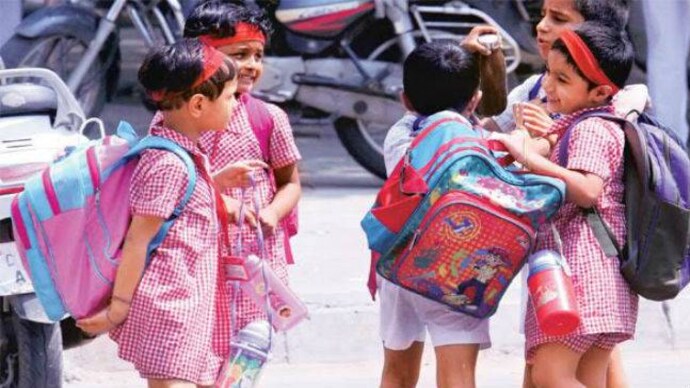
The Economic Survey 2025-26 of Maharashtra provides a detailed overview of the state’s education infrastructure and student enrolment trends. According to the report, more than 1.45 crore students are currently enrolled in over 1.04 lakh primary schools across the state, reflecting the scale of the primary education system in one of India’s most populous states.
In addition to primary schools, the state also has 29,641 secondary and higher secondary institutions, which together serve approximately 63.6 lakh students.
These figures underline the vast network of educational institutions responsible for delivering school education to millions of children across both rural and urban regions of Maharashtra.
Key Statistics from the Economic Survey
The survey highlights several important indicators that reveal both progress and emerging challenges in the state’s education system.
Major Data Points
- Total primary schools: Over 1,04,526
- Students enrolled in primary schools: Around 1.45 crore
- Secondary and higher secondary schools: 29,641
- Students in secondary and higher secondary education: 63.6 lakh
- Pupil-teacher ratio: Improved from 31.1 to around 30:1
These statistics show that Maharashtra continues to maintain a large and relatively stable primary education infrastructure, although some structural challenges remain.
Slight Growth in Number of Schools
The survey indicates a marginal increase in the number of primary and upper primary schools in the state.
School Infrastructure Trends
- Total schools increased from 1,04,499 in 2023-24 to 1,04,526 in 2024-25.
- The increase suggests gradual expansion of educational infrastructure in the state.
Although the growth is small, it reflects the government’s ongoing efforts to expand access to primary education and strengthen the school network across Maharashtra.
Rural Schools Still Dominate the Education Network
Maharashtra’s primary education system remains largely rural.
Rural vs Urban Distribution
- Around 75.1% of primary schools are located in rural areas.
- The rural share slightly declined from 75.2% in the previous year.
This indicates that rural regions continue to host the majority of schools, ensuring educational access for children in villages and remote areas. However, the slight decline suggests gradual shifts in school distribution patterns due to urbanisation and infrastructure consolidation.
Gender Representation in School Enrolment
Another notable trend highlighted in the survey is the stable participation of girls in primary education.
Gender Enrolment Data
- Girls accounted for 47.7% of enrolment in 2023-24.
- The share slightly increased to 47.8% in 2024-25.
This indicates near gender parity in primary education enrolment, reflecting progress in policies aimed at promoting girls’ education and reducing gender gaps in schooling.
School Availability per Child
While enrolment numbers remain high, the survey also highlights a minor decline in the availability of schools per thousand children.
Key Indicator
- Schools per 1,000 children dropped from 10.1 in 2023-24 to 10 in 2024-25.
Although the change is minimal, it suggests that population growth and student numbers may be increasing faster than school infrastructure expansion.
Government Welfare Programs Supporting School Education
The survey also highlights several welfare initiatives aimed at improving education and child development.
One of the major programmes is the Integrated Child Development Services (ICDS) scheme, which operates through over 1.10 lakh anganwadi centres across 553 child development projects in the state.
Such programmes focus on:
- Early childhood education
- Nutrition and health services
- Supporting school readiness for young children
In addition, national programmes like school meal schemes and other welfare initiatives help encourage enrolment and reduce dropout rates by supporting students from economically weaker backgrounds.
Challenges Facing the Education System
Despite strong enrolment numbers, experts highlight several structural challenges in Maharashtra’s school education system.
Key Concerns
1. Slight decline in rural school share
Changes in rural school distribution may affect accessibility in remote areas.
2. Infrastructure pressure
A large number of students depend on a limited number of schools, increasing pressure on facilities and teachers.
3. Population growth impact
The slight drop in school availability per child indicates the need for further infrastructure expansion.
4. Balancing quality with access
While enrolment levels are high, improving learning outcomes and teaching quality remains an ongoing priority.
The Bigger Picture: Strengthening School Education in Maharashtra
The data presented in the Economic Survey shows that Maharashtra has one of the largest school education systems in India, serving millions of students through an extensive network of institutions.
The state’s focus now lies in:
- Improving education quality and infrastructure
- Ensuring teacher availability and training
- Strengthening rural education access
- Expanding digital and modern learning resources
These efforts will be crucial in ensuring that the large number of enrolled students receive quality education that prepares them for higher studies and employment opportunities.