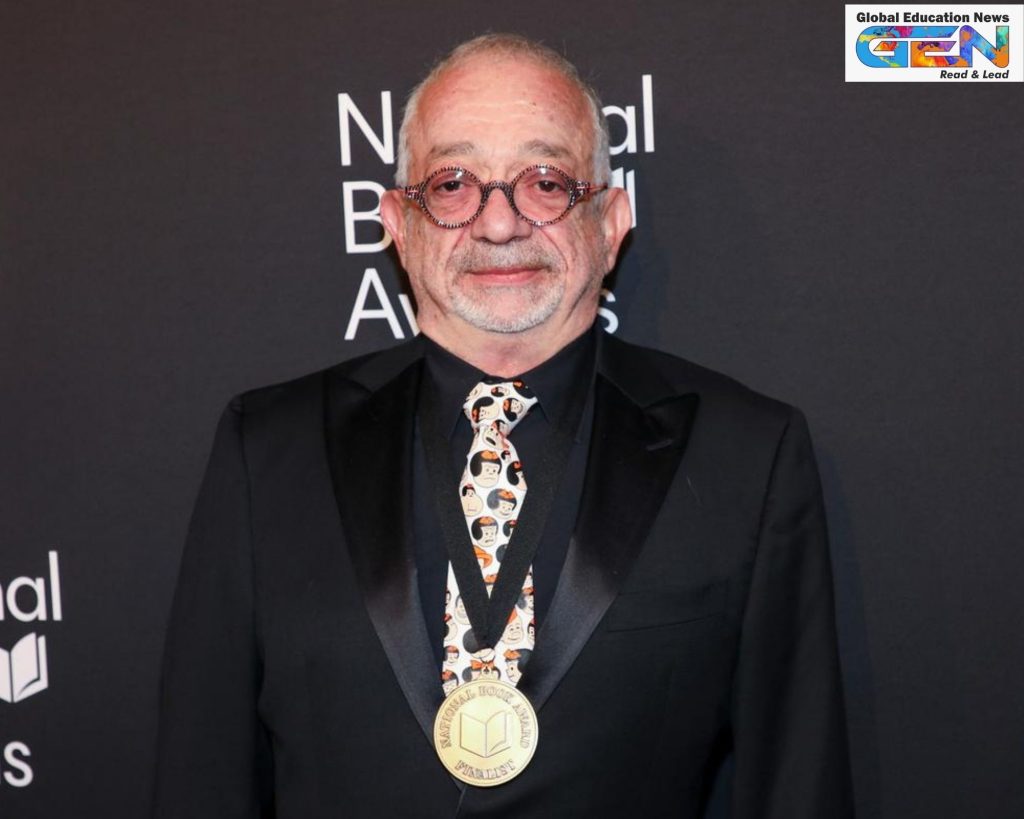
The 76th National Book Awards ceremony, held on November 20, 2025, in the heart of Manhattan, transformed into a electrifying blend of celebration and confrontation. Hosted by the National Book Foundation, this annual gala honors the pinnacle of American literature across five core categories: Fiction, Nonfiction, Poetry, Young People’s Literature, and Translated Literature. Each winner pocketed a $10,000 prize, but the real currency of the evening was raw emotion—authors wielding their podiums as megaphones against immigration raids, the unrelenting violence in the Middle East, and the gatekeeping plaguing the publishing world.
Kicking off with soul-stirring tunes from musician Corinne Bailey Rae, the night flowed under the witty emceeing of actor Jeff Heller, whose literary puns (including a cheeky slip-up on a book title) kept the crowd chuckling amid heavier themes. Past laureates and icons dotted the audience, infusing the air with a palpable sense of legacy. Yet, this wasn’t just about accolades; it was a defiant rally cry, echoing the awards’ storied role as a bastion for artistic resistance in turbulent times.
- Event Scale: Over 300 nominees distilled to 25 finalists, with winners announced live in a high-stakes reveal.
- Cultural Pulse: Speeches wove personal triumphs with global critiques, spotlighting how literature confronts chaos.
- Inclusivity Edge: Emphasis on diverse voices, from queer narratives to immigrant stories, challenging industry norms.
Fiction Crown: Rabih Alameddine’s Absurdly Human Triumph
In a category brimming with narrative innovation, Rabih Alameddine emerged victorious for The True True Story of Raja the Gullible (and His Mother). This audacious novel dances through family bonds, wartime scars, and Lebanese absurdity, layering satire with heartbreaking tenderness. Alameddine’s win cements his status as a master of the unflinching gaze, turning personal folklore into a mirror for collective trauma.
- Core Themes: War’s ripple effects on identity, blending humor with horror in modern Lebanon.
- Why It Resonates: Critics hail its emotional architecture—funny one page, gut-wrenching the next—making it a must-read for fans of magical realism meets memoir.
- Acceptance Spotlight: Alameddine’s speech pivoted from somber reflections on Gaza’s violence to lighthearted nods to his psychiatrist and GI specialist, earning laughs and tears in equal measure.
Poetry Pinnacle: Patricia Smith’s Thunderous Intentions
Patricia Smith claimed the Poetry prize for The Intentions of Thunder, a collection that crackles with explorations of racial memory, unyielding resilience, and the poetry of survival. Her verses slice through societal veneers with lyrical precision, transforming pain into a symphony of strength—a vital anthem for Black voices navigating America’s fractured landscape.
- Artistic Depth: Introspective lines that unearth generational echoes, delivered with rhythmic fury.
- Impact Factor: Smith’s work amplifies marginalized narratives, positioning her as a poet-warrior in contemporary letters.
- Podium Power: In her speech, she credited poetry as the salve for inherited wounds, declaring, “These words helped me rewrite the stories my blood tried to bury.”
Nonfiction and Youth Gems: Critiques and Coming-of-Age Sagas
The nonfiction nod went to Omar El Akkad for One Day, Everyone Will Have Always Been Against This, a blistering essay on Western complicity amid Gaza’s horrors. El Akkad’s prose lays bare the psychic toll of bearing witness, urging readers to confront the numbness of endless conflict.
- Key Insight: A post-atrocity manifesto, blending journalism’s edge with philosophical bite.
- Speech Essence: El Akkad unpacked the “emotional wreckage” of chronicling despair, a raw reminder of nonfiction’s moral weight.
In Young People’s Literature, Daniel Nayeri shone with The Teacher of Nomad Land: A World II Story, a WWII-era odyssey of displacement, hope, and self-discovery. Tailored for young readers, it weaves historical grit with timeless lessons on belonging.
- Narrative Hook: Survival tales through a child’s eyes, fostering empathy in an era of global migration.
- Broader Reach: Ideal for classrooms tackling identity and resilience in youth lit.
Translated Literature: A Multilingual Ode to Trembling Worlds
Gabriela Cabezón Cámara, translated by Robin Myers, triumphed in Translated Literature with We Are Green and Trembling. This evocative work delves into queer ecologies and existential dread, its Spanish roots blooming into English with poetic fidelity.
- Thematic Core: Intersections of sexuality, environment, and fragility in a warming world.
- Cultural Bridge: Myers’ translation preserves the original’s lyrical tremor, spotlighting Latin American voices.
- Defiant Delivery: Cámara’s Spanish-language speech thumbed its nose at anti-immigrant rhetoric, a bold stand for linguistic sovereignty.
Honorary Accolades and Industry Reckoning
The evening’s luminaries included honorary recipient Roxane Gay, whose impassioned address torched outdated publishing metrics—”Ditch the algorithms; chase the soul”—advocating for inclusivity over Instagram likes. George Saunders, feted for his introspective craft, received a standing ovation for championing revision as the heart of truth-telling.
- Gay’s Callout: A manifesto for diverse storytelling, urging the industry to evolve beyond gatekept gates.
- Saunders’ Wisdom: “Literature is where we learn to see ourselves clearly—flaws and all.”