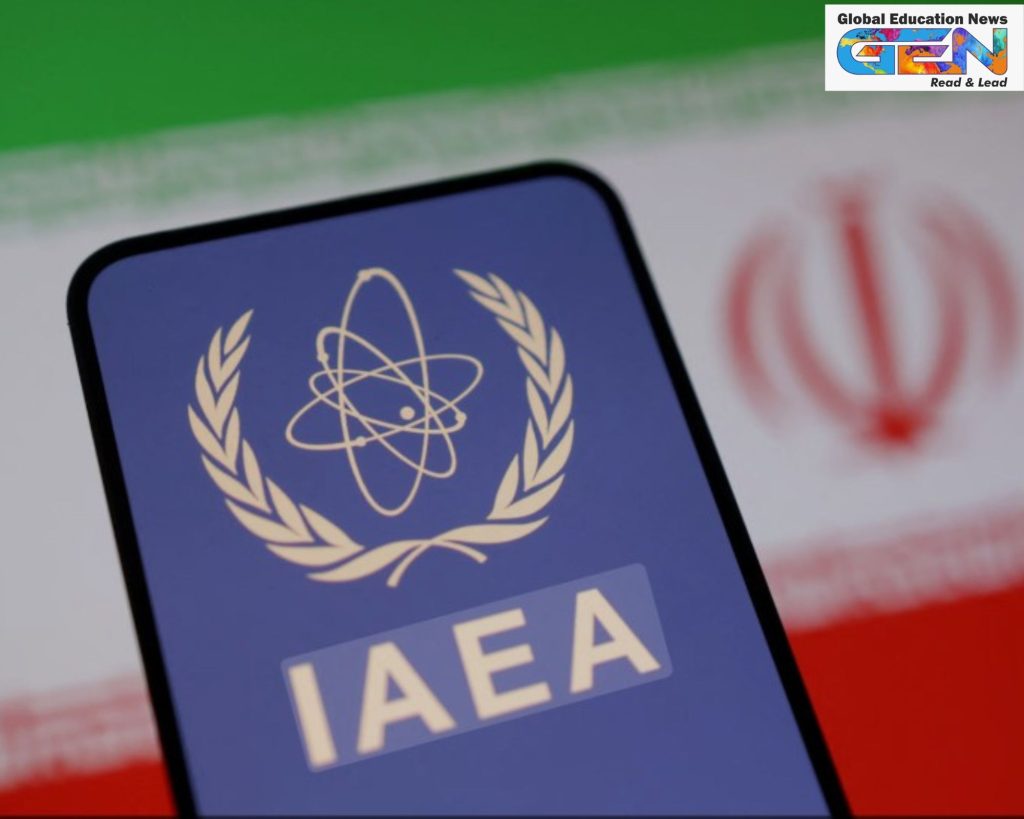
On June 25, 2025, Iran’s parliament, the Islamic Consultative Assembly (Majles), voted overwhelmingly (221 in favor, zero against, one abstention) to suspend all cooperation with the International Atomic Energy Agency (IAEA), a move now awaiting ratification by the Supreme National Security Council chaired by President Masoud Pezeshkian. This decision, driven by U.S. and Israeli military strikes on Iran’s nuclear facilities at Natanz, Fordow, and Isfahan, marks a critical escalation in the Iran-Israel conflict and threatens the global nuclear non-proliferation framework. The vote reflects Iran’s frustration with the IAEA’s perceived failure to condemn the attacks, with Parliament Speaker Mohammad Bagher Ghalibaf accusing the agency of becoming a “political tool”. As Iran vows to accelerate its civilian nuclear program, the world braces for potential nuclear proliferation risks.
Background: Iran’s Fragile Cooperation with IAEA
The IAEA, tasked with overseeing global nuclear programs under the Non-Proliferation Treaty (NPT), has monitored Iran’s nuclear activities for decades. Iran’s cooperation, though often contentious, was formalized under the 2015 Joint Comprehensive Plan of Action (JCPOA), which limited uranium enrichment to 3.67% in exchange for sanctions relief. However, the U.S. withdrawal in 2018 under President Donald Trump, followed by crippling sanctions and alleged Israeli sabotage, strained this relationship. By 2025, Iran had enriched uranium to 60% purity—close to weapons-grade—prompting international concern. Despite partial compliance, Iran’s patience eroded as the IAEA censured it for non-cooperation in June 2025, just before the strikes.
Triggering Events: U.S. and Israeli Strikes
The suspension follows a 12-day conflict sparked by Israeli airstrikes on June 13, 2025, targeting Iran’s nuclear sites, military leaders, and scientists, killing over 600 Iranians, including top figures like IRGC Commander Hossein Salami. Israel claimed the strikes were preemptive to prevent Iran from developing nuclear weapons. On June 22, the U.S. escalated the conflict with bunker-buster bombs on Natanz, Fordow, and Isfahan, with President Trump claiming the strikes “obliterated” Iran’s nuclear capabilities. However, a leaked U.S. intelligence report suggests the damage set Iran’s program back by only 3–6 months, with centrifuges and enriched uranium stockpiles largely intact. Iran’s Foreign Minister Abbas Araghchi called the attacks a “crime,” accusing the U.S. of enabling Israel.
Parliament’s Defiant Response
Iran’s National Security and Foreign Policy Committee approved the suspension bill on June 24, 2025, citing the IAEA’s failure to condemn the attacks and alleging that Director General Rafael Grossi shared sensitive nuclear data with Israel. The bill, passed on June 25, halts IAEA inspections, surveillance camera installations, and reporting until Iran’s nuclear facilities’ security is guaranteed. Ghalibaf declared Iran would fast-track its civilian nuclear program, denying weapons ambitions but signaling defiance. Lawmakers chanted “Death to America” and “Death to Israel” post-vote, reflecting heightened anti-Western sentiment.
Impact on Nuclear Monitoring
If ratified, the suspension would severely limit IAEA’s oversight, creating a monitoring blackout. Key restrictions include:
- No inspector access to Natanz, Fordow, or Isfahan.
- Halted surveillance camera installations.
- Suspended reporting to the IAEA.
This move undermines the JCPOA framework, already weakened since 2018, and risks a proliferation crisis if Iran pursues weapons-grade enrichment (90% purity). IAEA chief Rafael Grossi called resuming inspections his “top priority,” noting challenges like rubble and unexploded ordnance at damaged sites. Iran’s preemptive transfer of enriched uranium before the strikes suggests strategic planning, complicating IAEA verification.
Iran’s Nuclear Policy: Defiance or Diplomacy?
Iran insists its nuclear program is for peaceful purposes, a stance reiterated by officials like President Pezeshkian, who claimed a “great victory” in surviving the attacks. However, the suspension signals a hardened stance, with some MPs, like Akbar A’lami, questioning Iran’s NPT membership if it fails to protect against attacks. This echoes Iran’s 2020 threat to limit IAEA access after U.S. sanctions and scientist assassinations. Yet, former President Hassan Rouhani urged caution, advocating for diplomacy over “reckless wishful thinking”, highlighting internal debates on whether to pursue nuclear ambiguity or outright weaponization.
Global and Regional Reactions
The suspension has drawn sharp responses:
- IAEA and Western Powers: Grossi urged dialogue, warning of a “potential widening” of conflict and radiological risks. France and Germany called for a UN Security Council meeting, while the EU considers reinstating UN sanctions via the JCPOA’s “snapback” mechanism.
- Russia and China: Both condemned the U.S.-Israeli strikes, with Russia’s deputy foreign minister calling the IAEA’s credibility “lost”.
- Gulf States: Saudi Arabia and the UAE expressed concerns over regional stability, fearing an arms race.Public Sentiment: X posts reflect polarized views, with some praising Iran’s defiance and others urging de-escalation.
Future Implications: A Fragile Ceasefire
A U.S.-brokered ceasefire announced on June 24, 2025, holds but remains shaky, with both sides accusing each other of violations. If the Guardian Council approves the bill, IAEA inspectors could be expelled, leaving Iran’s nuclear activities unchecked. This could:
- Escalate Tensions: Western powers may impose new sanctions or military measures, fearing weaponization.
- Fuel Proliferation Risks: Iran’s 4,400 kg of 60% enriched uranium, if further enriched, could yield weapons-grade material in months.
- Undermine NPT: Iran’s potential NPT withdrawal, debated in parliament, could weaken the global non-proliferation regime.
Grossi emphasized diplomacy, offering Vienna as a venue for talks, but Iran’s demand for security guarantees complicates negotiations. The IAEA reported no off-site radiation increases at Natanz, Fordow, or Isfahan, but internal contamination at Natanz and significant underground damage at Fordow raise safety concerns.
Tips for Navigating the Crisis
- Stay Informed: Monitor iaea.org and pib.gov.in for updates on inspections and diplomacy.
- Understand Risks: Read IAEA reports on nuclear safety to grasp proliferation dangers.
- Support Diplomacy: Advocate for dialogue via platforms like X, echoing calls for restraint.
- Prepare for Volatility: Expect oil price spikes (Brent crude hit $78.83 post-strikes) and regional instability.
What’s Next?
The Guardian Council’s decision will determine if the suspension takes effect, potentially within days. If enacted, Iran’s nuclear program could operate without oversight, escalating fears of weaponization. The UN Security Council meeting, urged by France and Germany, may shape the next steps. Meanwhile, Iran’s talks with Russia and Saudi Arabia signal a bid for regional support. The coming weeks are critical—diplomacy or confrontation will define the Middle East’s nuclear future.