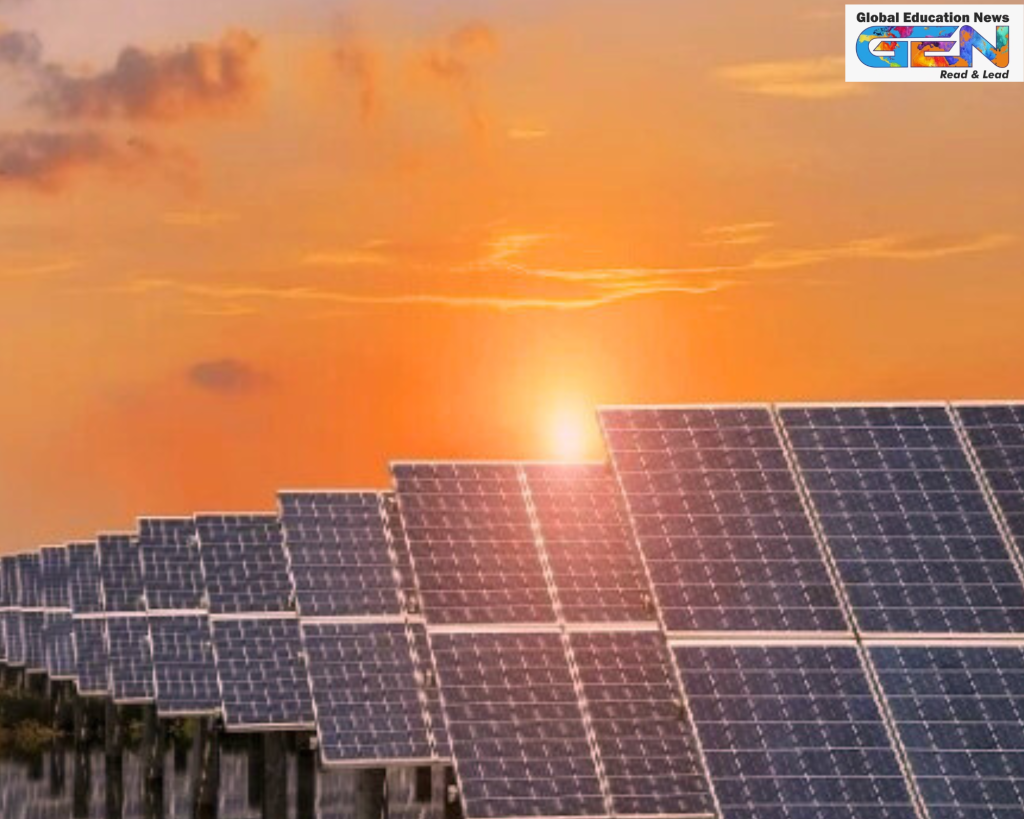
India’s Commitment to Clean Energy: A New Milestone in Current Affairs with the $2 Million Solar Investment Agreement
India’s Ministry of External Affairs has signed a significant agreement with the International Solar Alliance (ISA) on November 26, 2024, aimed at enhancing solar energy projects in Fiji, Comoros, Madagascar, and Seychelles. The agreement marks a pivotal step in India’s commitment to advancing clean energy solutions globally, particularly in island nations facing unique energy challenges. This initiative is in line with India’s ongoing efforts to support clean energy transitions and improve energy access in vulnerable regions.
Context of the Agreement: Building on the Quad’s Commitment
This agreement comes in the wake of the Quad Leaders’ Summit held in Delaware in September 2024, where the Quad nations—the United States, Japan, Australia, and India—committed to promoting clean energy and addressing global energy challenges. During this summit, India took a significant step forward by pledging its support for solar energy initiatives across the Indo-Pacific region. India’s commitment to investing $2 million towards solar energy projects in these countries is a direct outcome of these pledges and demonstrates India’s leadership in global clean energy efforts.
Key Features of the Agreement
- Solar Energy Development: The agreement focuses on providing solar energy solutions to the four island nations, helping to expand clean energy access where traditional energy sources are limited or unreliable. Solar power is a critical part of the sustainable energy transition in these regions, given their high potential for solar energy generation and limited access to electricity.
- Investment and Commitment: India has pledged an investment of $2 million to fund the development and implementation of solar energy projects in Fiji, Comoros, Madagascar, and Seychelles. The aim is to improve energy infrastructure, reduce reliance on fossil fuels, and contribute to sustainable development.
- Targeted Countries: These island nations have been selected due to their geographical location, economic challenges, and energy access issues. Solar power is seen as a viable solution for improving energy resilience and addressing climate change challenges in these regions.
Why Solar Energy?
The choice of solar energy as a key solution is particularly relevant for the four countries, which are facing energy deficits and increasing pressure to transition to clean energy. The high level of sunlight exposure and the potential for decentralized energy systems make solar power the ideal choice for these island nations.
- Sustainability and Self-reliance: By investing in solar energy, these countries will be able to reduce their reliance on imported fossil fuels and create self-sustaining energy systems. This will not only improve energy security but also contribute to broader efforts to combat climate change.
- Boost to Local Economies: The projects are expected to provide significant economic benefits, including the creation of local jobs and the development of infrastructure. Additionally, solar energy systems can improve the quality of life by powering essential services, from healthcare facilities to educational institutions.
India’s Role as a Global Clean Energy Leader
India has consistently shown its commitment to clean energy through various international collaborations and investments. This agreement with the International Solar Alliance further enhances India’s role as a leader in global clean energy initiatives. India’s active participation in the ISA and its continued investment in solar energy projects in the Indo-Pacific region highlight the country’s dedication to supporting energy access and climate resilience worldwide.
- Global Leadership in Solar Energy: India’s Solar Alliance, which was established in 2015, has been at the forefront of promoting solar power as an affordable and sustainable energy solution for developing countries. India’s efforts to expand solar power usage in island nations reinforce its status as a key player in the global push for clean energy transitions.
- Part of the Broader Strategy: This initiative is aligned with India’s broader international policy to support climate action and energy access in vulnerable regions. The solar projects are part of a larger effort to meet global climate goals and contribute to sustainable development.
Implications of the Agreement for the Indo-Pacific Region
This agreement is not just a bilateral effort between India and the ISA but also contributes to broader regional and global efforts to address climate change and energy poverty. The Indo-Pacific region, with its vast oceanic area and diverse energy needs, stands to benefit significantly from initiatives like this one. These solar energy projects will play a crucial role in reducing the carbon footprint of these nations, providing sustainable energy solutions, and improving overall climate resilience.
Current Affair: A Global Commitment to Clean Energy
In the current affair of global energy politics, this agreement reflects a growing recognition of the importance of clean energy solutions in addressing both climate change and energy poverty. It underscores how international cooperation, particularly between like-minded countries, can bring about meaningful progress in achieving the United Nations’ Sustainable Development Goals (SDGs) related to affordable energy and climate action.
As India continues to strengthen its partnerships with countries in the Indo-Pacific region, this initiative further solidifies the country’s role as a global leader in the transition to a clean energy future.
Conclusion
The agreement between India and the International Solar Alliance represents a major step forward in the global clean energy movement, with a specific focus on enhancing energy access and sustainability in Fiji, Comoros, Madagascar, and Seychelles. With India’s $2 million investment, these nations will see significant improvements in their energy infrastructure, contributing to climate action, economic growth, and energy independence. This agreement also highlights India’s expanding role as a leading advocate for clean energy initiatives, marking another milestone in the nation’s growing leadership on the global stage.