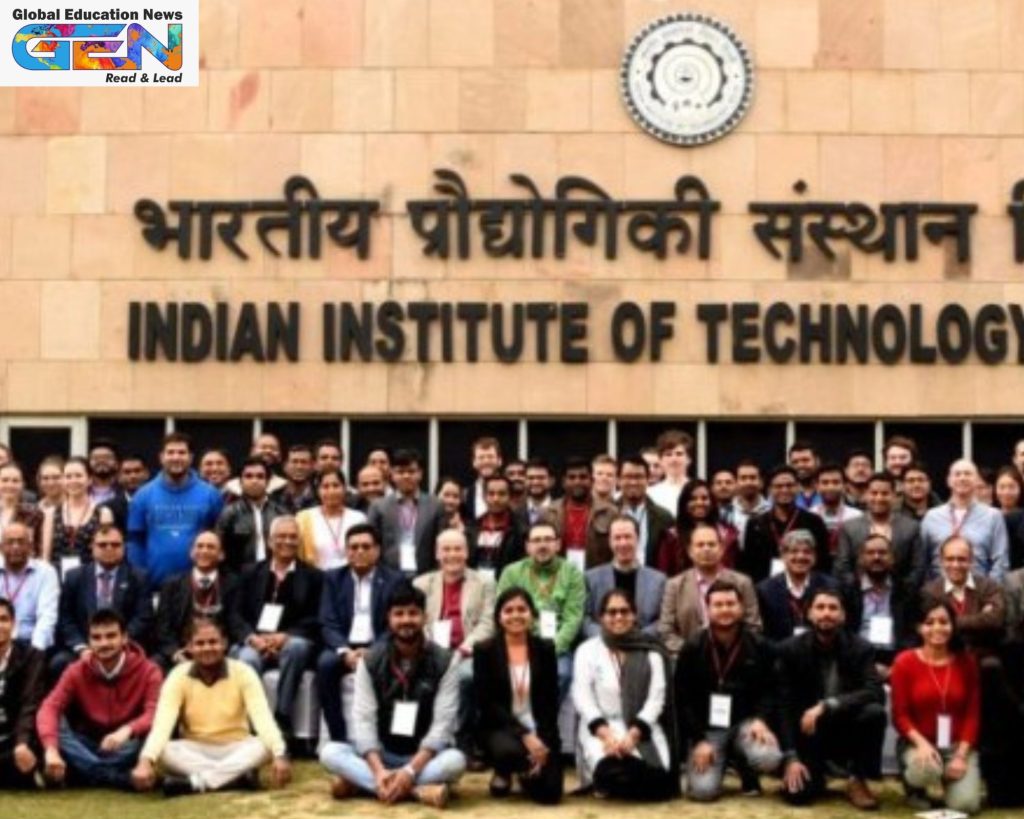
The Indian Institutes of Technology (IITs), India’s crown jewels of technical education, are hitting the refresh button on their dual degree programs. Gone are the days of rigid, five-year commitments that left students yearning for earlier exits. The new vibe? Interdisciplinary education that’s as dynamic as the tech world itself. Think mechanical engineers diving into robotics or physics majors exploring quantum computing. This shift isn’t just about keeping up—it’s about setting the pace for global innovation.
- Adapting to Industry Needs: Aligning curricula with demands for versatile professionals.
- Student-Centric Flexibility: Allowing exits or conversions from BTech to MTech.
- Interdisciplinary Focus: Combining fields like AI, robotics, and data science.
The Old vs. The New: A Game-Changing Shift
Key Points:
- Old Structure: Five-year programs combining BTech and MTech in one discipline.
- New Approach: Flexible pathways with interdisciplinary options after the third year.
- Student Feedback: Many found the extra year burdensome, prompting change.
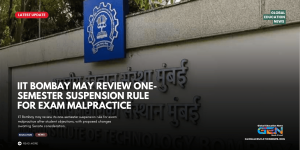
Once upon a time, dual degree programs were the go-to for ambitious IIT students who wanted a BTech and MTech in one go. But the fifth year often felt like a marathon with no finish line in sight, especially when BTech peers were already landing jobs. Now, IITs are flipping the script. At IIT Bombay, the traditional dual degree is out, replaced by options to pair engineering with fields like management. Meanwhile, IIT Delhi and IIT Madras are doubling down on research-driven, cross-disciplinary paths that let students mix and match their passions.
What’s Driving This Transformation?
Key Points:
- Industry Demand: Employers want engineers fluent in multiple fields.
- Increased Intake: Reservation norms have expanded student numbers, requiring flexible structures.
- Future-Ready Skills: Preparing students for AI, biotech, and smart cities.
The world’s moving fast, and IITs are keeping up. Industries are hungry for versatile talent who can blend computer science with biotechnology or civil engineering with sustainable urban planning. With reservation policies boosting student numbers, IITs are streamlining programs to offer more choices. Students can now pivot to MTech after their third year or explore interdisciplinary fields like data science or renewable energy, ensuring they’re ready to tackle real-world challenges.
The New Dual Degrees: Flexibility Meets Innovation
Key Points:
- Mid-Course Pivots: Students can choose interdisciplinary paths after the fifth semester.
- Diverse Combinations: Think chemistry with quantum computing or mechanical engineering with AI.
- Research Focus: Encouraging innovation through hands-on projects.
Picture this: a civil engineering student designing smart cities or a chemistry grad revolutionizing quantum mechanics. The new dual degree programs are all about flexibility. After their fifth semester, students can dive into fields that spark their curiosity, from robotics to bioinformatics. IIT Madras is leading the charge, training engineers to “speak” multiple disciplines, while IIT Delhi emphasizes research-driven learning for those hungry to push boundaries.
How Students and Industry Win
Key Points:
- Student Benefits: Greater freedom to explore diverse interests.
- Industry Gains: Graduates with cross-disciplinary skills for tech, healthcare, and more.
- Global Impact: Preparing innovators for challenges like climate change and healthcare.
This overhaul is a win-win. Students get the freedom to craft their own paths, making their IIT experience more exciting and relevant. For industries, it’s a goldmine of multiskilled graduates ready to dive into AI startups, healthcare innovations, or sustainable tech. By producing problem-solvers who can connect the dots across fields, IITs are ensuring their graduates stay ahead in a world where STEM careers demand adaptability.
Challenges? Yes. Opportunities? Endless.
Key Points:
- Curriculum Challenges: Balancing depth with interdisciplinary breadth.
- Infrastructure Needs: Supporting research with cutting-edge facilities.
- Global Leadership: Positioning IITs as pioneers in higher education.
Revamping dual degree programs isn’t a walk in the park. Faculty must craft curricula that blend depth with versatility, and research facilities need to keep up with ambitious projects. But the payoff? Huge. IITs are cementing their status as global leaders in higher education, producing graduates who’ll drive innovation and tackle issues like climate change or global health. This is more than a program tweak—it’s a bold step toward shaping the future.
The Future Is Bright for IITians
Key Points:
- Empowering Innovators: Graduates ready to lead in a tech-driven world.
- Flexible Pathways: Options to align education with career goals.
- Global Relevance: IITs as trailblazers in interdisciplinary education.
The IITs are rewriting the rules of technical education, and the new dual degree programs are proof. By blending flexibility, interdisciplinary learning, and a passion for innovation, they’re preparing students to not just navigate but shape the future. Whether it’s a computer science grad diving into bioinformatics or an electrical engineer exploring quantum computing, the new IIT experience is all about breaking barriers and building a better tomorrow.