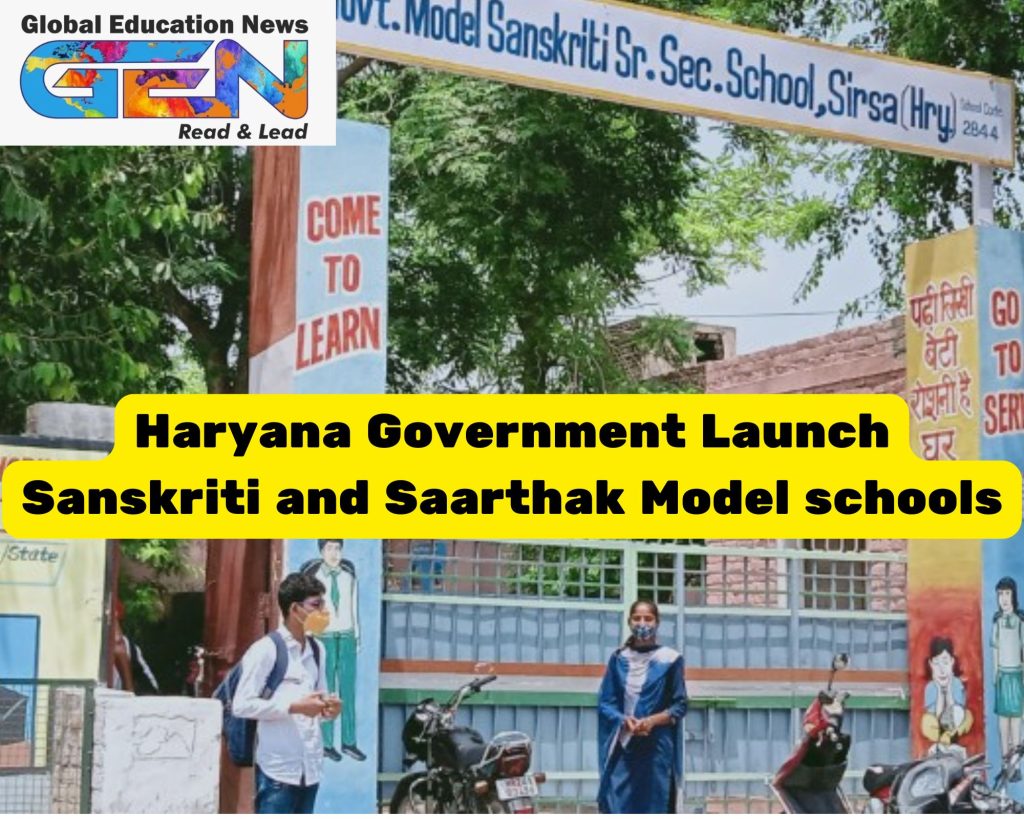
Haryana is making a determined effort to narrow the divide between public and private education, as highlighted by Chief Secretary Anurag Rastogi in a recent announcement. Through the launch of Model Sanskriti and Saarthak Model schools, the state is working to provide high-quality education to all students, regardless of their financial background. Unveiled in early April 2025, this initiative reflects Haryana’s ambition to create an equitable education system that rivals private institutions.
A Vision for Educational Equity
- Key Points:
- Focuses on reducing disparities between public and private schooling.
- Introduces affordable, high-quality Model Sanskriti and Saarthak schools.
- Targets support for economically disadvantaged students.
Chief Secretary Anurag Rastogi has emphasized the need to level the playing field. The new model schools aim to deliver top-tier education at minimal cost, ensuring that talent isn’t stifled by economic barriers. During a school visit, he underscored the importance of nurturing potential that might otherwise go untapped due to financial limitations.
Key Features of the Initiative
- Key Points:
- Plans to establish schools every 10 km across Haryana.
- Offers improved facilities and well-trained teachers.
- Includes a personal ₹51,000 contribution from the Chief Secretary for innovation.
The initiative promises widespread access by placing schools within a 10-kilometer radius statewide, even in rural areas. Enhanced infrastructure and skilled educators are central to improving learning outcomes. The Chief Secretary’s personal donation of ₹51,000 to fund creative projects at one school highlights the leadership’s dedication. Reports also note a significant increase in school admissions—68,188 more students in the 2024-25 session—indicating growing trust in public education.
Aligning with Broader Goals
- Key Points:
- Supports the National Education Policy (NEP) 2020’s objectives.
- Prioritizes foundational skills and modern teaching approaches.
- Aims to raise Haryana’s education standards regionally.
This effort aligns with national goals to enhance foundational learning and access, as outlined in the NEP 2020. By adopting modern methods and improving facilities, Haryana seeks to distinguish itself from neighboring states facing educational challenges, positioning itself as a leader in public education reform.
Implementation and Community Impact
- Key Points:
- Pilot phase in progress, with plans for broader rollout.
- Promotes community engagement through regular official visits.
- Tackles issues like teacher shortages head-on.
The rollout is already underway, with the Chief Minister encouraging monthly school visits by officials to build community ties and track progress. Despite hurdles like over 20,000 vacant teaching posts, the government is addressing these through recruitment and promotions, showing a proactive stance toward implementation.
Looking Ahead: A Model for India?
- Key Points:
- Could inspire education strategies nationwide.
- Blends innovation with a focus on inclusivity.
- Faces challenges in funding and rural expansion.
If successful, Haryana’s approach could influence education policies across India. Its balance of innovation and accessibility addresses a universal need, though sustaining funding and reaching remote areas remain critical tests. The Chief Secretary’s direct engagement with students adds a personal touch, fueling optimism for meaningful change.
Haryana’s mission to close the public-private education gap through Model Sanskriti and Saarthak schools signals a promising shift. As 2025 unfolds, this initiative could redefine public education, offering a brighter future for students across the state.