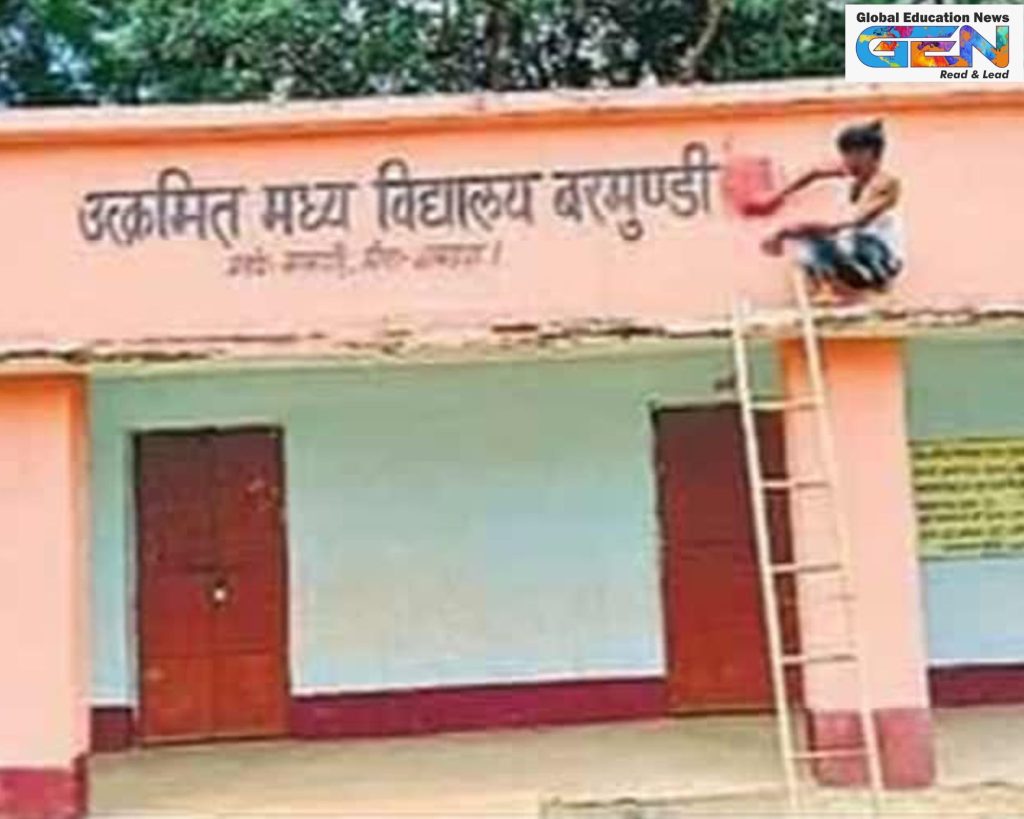
As of January 3, 2026, Jharkhand’s School Education Department has rolled out the Gram Shiksha Sangam program—a community-driven initiative to keep the spark of learning alive during school holidays, particularly the winter break. Spearheaded by the Jharkhand Education Project Council (JEPC), this program transforms village open spaces into vibrant hubs of stories, experiments, and discussions, targeting foundational literacy and numeracy for schoolchildren. In a state where rural dropout rates hover at 15-20% (per 2025 UDISE+ data) and holiday lulls often widen learning gaps, Gram Shiksha Sangam emerges as a timely antidote, fostering joyful, home-extended education amid NEP 2020’s emphasis on inclusive, experiential learning. With sessions spanning at least two days and involving parents, Panchayati Raj representatives, and local volunteers, it empowers School Management Committees (SMCs) to tailor activities to community needs. As JEPC’s State Project Director Shashi Ranjan notes, “Special emphasis is being placed on discussions around foundational literacy and numeracy with parents through simple games, along with small science experiments aimed at sparking curiosity among children.” This analysis dissects the program’s framework, activities, implementation, and potential to reshape rural education in Jharkhand’s 86 tribal development blocks.
Program Objectives: Bridging Holiday Learning Lapses with Community Joy
Gram Shiksha Sangam addresses the “vacation void”—that two-to-three-week winter hiatus where foundational skills like reading and basic math regress by 10-15% among rural children, per 2025 ASER reports. By embedding learning in familiar village settings, it cultivates sustained habits beyond the classroom.
- Core Goals:
- Sustain foundational literacy and numeracy during holidays to prevent knowledge erosion.
- Nurture a home-based culture of reading through interactive, joyful sessions.
- Foster parental involvement to extend learning ecosystems into households.
- Spark curiosity via simple experiments, aligning with NEP’s experiential pedagogy.
- Target Impact: Reach 50,000+ children in initial phases, reducing post-holiday regression by 20-25%; build long-term reading enthusiasm for 30% higher retention in Classes 1-5.
Ranjan emphasizes the program’s child-centric ethos: “The sessions are designed to make learning an interactive experience, turning holidays into opportunities for collective discovery.”
Activities Breakdown: Stories, Science, and Shared Insights
The program’s heartbeat lies in its blend of narrative immersion and hands-on wonder, conducted in open village areas or community halls to ensure accessibility and inclusivity.
| Activity Type | Description | Engagement Focus |
|---|---|---|
| Story Reading Sessions | Children read stories aloud, discuss illustrations, and share interpretations in groups. | Builds comprehension, vocabulary, and expression; promotes peer-led discussions. |
| Reading Corners | Setup using library books and educational posters in community spaces. | Creates dedicated zones for self-paced exploration; encourages daily habits. |
| Ice-Breaking Exercises | Name cards and group games to ease into sessions. | Fosters inclusivity and comfort for shy participants. |
| Small Science Experiments | Hands-on activities like simple chemical reactions or physics demos. | Ignites curiosity in STEM; links literacy to real-world applications. |
| Parental Literacy Discussions | Games and dialogues on foundational skills with parents. | Empowers families to reinforce learning at home; bridges school-community gaps. |
- Duration and Frequency: Minimum two days per session during winter vacation; SMCs can extend based on local feedback.
- Age-Appropriate Adaptation: Tailored for primary (stories/games) and upper primary (experiments/discussions) levels.
These elements ensure sessions are “joyful and interactive,” per JEPC guidelines, transforming holidays from hiatus to harvest.
Implementation Framework: Community-Led with SMC Empowerment
Gram Shiksha Sangam thrives on grassroots governance, leveraging existing structures for scalable, sustainable rollout.
- Key Stakeholders:
- JEPC: Oversees program design, training, and monitoring.
- SMCs: Lead local organization, session extension, and resource mobilization.
- Panchayati Raj Institutions: Provide venues and community buy-in.
- Parents and Volunteers: Co-facilitate activities, ensuring cultural relevance.
- Rollout Timeline: Piloted in 20 blocks during January 2026 winter break; statewide by February; annual during all vacations.
- Resources: Library books from JEPC stocks; minimal budget (₹50-100 per session via SMCs); training for 5,000 facilitators by mid-2026.
- Monitoring: Quarterly reports to JEPC; feedback loops via parent surveys for iterative tweaks.
This decentralized model aligns with NEP’s community participation ethos, minimizing top-down delays.
Expected Impacts: Sustaining Skills and Sparking Change
Beyond immediate engagement, Gram Shiksha Sangam eyes enduring ripples in Jharkhand’s 32% tribal-dominated rural fabric.
- Learning Retention: 20% reduction in post-holiday regression; 15% rise in home reading hours.
- Equity Boost: Targets underserved villages, empowering girls (50% participants) and ST/SC (40%) through inclusive activities.
- Cultural Cohesion: Science experiments tied to local lore (e.g., tribal myths in stories) preserve heritage while building STEM interest.
- Scalability Potential: Model for other states; JEPC eyes 1 lakh children by 2027, integrating with NIPUN Bharat for foundational literacy.
Ranjan’s optimism: “By sparking curiosity, we turn passive holidays into active learning adventures.”
Challenges and Safeguards: Ensuring Joyful Reach
Rural realities pose hurdles: Low literacy among parents (40% in tribal blocks) and weather disruptions; mitigated by volunteer training and indoor backups. Digital gaps for monitoring? Offline logs suffice. Success metrics: Pre/post surveys on reading confidence, with 80% satisfaction targets.