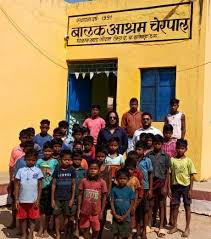
In the rugged, insurgency-scarred terrain of Bastar, Chhattisgarh—where Maoist shadows have long dimmed the spark of childhood—Dantewada district is scripting a quiet revolution through its Baal Mitra Programme. Launched in 2024, this initiative has birthed 169 Library-cum-Activity Centres (BLCACs) at the gram panchayat level, making Dantewada the first Indian district to blanket every village council with dedicated children’s libraries. Amid a literacy crisis—42% overall, dipping to 33% rural and 24% for females per the 2011 Census—these humble spaces stocked with Hindi, English, and tribal tongues like Gondi and Halbi are more than book repositories; they’re beacons of hope, fostering playful learning and school retention for 36,000 children. As the first phase activates 67 centres, with the rest by Republic Day 2026, this grassroots glow challenges conflict’s grip, blending community hands with NGO hearts to reignite Bastar’s educational embers.
Key Points:
- Programme Birth: 2024 launch; 169 centres across all panchayats—India’s first full coverage.
- Literacy Lowdown: 42% district rate; 33% rural, 24% female—insurgency’s toll.
- Reach & Stock: Serves 36,000 kids; multilingual books in Gondi (75% speakers)/Halbi (20%).
- Beyond Books: Activity hubs for retention; 67 live, 102 by Jan 26, 2026.
Launch and Backbone: A Collaborative Spark in Insurgency’s Wake
The Baal Mitra Programme ignited as a district administration brainchild, partnering with gram panchayats, Adivasi youth volunteers, and NGO Bachpan Banao for on-ground magic. No fancy builds—just revamped panchayat halls transformed into cozy reading nooks, proving resourcefulness trumps riches in remote reaches. A November 2025-January 2026 survey via Village Children Registers uncovered 36,000 kids: 32,000 in school (60% daily commuters, 40% hostels), leaving 4,000 (half dropouts, half never-enrolled) in need of nudges back to blackboards. Fellows—local Adivasi youth on two-year stipends of ₹6,000-8,000—run the show, doubling as mentors and mobilizers to weave libraries into village life.
Key Points:
- Partner Power: Admin-panchayat-NGO (Bachpan Banao) trio; no new builds—repurposed halls.
- Survey Spotlight: 36,000 kids mapped; 32,000 schooled, 4,000 off-track.
- Fellow Force: Adivasi youth stipended; mentor-mobilizer role.
- Resource Resilience: Low-cost glow in remote, rugged Bastar.
Daily Rhythm: Playful Pages and Tribal Tales in Action
These libraries hum from 2 hours weekdays to 4 on Saturdays, led by fellows who swap stiff syllabi for story circles and skill games in native tongues—sparking curiosity where Hindi-heavy schools once stifled. Books burst with colorful illustrations on health, hygiene, and nutrition, tackling taboos like menstruation amid 65% BPL families. Beyond reading, centres nurture mental health, chase documents for orphans (10% of kids), and rally parents (60% dads, 80% moms illiterate) for re-enrollments. In Kuakonda panchayat, sessions bubble with Gondi giggles over folktales, turning potential dropouts into eager explorers.
Key Points:
- Schedule Spark: 2 hrs weekdays, 4 on Saturdays; native-tongue activities.
- Content Color: Illustrated health/nutrition; taboo-tackling for 65% BPL kids.
- Holistic Hug: Mental support, doc hunts for 10% orphans; parent pulls.
- Kuakonda Glow: Gondi folktales; giggles over gaps.
Impact Waves: Enrollment Echoes and Literacy Lifelines
Already, fellows have funneled 500+ off-track kids back to classrooms, with centres bridging 20% of language barriers that once barred 75% Gondi speakers from Hindi hurdles. In a district where teachers from afar fumble tribal talk, these hubs humanize learning—boosting attendance 15% in pilot panchayats and weaving community threads for sustainable stay-ins. For Bastar’s 33,000 rural souls, it’s a dropout dam: 2,000 reintegrated, 2,000 newly nudged, proving libraries aren’t luxuries but lifelines in conflict’s crosshairs.
Key Points:
- Re-Entry Rush: 500+ back to school; 20% language barrier bust.
- Attendance Amp: 15% pilot rise; teacher-tribal talk bridge.
- Dropout Dam: 4,000 total target; 2k reintegrated, 2k new.
- Lifeline Loom: Community weave for stay-in sustainability.
Hurdles in the Hills: Poverty, Language, and Conflict’s Lingering Chill
Yet, shadows linger: 85% kids from poverty’s pinch, scraping for basics while schools stand distant. Language lags bite hard—2-5% first-tongue Hindi speakers amid Hindi mandates—while out-of-district teachers trip over dialects. Add conflict’s chill: orphans’ docs vanish, parents’ illiteracy (60-80%) stalls support, and mental scars from insurgency simmer unmet. Bachpan Banao’s Pranith Simha sums it: “These centres aren’t just books—they’re playful bridges in tribal tongues by local youth.”
Key Points:
- Poverty Pinch: 85% basics scramble; distant schools.
- Language Lash: 2-5% Hindi natives; teacher dialect trips.
- Conflict Chill: Orphan docs lost; 60-80% parent illiteracy.
- Simha Spark: “Playful bridges in tongues by youth.”
Success Symphony: Quotes and Anecdotes from the Frontlines
Zilla Panchayat CEO Jayant Nahata beams: “First district with panchayat kids’ libraries—fellows as instructors and workers for enrollment and mental health.” In Geedam, a fellow’s storytelling circle turned a shy dropout’s whispers to wide-eyed wonders, her family joining for first family reads. Bachpan Banao’s Simha adds: “Interest blooms in native languages—these aren’t book dumps, but activity havens by locals.” These tales, from 67 live centres, ripple: 32,000 schooled, 4,000 reclaimed, proving Bastar’s books beat bullets.
Key Points:
- Nahata Nod: “First district libraries; fellows for enrollment/mental.”
- Geedam Glow: Shy to story circle; family first reads.
- Simha Song: “Native interest; activity havens by locals.”
- Ripple Reach: 32k schooled, 4k reclaimed—books over bullets.
Broader Blueprints: Bastar’s Model for India’s Shadowed Zones
Dantewada’s blueprint—local-led, language-loving—could light 50+ insurgency pockets, from Jharkhand’s jungles to Kashmir’s vales, where 30% tribal literacy lags. By blending NGOs, panchayats, and youth, it scales sustainably, inspiring NEP’s community tie-ins and proving conflict zones crave not conquest, but curiosity. As centres multiply to 169 by Republic Day, Bastar’s kids aren’t just reading—they’re rewriting resilience.
Key Points:
- Model Map: 50+ shadow zones; Jharkhand/Kashmir cue.
- Scale Secret: NGO-panchayat-youth blend; NEP community nod.
- Curiosity Conquest: Conflict craves wonder over war.
- Resilience Rewrite: 169 by RD; kids’ story surge.