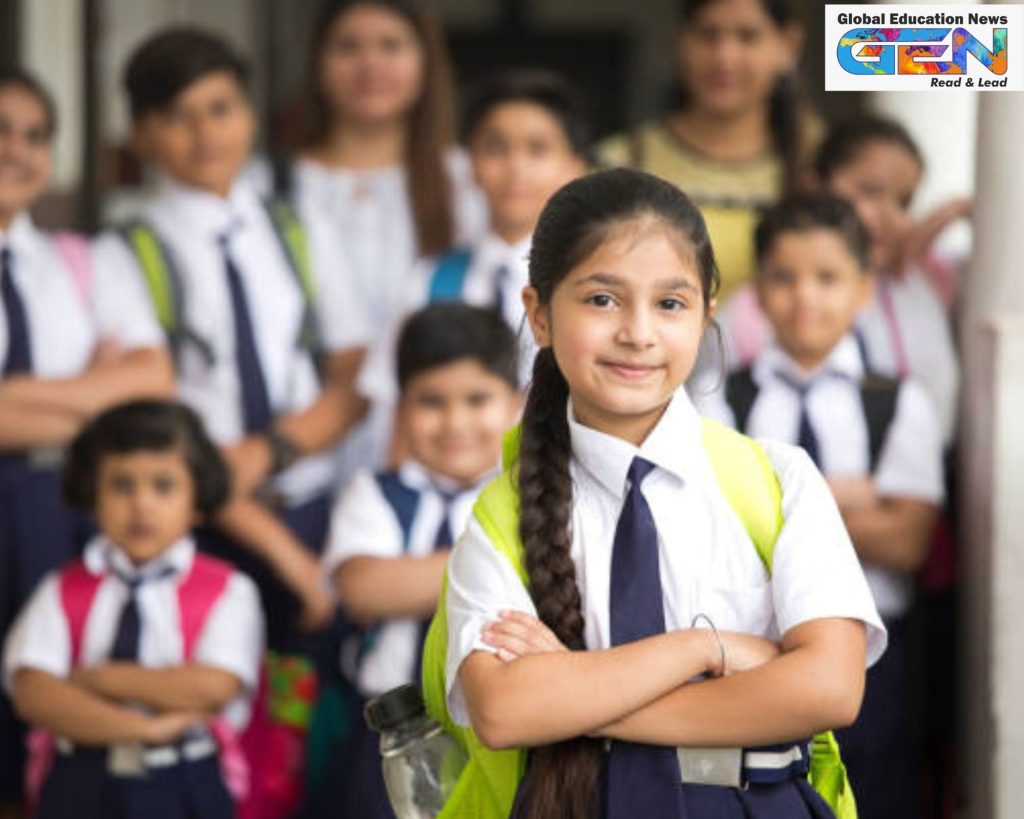
India’s education system is on the cusp of a game-changing transformation! The Central Board of Secondary Education (CBSE), guiding over 30,000 schools, has unleashed a bold directive to make mother tongue the heart of early education from pre-primary to Class 5. Picture classrooms buzzing with kids learning math, science, and stories in the language they giggle in at home. Rooted in the National Education Policy (NEP) 2020 and the National Curriculum Framework for School Education (NCFSE) 2023, this move is set to make learning fun, inclusive, and deeply meaningful.
Why Mother Tongue is a Superpower for Kids
- Cognitive Boost: Kids learn faster and grasp concepts better in their home language, especially up to age eight.
- Confidence Builder: Speaking and learning in a familiar tongue helps kids express ideas boldly, reducing classroom anxiety.
- Cultural Connect: Mother tongue education ties kids to their roots, fostering pride in their heritage.
Ever watched a child struggle with English-medium textbooks when their home is filled with Hindi, Tamil, or Assamese? CBSE’s initiative flips the script, making education feel like a warm hug from home. Studies show that early learning in the mother tongue skyrockets understanding and retention, turning complex subjects like math into a breeze. It’s not just about academics—it’s about letting kids shine in a language they love.
CBSE’s Master Plan to Make It Happen
- Language Mapping Mission: Schools are racing to map students’ mother tongues to tailor classroom experiences.
- Curriculum Makeover: By summer’s end, schools will revamp resources to teach in regional languages or home tongues.
- Teacher Power-Up: Educators will get training in multilingual teaching to make lessons vibrant and effective.
- Progress Checkpoints: Monthly reports and academic observers will keep the transition on track starting July.
CBSE isn’t just dreaming big—they’re laying down a clear roadmap. Schools must form NCF Implementation Committees by May’s end to ensure everything from textbooks to teaching aligns with this vision. While elite schools might glide through, smaller ones get extra time to adapt, ensuring no child is left behind in this linguistic leap.
Challenges? Yes. Opportunities? Endless!
- Resource Crunch: Creating quality textbooks in dozens of languages is a massive task, but NCERT’s got 22 scheduled languages covered for 2024-25.
- Teacher Readiness: Educators need training to master subject-specific terms in regional languages.
- Balancing Act: Preparing kids for English-heavy higher education while rooted in their mother tongue is tricky but doable.
This isn’t a walk in the park. Developing materials in languages like Bodo or Tulu takes effort, and teachers need to level up their skills. But the rewards? Lower dropout rates, better grades, and a fairer education system where every kid, no matter their background, gets a shot at success. Plus, a sprinkle of English exposure in Classes 3-5 ensures they’re global-ready.
Celebrating India’s Linguistic Fiesta
- Rich Diversity: India’s 576 documented languages are a treasure, and CBSE’s move celebrates this vibrant mosaic.
- Primer Power: 52 entry-level primers in languages like Bhutia and Manipuri are already boosting early literacy.
- Multilingual Vision: CBSE’s push builds on its 2023 call to offer Schedule 8 languages up to Class 12.
India’s a linguistic wonderland, and CBSE’s embracing it with open arms. From primers to full-fledged curricula, the board is weaving mother tongues into the fabric of education. This isn’t just about learning—it’s about preserving the soul of India’s diverse cultures while preparing kids for a bright future.
What Do Schools and Parents Think?
- Principals’ Take: Some cheer the child-centric shift; others worry about the leap to English-medium higher grades.
- Parents’ Pulse: Many love the cultural focus but want kids prepped for a global, English-driven world.
- CBSE’s Balance: Introducing a second language (R2) in Classes 3-5 ensures kids get the best of both worlds.
The buzz is real! Principals see this as a chance to make learning joyful, especially for kids from non-English-speaking homes. Parents, though, are split—some dream of their kids mastering their mother tongue, while others eye English fluency. CBSE’s flexible framework promises to keep everyone happy, blending local pride with global skills.
A Bright, Inclusive Future Awaits
CBSE’s mother tongue revolution is more than a policy—it’s a love letter to India’s kids. By making education accessible, engaging, and rooted in culture, this initiative is set to unlock the potential of millions. As schools map languages, train teachers, and roll out new curricula, India’s classrooms are gearing up to be vibrant hubs of learning and pride.
Ready to see a generation of confident, capable kids who learn in the language of their hearts? CBSE’s bold move is lighting the way, one mother tongue at a time.