Published on November 13, 2025
Delhi, India
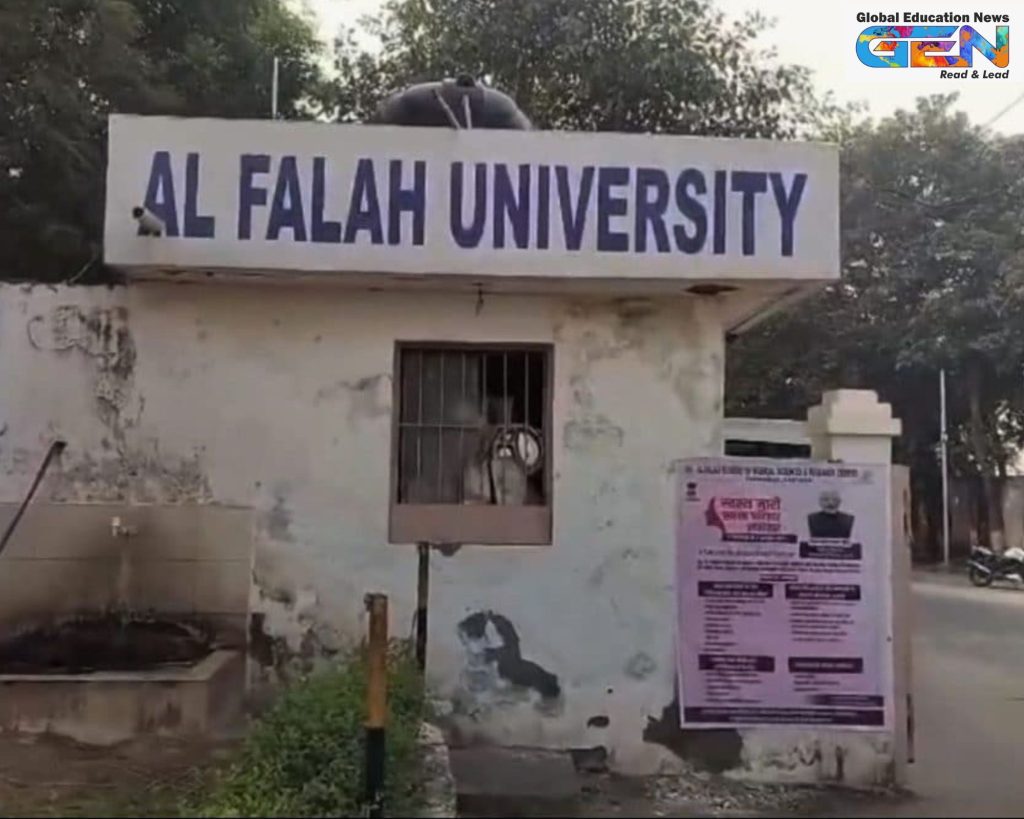
As of November 13, 2025, Al-Falah University in Faridabad, Haryana, finds itself at the epicenter of a dual crisis: a shocking connection to the tragic Red Fort blast in Delhi and a stern show-cause notice from the National Assessment and Accreditation Council (NAAC) over fabricated accreditation credentials. This development, reported across major outlets, underscores vulnerabilities in India’s higher education ecosystem, where minority institutions like Al-Falah—once hailed as a beacon for Muslim students—now grapple with allegations of terror financing and deceptive marketing. In this in-depth analysis, we break down the timeline, stakeholders, and far-reaching consequences, drawing from official statements, investigative reports, and expert insights to provide a clear, evidence-based narrative.
The Red Fort Blast: A Timeline of Terror and University Ties
The blast, occurring at 6:52 PM on November 13 near Delhi’s iconic Red Fort, was no isolated incident but the culmination of a meticulously planned “white collar terror module.” A slow-moving Hyundai i20 exploded with high-intensity force, claiming 13 lives and injuring dozens, marking one of the capital’s deadliest attacks in recent years.
Key Points:
- Immediate Aftermath: Delhi Police’s bomb disposal squad and National Investigation Agency (NIA) swiftly responded, confirming the vehicle’s explosives and tracing its origins to Al-Falah University premises, where it had been parked for 10 days.
- Arrests and Suspects: Eight individuals detained, including three doctors affiliated with Al-Falah: Dr. Umar Mohammad (assistant professor, driver of the explosive car), Dr. Muzammil Ganaie, and others. Diaries seized from Building 17, Room 13 at the university revealed coded plans linking to Jaish-e-Mohammed (JeM).
- Expanding Probe: A third vehicle, a Maruti Brezza, was recovered from university grounds, alongside evidence of financial trails. The founder, Javed Ahmed Siddiqui, faces renewed scrutiny due to his 2018 conviction in a Rs 7.5 crore fraud case involving nine firms.
- University’s Role: Faridabad Police raided the campus, with bomb squads combing facilities; the site emerged as a “terror den” for plotting, raising questions about oversight in a institution serving over 5,000 minority students.
This connection has amplified national security concerns, with experts linking it to a broader “terror ecosystem” spanning Jammu & Kashmir and Haryana.
NAAC’s Show-Cause Notice: Unpacking the False Accreditation Allegations
Simultaneously, on November 13, NAAC—an autonomous body under the University Grants Commission (UGC)—issued a formal notice to Al-Falah for “misleading” claims on its website, which was abruptly taken down hours later. The university, established in 1997 as an engineering college and elevated to full status in 2014 under the Haryana Private Universities Act, positioned itself as a premier minority alternative to institutions like Aligarh Muslim University.
Key Points:
- Specific Misrepresentations: The site falsely advertised “A-grade” NAAC accreditation for the Al-Falah School of Engineering and Technology (claimed since 1997) and School of Education and Training (since 2006). In reality, these expired in 2018 and 2016, respectively, and the university itself has never applied for assessment.
- NAAC’s Directives: The notice demands an immediate explanation, removal of all false claims from digital and print materials, and warns of potential de-recognition or legal action for deceiving stakeholders like parents and students.
- Historical Context: While Al-Falah School of Engineering held valid A-category status in 2013, post-university merger lapses occurred. NAAC verified no ongoing applications, labeling the claims a deliberate “misrepresentation.”
- University Response: As of now, Al-Falah has not issued a public statement, though sources indicate internal compliance efforts amid the website blackout.
This episode exposes gaps in self-regulation, with NAAC emphasizing its role in upholding quality amid rising private university numbers (over 400 in India).
Broader Implications: Security, Credibility, and Reforms in Indian Academia
The convergence of terror allegations and accreditation fraud at Al-Falah signals deeper systemic issues, potentially eroding trust in minority-focused institutions and prompting regulatory overhauls.
Key Points:
- Security Ramifications: The blast’s ties to educated professionals (doctors, professors) highlight radicalization risks in campuses, urging enhanced intelligence-sharing between police and UGC. Coordinated raids in J&K suggest a multi-state network.
- Accreditation Integrity: False claims undermine NAAC’s credibility, affecting enrollment (Al-Falah boasts ties to medical and vocational programs). Experts call for AI-driven monitoring of institutional websites and mandatory annual audits.
- Socio-Economic Fallout: As a minority institution, the scandal could deter admissions from underserved communities, exacerbating educational inequities. Financial probes into Siddiqui’s ventures may lead to asset freezes.
- Policy Recommendations: Stakeholders advocate for UGC-NAAC integration for real-time verification and terror-watch protocols in accreditation cycles, preventing “white collar” threats from infiltrating academia.