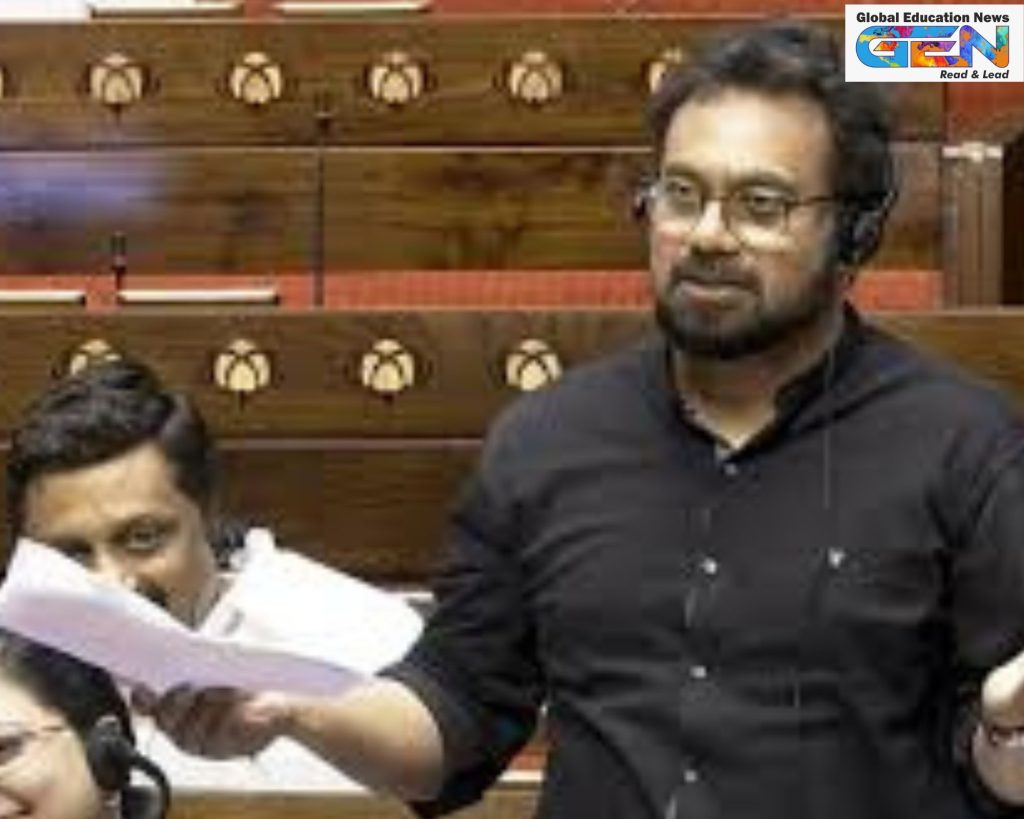
As India’s Winter Session of Parliament heats up on December 10, 2025, a sharp voice from the Left cuts through the din: CPI(M) MP John Brittas has penned a urgent letter to heavyweights Kiren Rijiju and Dharmendra Pradhan, slamming the brakes on the Higher Education Commission of India (HECI) Bill, 2025. This isn’t knee-jerk opposition—it’s a cry for caution in a sector already reeling from NEP 2020’s ambitious overhauls. With the bill poised to dismantle relics like UGC, AICTE, and NCTE in favor of a single super-regulator, Brittas warns of a power grab that could erode university independence, strain federal ties, and choke public funding. In an era where 4 crore+ students chase degrees amid rising privatization, is this reform a leap forward or a lunge into uncertainty? Let’s unpack the stakes, the snags, and the path to smarter scrutiny.
The Bill at the Brink: What HECI Aims to Shake Up in Indian Higher Ed
Slated for tabling this session, the HECI Bill isn’t starting from scratch—it’s NEP 2020’s bold baby, dreaming of a streamlined overlord to unify fragmented oversight. But as Brittas notes, it’s shrouded in secrecy, fueling fears it prioritizes central control over collaborative growth in a diverse nation of 1,000+ universities.
- Core Overhaul: Ditches UGC (funding watchdog), AICTE (tech gatekeeper), and NCTE (teacher certifier) for one HECI beast—handling grants, standards, and accreditation to cut red tape and boost global rankings.
- NEP Roots: Echoes policy’s push for “light-touch” regulation and multidisciplinary vibes, but critics like Brittas see shadows of overreach in funding strings and curriculum curbs.
- Scale of Impact: Affects 4.3 crore enrollments, from IITs to state colleges—potential for Rs 1 lakh crore+ in redirected funds, but risks sidelining regional needs in a federal setup.
- Session Spotlight: Lok Sabha bulletin lists it for intro, but no public draft yet—Brittas calls this “rushed,” urging a pause to avoid echoes of past ed-law fumbles like the 2019 UGC tweaks.
This blueprint could modernize a creaky system lagging at 28% GER, but without buy-in, it risks backlash from states guarding their 60% share of public unis.
Brittas’ Battle Cry: Key Concerns Fueling the Call for Caution
In his missive, the Kerala MP doesn’t mince words—labeling the bill a “far-reaching” disruptor that’s blind to voices on the ground. His plea spotlights a consultation vacuum that’s all too common in Delhi’s policy playbook, potentially dooming reforms to court battles and campus unrest.
- Stakeholder Silence: Draft hidden from public eye; zero “meaningful” huddles with states, unis, faculty unions, or student reps—Brittas: “Key stakeholders… have not been meaningfully consulted.”
- Autonomy Alert: Fears HECI could morph into a central puppeteer, meddling in academic freedom and state uni ops, clashing with federalism where education’s a concurrent list hot potato.
- Funding Fears: Public cash flows at risk—could tilt toward elite privates, squeezing underfunded state institutions serving 70% rural/low-income kids.
- Broader Backlash: Echoes 2024’s UGC fee cap row; without checks, it might spark protests like the 2019 citizenship ed stirs, eroding trust in NEP’s equity promises.
Brittas’ bottom line? “I most earnestly urge the government not to proceed… Should the government choose to proceed, it is imperative… that the Bill be referred to a Joint Parliamentary Committee.”
Paths to Progress: JPC or Stall? Implications for Students and States
Government silence so far leaves the ball in Rijiju-Pradhan’s court, but history hints at wiggle room—recall the 2020 farm laws’ JPC detour. A referral could greenlight 3-6 months of hearings, turning controversy into consensus and aligning HECI with global models like the UK’s lighter OfS touch.
- JPC Pros: Wide nets for inputs—states like Tamil Nadu (fierce on autonomy) and student bodies could shape safeguards, potentially hiking GER to 50% by 2035 sans strife.
- Stall Risks: Delays NEP rollout, but buys time for pilots; opposition parties may rally, turning it into a session showdown.
- Student Stakes: For the 2 crore+ undergrads, it’s about affordable access—strong HECI could fund scholarships, but weak ones invite profiteering.
- State Spotlights: Federal friction looms; Andhra’s recent uni mergers show central nudges can backfire, demanding balanced power-sharing.
As ed-min budgets swell to Rs 1.25 lakh crore, this bill’s fate could define NEP’s legacy—empowerment or encroachment? Brittas’ stand spotlights a truth: True reform thrives on dialogue, not decrees.