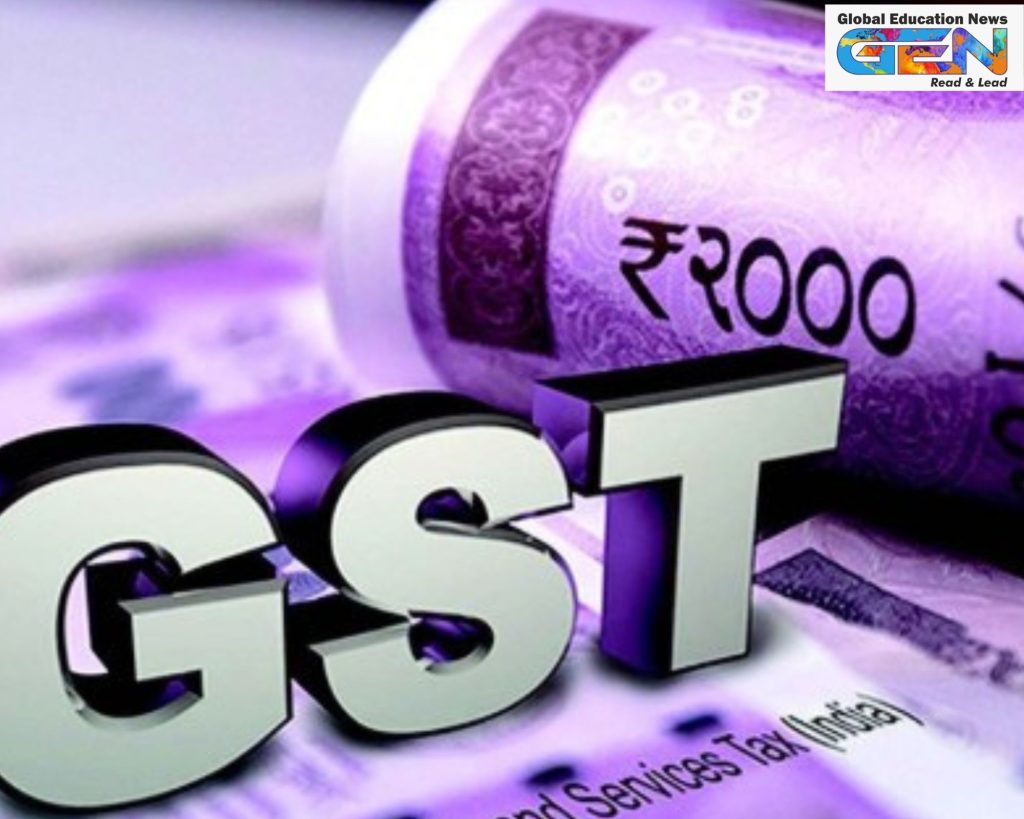
Announced on September 3, 2025, during the GST Council’s 56th meeting in New Delhi, GST 2.0 introduces a simplified tax structure with two main slabs (5% and 18%) and a 40% demerit rate for luxury and sin goods, effective September 22, 2025. Led by Union Finance Minister Nirmala Sitharaman, the reform reduces taxes on over 100 daily-use items, making essentials like food, stationery, and small vehicles cheaper, while increasing rates on luxury goods and entertainment. Here’s the complete list of what’s cheaper and costlier, impacting households, students, and businesses.
Key Points:
- New Slabs: Replaces 5%, 12%, 18%, and 28% slabs with 5% (essentials), 18% (standard), and 40% (luxury/sin goods); 0% for select essentials.
- Cheaper Items: Notebooks, milk, small cars, TVs, and clothing up to ₹2,500 see significant tax cuts.
- Costlier Items: Large SUVs, tobacco, carbonated drinks, and cricket tickets face higher taxes.
- Economic Impact: Expected to boost consumption by ₹5.31 lakh crore (~1.6% of GDP), with a revenue loss of ₹48,000–93,000 crore.
This “historic” reform, as praised by PM Narendra Modi, supports Atmanirbhar Bharat by easing costs for the common man.
0% GST: Tax-Free Essentials for Households
The 0% GST slab exempts key daily-use items, offering major savings for families, students, and low-income groups preparing for CBSE board exams 2026 and daily expenses.
Key Points:
- Food Items: Paneer, UHT milk, pre-packaged pizza bread, khakhra, chapati, roti (down from 5–12%).
- Stationery: Notebooks, exercise books, graph books, lab notebooks, pencils, sharpeners, erasers, crayons, charcoal sticks, blackboard chalk (down from 12%).
- Health Products: Individual health/life insurance (term, ULIP, family floaters, senior citizen policies), 33 life-saving drugs (e.g., cancer medicines, rare disease drugs) (down from 5–18%).
- Impact: Parents save on school supplies for Class 10 and 12 students, and households benefit from cheaper food staples.
Cheaper Items: These tax exemptions make back-to-school shopping and daily groceries more affordable, especially for low-income families.
5% GST: Daily Essentials Get a Price Cut
The 5% slab covers a wide range of household, educational, and agricultural items, reducing costs for the middle class, students, and farmers.
Key Points:
- Food Items: Vegetable fats/oils, butter, ghee, cheese, soya milk, fruit juices, coconut water, pasta, cornflakes, noodles, biscuits, malt extract (non-cocoa), jams, jellies, marmalade, dry fruits, nuts, branded namkeens, instant coffee (down from 12–18%).
- Consumer Goods: Hair oil, shampoo, toothpaste, toothbrushes, dental floss, toilet soap, shaving cream/lotion, aftershave, talcum powder, tableware/kitchenware (wood, iron, copper, aluminum, plastic), feeding bottles, plastic beads, bicycles, non-motorized tricycles (down from 12–18%).
- Stationery: Geometry boxes, mathematical boxes, color boxes, stationery pouches/wallets (down from 12%).
- Health Products: Thermometers, diagnostic kits, glucometers, medical-grade oxygen, hydrogen peroxide, corrective spectacles, medical/surgical rubber gloves, all medicines (down from 12–18%).
- Textiles and Clothing: Synthetic threads, non-woven fabrics, sewing threads, staple fibers, apparel/footwear up to ₹2,500, carpets, gauze, yarn (down from 12–18%).
- Handicrafts and Art: Carved art products (wood, stone, metal, cork), handmade paper/paperboard, handicraft lamps, paintings, sculptures, antiques (down from 12%).
- Leather and Construction: Finished leather, leather goods, gloves, tiles, bricks, stone inlay work (down from 12%).
- Agriculture and Energy: Tractors, agricultural/horticultural machinery (e.g., composting, harvesting machines), solar cookers/water heaters, biogas/wind/solar panels, fuel cell vehicles, biopesticides (down from 12–18%).
- Services: Hotel accommodation (≤₹7,500/day), cinema tickets (≤₹100), beauty services (salons, yoga, fitness centers), job work (e.g., pharmaceuticals, printing) (down from 12–18%).
- Impact: Students save on CBSE exam supplies, households benefit from cheaper essentials, and farmers gain from lower agricultural equipment costs.
Cheaper Items: These reductions lower expenses for NEET, JEE, and UPSC aspirants, middle-class families, and rural communities.
18% GST: Mixed Impact on Consumer Goods and Services
The 18% slab includes standard goods and services, with some items becoming cheaper (down from 28%) and others costlier (up from 12%).
Key Points:
- Vehicles: Small cars (≤1,200cc petrol, ≤1,500cc diesel, ≤4m), motorcycles ≤350cc, three-wheelers, ambulances, buses, trucks, auto parts, tires, rowing boats/canoes, tractors (except >1,800cc) (down from 28%).
- Consumer Durables: TVs, air conditioners, dishwashers (down from 28%).
- Construction: Portland, slag, hydraulic cement (down from 28%).
- Services: Higher education, professional coaching (UPSC, NEET, JEE), online courses (unchanged at 18%); cricket match tickets, business-class air travel (up from 12%).
- Other Goods: Graphic paper, paper sacks/biodegradable bags (mixed impact from 12–18%), mobile phones, detergents, household insecticides (unchanged at 18%).
- Impact: Small cars (e.g., Maruti Swift), bikes (e.g., Hero Splendor), and appliances like TVs are cheaper (5–7% price reduction), but cricket tickets and air travel are costlier, affecting leisure budgets.
Cheaper Items: Small vehicles and consumer durables.
Costlier Items: Cricket tickets, business-class travel.
40% GST: Luxury and Sin Goods Face Higher Taxes
The 40% demerit slab targets luxury and sin goods, increasing costs to fund welfare programs like education and health.
Key Points:
- Tobacco and Beverages: Cigarettes, cigars, pan masala, gutkha, zarda, carbonated/caffeinated drinks (e.g., Coca-Cola, Pepsi) (up from 28%, effective after cess loans cleared).
- Vehicles: Motorcycles >350cc (e.g., Royal Enfield Classic), large SUVs, premium cars (>1,200cc petrol, >1,500cc diesel, >4m), hybrids exceeding limits, racing cars, yachts, personal aircraft (up from 28%).
- Entertainment: Casino/race club entry, betting, gambling, horse racing, lotteries, online gaming (up from 28%).
- Impact: These items are costlier, discouraging luxury spending while generating revenue for public welfare.
Costlier Items: Premium vehicles, tobacco, carbonated drinks, and entertainment services.
Unchanged Items: No Impact on Key Categories
Some items remain unaffected by GST 2.0, maintaining stability for specific sectors.
Key Points:
- Jewellery: Gold and silver at 3% GST, with 5% on making charges.
- Petroleum: Petrol, diesel, and crude remain outside GST.
- Coal and Energy: Coal, lignite, peat merged with compensation cess at 18% (from 5% + cess), no net increase in electricity bills.
- Education: Primary/secondary school fees remain GST-exempt; higher education/coaching stays at 18%.
- Impact: No direct changes for these categories, but coaching fees continue to burden UPSC/NEET/JEE aspirants.
Unchanged Items: Jewellery, petroleum, school fees.
Implications for Consumers and Businesses
GST 2.0 delivers significant savings on daily essentials, supporting students, households, and farmers, while increasing taxes on luxury goods to fund welfare. The Confederation of Indian Industry (CII) and companies like Maruti Suzuki and HDFC Life praised the reforms for boosting demand and simplifying compliance.
Key Points:
- Savings for Households: Over 100 items, including stationery, food, and small vehicles, are cheaper, easing costs for CBSE board exam students and families.
- Business Benefits: Simplified slabs reduce compliance costs for MSMEs, with tax cuts on job work boosting small industries.
- Leisure Costs: Higher taxes on cricket tickets and luxury entertainment impact high-income groups.
- Economic Boost: Increased consumption (₹5.31 lakh crore) could fund education and health initiatives, indirectly benefiting students.
The reform aligns with Atmanirbhar Bharat, balancing affordability and fiscal sustainability.