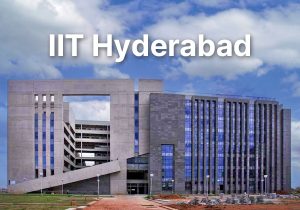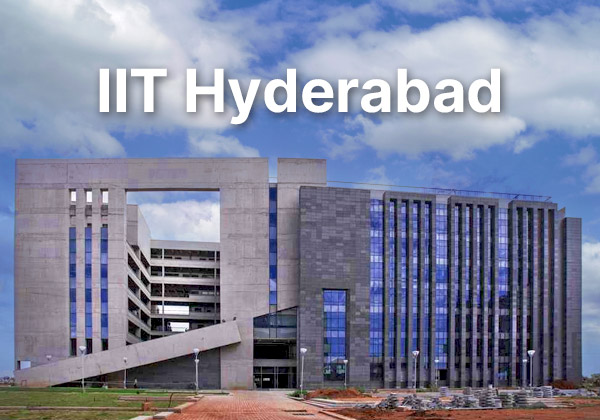
The Indian Institute of Technology Hyderabad (IIT Hyderabad) has launched a specialized Nuclear Technology Orientation Programme, marking a significant step toward developing skilled professionals for India’s rapidly evolving nuclear energy sector. The three-month residential programme has been introduced in collaboration with Crimson Energy Experts Pvt Ltd and is scheduled to begin in August 2026. It is designed to provide engineers and professionals with a comprehensive understanding of nuclear power technologies, plant operations, safety systems, and industry practices.
While engineering education in India has traditionally focused on fields such as computer science, electronics, mechanical engineering, and data science, the launch of a dedicated nuclear technology programme reflects changing national priorities in energy security, sustainability, and technological self-reliance.
The initiative arrives at a time when governments worldwide are increasingly reconsidering nuclear energy as a critical component of clean energy transitions.
Why Nuclear Energy Is Back in Global Discussions
For decades, discussions around renewable energy largely focused on solar and wind power. However, growing electricity demand, climate commitments, and concerns about energy reliability have prompted many countries to revisit nuclear power.
Unlike solar and wind energy, nuclear power can provide continuous electricity generation regardless of weather conditions. As nations seek low-carbon energy sources capable of supporting industrial growth and expanding urban populations, nuclear energy is once again gaining strategic importance.
India has also announced ambitious long-term plans to significantly expand its nuclear power generation capacity over the coming decades. Experts believe that achieving these goals will require not only technological investments but also a highly trained workforce capable of designing, operating, and managing advanced nuclear facilities.
Why IIT Hyderabad’s Programme Matters
The significance of the programme extends beyond a single academic offering.
Building a Specialized Talent Pipeline
India’s nuclear sector has traditionally depended on a relatively limited pool of specialists. As the industry expands, demand is expected to increase for professionals trained in:
- Nuclear engineering
- Reactor systems
- Radiation safety
- Plant operations
- Energy management
- Nuclear regulations
- Advanced materials and design
The programme aims to bridge this gap by introducing participants to the technical and operational aspects of nuclear technologies.
Industry-Oriented Learning
Unlike many conventional academic courses, the programme focuses on practical exposure and industry relevance. Participants will gain insights into real-world nuclear power operations and emerging developments in the sector.
Supporting National Energy Goals
As India pursues energy diversification and cleaner electricity generation, workforce development becomes a critical component of national energy planning.
The programme aligns with broader efforts to create technical expertise that can support future nuclear infrastructure projects.
The Emerging Career Opportunities in Nuclear Technology
For students and professionals, nuclear technology represents a relatively underexplored but potentially high-impact career pathway.
Growing opportunities are expected in areas such as:
Nuclear Power Generation
Operation, maintenance, and management of nuclear power facilities.
Nuclear Safety and Regulation
Ensuring compliance with national and international safety standards.
Research and Development
Advanced reactor technologies, materials science, and next-generation energy systems.
Industrial Applications
Use of nuclear technologies in manufacturing, quality control, and specialized industrial processes.
Healthcare and Medical Technologies
Radiation-based diagnostic and treatment systems continue to create demand for technical expertise.
As energy systems become more sophisticated, interdisciplinary skills combining engineering, data analytics, automation, and energy management are likely to become increasingly valuable.
A Broader Trend in Higher Education
The launch of the programme also reflects a larger transformation occurring across India’s higher education landscape.
Universities and institutes are increasingly moving beyond traditional disciplines and introducing programmes linked to emerging sectors such as:
- Artificial Intelligence
- Semiconductor Technology
- Quantum Computing
- Sustainability Engineering
- Climate Technologies
- Advanced Manufacturing
- Nuclear Energy
The objective is clear: prepare students not just for today’s jobs, but for industries expected to shape the next several decades.
Recent initiatives across leading institutions indicate that future-focused and interdisciplinary programmes are becoming a central part of India’s higher education strategy.
IIT Hyderabad’s Expanding Innovation Ecosystem
The new programme is consistent with IIT Hyderabad’s broader emphasis on innovation, industry partnerships, and emerging technologies.
In recent years, the institute has expanded its focus on interdisciplinary research, global collaborations, advanced technology centres, and future-oriented educational initiatives. The institution has also strengthened partnerships with industry and international organizations to support research, innovation, and talent development.
The nuclear technology initiative further strengthens the institute’s role in addressing national technological priorities.
Challenges Ahead
Despite growing interest in nuclear energy, challenges remain.
Awareness Gap
Many students remain unfamiliar with career opportunities in nuclear science and engineering compared to more popular fields such as software development and artificial intelligence.
Specialized Training Requirements
Nuclear technologies require rigorous technical education, safety training, and regulatory understanding.
Public Perception
Nuclear energy continues to generate debate regarding safety, environmental impact, and long-term sustainability.
Addressing these challenges will require greater educational outreach, research investment, and industry-academia collaboration.
What This Means for Students
For engineering graduates and professionals seeking careers beyond traditional sectors, nuclear technology offers an opportunity to enter a field closely linked to national infrastructure, clean energy development, and advanced scientific innovation.
As India’s energy demands continue to rise and the country invests in diversified energy sources, professionals with expertise in nuclear systems may find themselves at the centre of one of the most important technological transitions of the coming decades.
The launch of IIT Hyderabad’s Nuclear Technology Orientation Programme suggests that higher education institutions are beginning to prepare for that future.