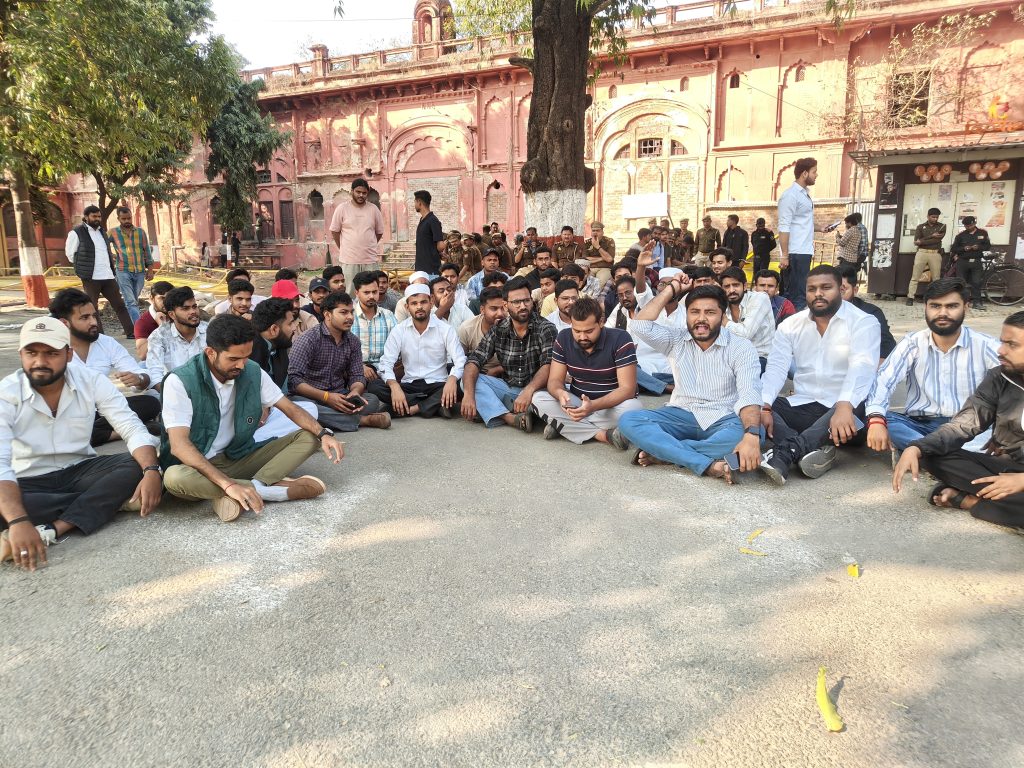
Universities have long served as spaces where academic learning intersects with social and democratic engagement. In recent weeks, Lucknow University has become the centre of a growing controversy as students continue protesting against a fee hike, alleged administrative indifference, and the expulsion of student activists. The issue has attracted support from several student groups, former university officials, and political leaders, transforming what initially appeared to be a campus-specific dispute into a broader discussion about higher education in India.
At the heart of the agitation are two questions that resonate far beyond Lucknow: How affordable should higher education be, and how should universities respond when students oppose administrative decisions?
What Triggered the Protest?
The unrest reportedly began after students raised concerns regarding fee increases in certain courses and other campus-related issues. The situation escalated when disciplinary action was taken against some students who were allegedly involved in protests against the university administration. Student groups argue that the action was excessive and has intensified dissatisfaction on campus. University authorities, on the other hand, maintain that disciplinary measures were linked to violations of campus rules rather than the expression of dissent itself.
As protests expanded, students organized sit-ins and public meetings, demanding a rollback of the fee hike and reconsideration of disciplinary actions. The movement has since attracted attention from various student organizations and public figures.
The Growing Challenge of Affordability in Higher Education
The Lucknow University dispute reflects a concern that is increasingly visible across India’s higher education landscape: rising educational costs.
For many students, particularly those from middle-class and economically weaker backgrounds, even moderate fee increases can create significant financial pressure. Tuition fees are only one component of educational expenses. Students must also bear costs related to accommodation, transportation, study materials, technology, examination fees, and daily living expenses.
Key Concerns Raised by Students
- Rising tuition and academic fees
- Increasing financial burden on families
- Lack of adequate consultation before fee revisions
- Fear of reduced access to higher education
- Concerns over disciplinary action against protesters
These concerns are not unique to Lucknow University and have surfaced periodically in universities across the country.
Student Activism and the Role of Campus Democracy
Universities have historically been important spaces for student participation and civic engagement.
Supporters of the protesting students argue that educational institutions should encourage dialogue and consultation rather than confrontation. They contend that students must have mechanisms to express concerns about policies that directly affect their academic and financial futures. Several groups supporting the protest have emphasized that peaceful dissent is an important aspect of democratic participation.
At the same time, university administrations face the challenge of maintaining academic functioning, discipline, and campus security while responding to student demands.
The balance between these two objectives often becomes one of the most difficult aspects of university governance.
Why Fee Hikes Are Becoming More Common
Universities across India are facing increasing financial pressures.
Some of the major factors contributing to rising costs include:
Infrastructure Expansion
Modern universities require upgraded laboratories, digital classrooms, research facilities, and campus infrastructure.
Technology Integration
The adoption of digital learning systems, online platforms, and advanced educational technologies involves significant investment.
Faculty and Administrative Costs
Recruitment, training, and retention of qualified faculty members remain major expenditure areas.
Research and Innovation
Universities are under growing pressure to improve research output, international collaborations, and innovation ecosystems.
As a result, many institutions seek additional revenue sources, often leading to fee revisions.
However, critics argue that such decisions should be accompanied by stronger scholarship systems and transparent stakeholder consultations.
The Expulsion Debate: Discipline Versus Representation
Perhaps the most contentious aspect of the Lucknow University controversy is the issue of student expulsions.
Those supporting the university administration argue that institutions must enforce rules and ensure that protests do not disrupt academic activities or campus operations.
Student groups, however, claim that harsh disciplinary measures can discourage participation and create a climate where students hesitate to raise legitimate concerns. Former university officials and public figures who have commented on the issue have called for dialogue and due process before imposing severe penalties.
The debate highlights a larger question facing higher education institutions nationwide: How can universities uphold discipline while preserving spaces for constructive criticism and student participation?
Lessons for Universities Across India
The developments at Lucknow University offer several important lessons for educational institutions.
Transparent Communication Matters
Students are more likely to accept difficult decisions when administrations clearly explain the reasons behind them.
Consultation Can Prevent Conflict
Engaging student representatives before implementing major policy changes may reduce tensions and build trust.
Financial Inclusion Must Remain a Priority
Fee revisions should be accompanied by scholarships, fee waivers, and support mechanisms for economically vulnerable students.
Dialogue Is Often More Effective Than Confrontation
Constructive engagement between students and administrators can help resolve disagreements before they escalate into prolonged conflicts.
The Bigger Picture: Access, Equity and the Future of Higher Education
The Lucknow University protests are ultimately about more than a fee increase or a disciplinary dispute.
They reflect broader concerns regarding:
- Accessibility of higher education
- Student participation in decision-making
- Financial sustainability of universities
- Equity and inclusion
- Campus governance
- Educational opportunities for future generations
As India aims to expand its higher education system and increase enrollment rates, policymakers and university administrators will need to ensure that growth does not come at the cost of affordability and accessibility.
Conclusion
The ongoing developments at Lucknow University have reignited a critical debate about the future of higher education in India. While universities must maintain institutional discipline and financial stability, students expect greater transparency, participation, and sensitivity to the economic realities they face.
Whether the immediate dispute results in a negotiated settlement or continues to evolve, its significance extends beyond a single campus. The controversy serves as a reminder that higher education is not merely about classrooms and examinations—it is also about creating institutions that remain accessible, inclusive, and responsive to the voices of the students they serve.
The outcome of this debate may influence how universities across India approach fee policies, student engagement, and campus governance in the years ahead.