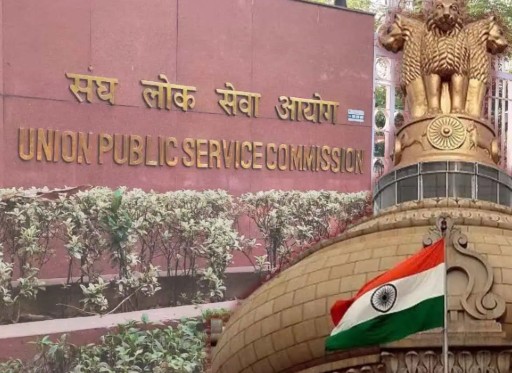
The UPSC Civil Services Examination (CSE)—one of India’s most prestigious and competitive exams—has once again found itself at the center of controversy. The focus this time is the Civil Services Aptitude Test (CSAT), with growing concerns that it may be impacting diversity and equal opportunity among aspirants.
The debate intensified after renewed political and academic discussions questioned whether the CSAT is creating an uneven playing field.
📊 What is CSAT and Why Does It Matter?
The Union Public Service Commission (UPSC) conducts the Civil Services Examination in three stages—Prelims, Mains, and Interview.
Since 2011, the Preliminary stage includes two papers:
- General Studies (GS Paper I) – determines merit
- CSAT (GS Paper II) – qualifying in nature
Candidates must score at least 33% (around 66 marks) in CSAT to have their GS paper evaluated.
The CSAT tests:
- Logical reasoning
- Reading comprehension
- Basic mathematics
- Decision-making ability
👉 While originally introduced to assess analytical skills, it has now become the focal point of a larger debate.
⚠️ Why is CSAT Facing Criticism in 2026?
1. Alleged Bias Toward Technical Backgrounds
Critics argue that CSAT’s math-heavy and reasoning-focused questions tend to favor candidates from engineering and science backgrounds.
Some data and observations suggest that a significant proportion of successful candidates come from technical streams, raising concerns about imbalanced representation.
2. Barrier to Diversity in Civil Services
The biggest concern is that CSAT may be limiting diversity in India’s bureaucracy.
- Humanities and arts students reportedly find the paper more challenging
- Non-English medium candidates face additional comprehension difficulties
- Declining representation of certain academic backgrounds has been highlighted
👉 Critics describe CSAT as a potential “barrier to diversity”, affecting inclusivity in civil services.
3. Increasing Difficulty Level
Aspirants have also pointed out that the difficulty level of CSAT has increased over time, making it harder to clear even though it is only a qualifying paper.
This has led to situations where:
- Candidates perform well in GS but fail CSAT
- Their GS answer sheets are not evaluated
🏛️ The Political & Policy Angle
The debate gained momentum after policymakers raised the issue in Parliament, calling for:
- Removal of CSAT from prelims
- Or reforms to make it more balanced
The argument is simple: a qualifying paper should not disproportionately eliminate candidates at the first stage itself.
📉 Impact on Aspirants
The CSAT controversy is not just theoretical—it directly affects lakhs of aspirants every year.
Key Concerns:
- Increased pressure on non-technical students
- Shift in preparation strategy toward aptitude skills
- Growing demand for coaching and specialized training
👉 Many aspirants now consider CSAT as a deciding factor, despite it being only qualifying.
🌍 The Larger Question: Merit vs Inclusivity
At the heart of the debate lies a critical question:
Should the civil services exam prioritize analytical aptitude or ensure academic diversity and inclusivity?
Two Perspectives:
✔ Supporters say:
- CSAT ensures officers have essential problem-solving skills
- Governance requires logical and analytical thinking
❌ Critics argue:
- Overemphasis on aptitude may exclude talented candidates from diverse backgrounds
- Civil services need social understanding, not just technical ability
🔄 Possible Reforms Being Discussed
Experts and policymakers have suggested several solutions:
- Reducing the difficulty level of CSAT
- Making it more balanced across disciplines
- Introducing separate evaluation criteria
- Replacing it with a more inclusive assessment model
📈 Why This Debate Matters Now
India is striving to build a bureaucracy that reflects its social, linguistic, and educational diversity.
If certain groups are systematically disadvantaged at the entry level, it could impact:
- Policy-making perspectives
- Administrative inclusivity
- Representation in governance