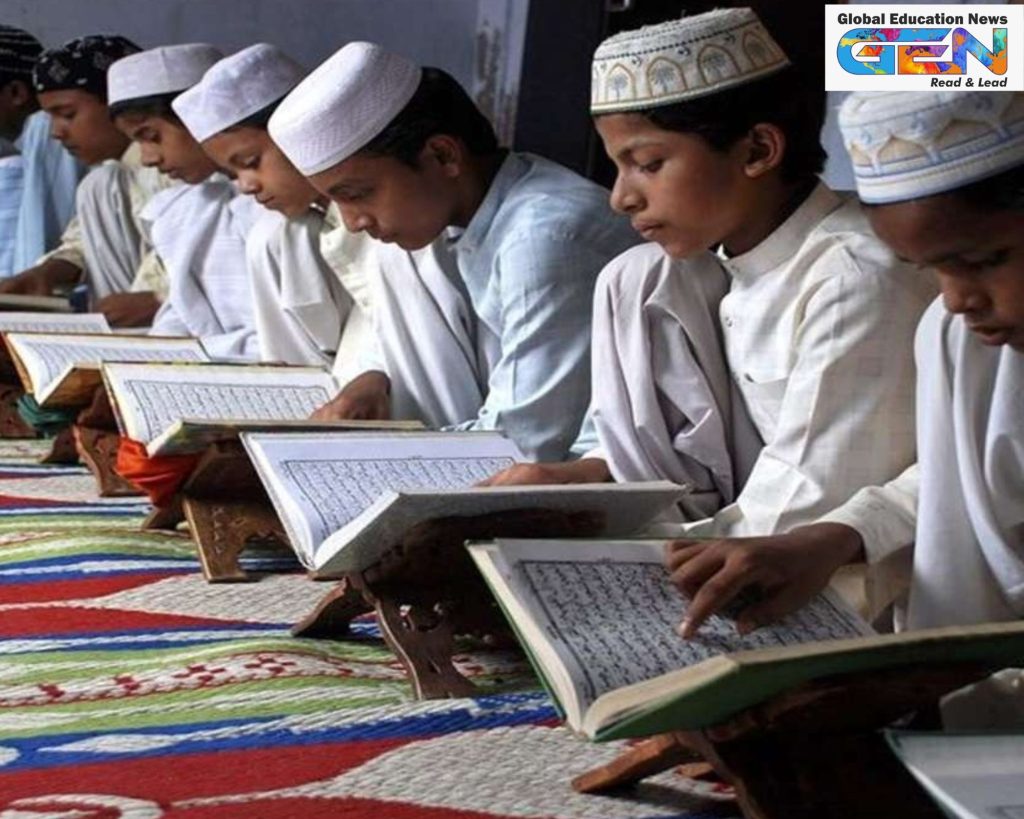
Imagine a world where tradition meets technology, where ancient wisdom blends with modern skills. That’s exactly what the Yogi Adityanath government is crafting for over 12 lakh students in Uttar Pradesh’s madrasas. With sweeping reforms to the Uttar Pradesh Board of Madrasa Education Act, 2004, the state is redefining what madrasa education means in the 21st century. Buckle up as we dive into this exciting transformation that’s set to empower young minds and reshape futures!
A New Dawn for Madrasa Students
Key Points:
- Over 13,329 recognized madrasas to adopt modern curriculum.
- Focus on Hindi, English, science, and computer science up to Class 10.
- Aligning education with NCERT and SCERT syllabi for national standards.
The days of madrasa education being seen as isolated are over! The Yogi government is rolling out a bold plan to integrate modern subjects into the curriculum, ensuring students are ready to ace competitive exams and thrive in diverse careers. From mastering English for global opportunities to coding in computer labs, these reforms are all about unlocking potential.
Tech Meets Tradition: What’s Changing?
Key Points:
- Mandatory science labs and computer labs in every recognized madrasa.
- Digitalized mark sheets for transparency.
- Teacher training programs to embrace modern teaching methods.
Picture this: madrasa students coding apps, conducting experiments in sleek science labs, and accessing digital records with ease. The government is mandating science and computer labs to give students hands-on experience in STEM fields. Plus, digitized systems and teacher training will bring modern pedagogy to the classroom, making learning dynamic and future-ready.
Why These Reforms Are a Game-Changer
Key Points:
- Empowers students for competitive exams and job markets.
- Bridges the gap between madrasa and mainstream education.
- Enhances employability through language and tech skills.
These reforms aren’t just about adding subjects—they’re about opening doors. By teaching Hindi and English, students will communicate confidently in a globalized world. Computer science and science education will prepare them for careers in technology, engineering, and beyond. Aligning with NCERT and SCERT syllabi means madrasa students can seamlessly transition to higher education or professional paths.
Balancing Heritage and Progress
Key Points:
- Reforms respect minority education rights while modernizing.
- Committee led by Minority Welfare Department to ensure smooth rollout.
- No Sanskrit in curriculum yet, focusing on core modern subjects.
Change isn’t always easy, and these reforms have sparked debate. Some cheer the push for inclusive education, while others worry about preserving madrasa identity. The government is walking a tightrope, ensuring cultural heritage is respected while equipping students for the modern world. A dedicated committee is steering the process, with plans soon heading to the state cabinet for approval.
The Bigger Picture: A Brighter Future
Key Points:
- Impacts 9,979 primary and 3,350 secondary madrasas.
- Sets a precedent for modernizing minority education across India.
- Political significance with elections looming.
With 12.35 lakh students set to benefit, these reforms are a landmark move for Uttar Pradesh. They signal a commitment to inclusive growth and could inspire similar changes nationwide. As the state gears up for elections, the spotlight is on how these changes will shape perceptions of Yogi Adityanath’s education policy.
What’s Next?
The road ahead is exciting! As madrasas embrace digital literacy, scientific learning, and language proficiency, students are being armed with the tools to dream big. Whether it’s cracking IIT exams, building tech startups, or leading in global forums, the future is bright for Uttar Pradesh’s madrasa students. Stay tuned as this transformation unfolds, redefining madrasa education for a new generation!