New authority aims to ensure equal recognition, transparent governance, and NEP-aligned quality education for institutions run by all notified minority communities
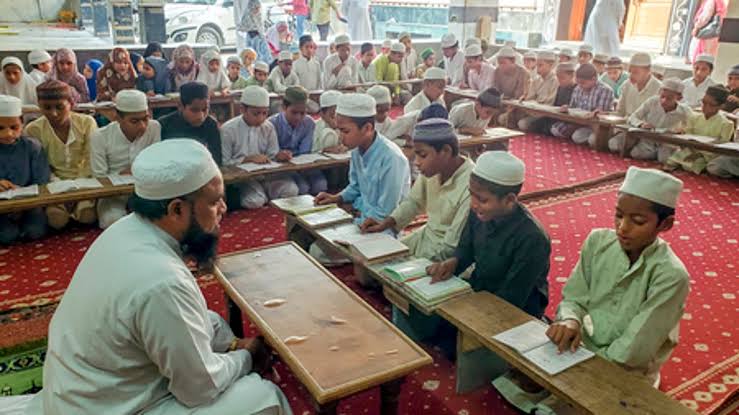
In a landmark reform aimed at restructuring minority education, the Uttarakhand Government has officially abolished the state’s Madrasa Board and established the Uttarakhand State Minority Education Authority (USMEA). The new authority, which came into effect on July 1, 2026, will regulate, recognize, and oversee educational institutions belonging to all six notified minority communities in the state under a single statutory framework.
Chief Minister Pushkar Singh Dhami launched the authority in Dehradun, describing it as a major education reform intended to improve transparency, educational quality, and equal opportunities while preserving the cultural and religious identity of minority communities.
Why Was the Madrasa Board Abolished?
The reform follows the implementation of the Uttarakhand Minority Education Act, 2025, which repealed the earlier Madrasa Education Board Act, 2016 and related recognition rules.
Previously, the Madrasa Board primarily regulated institutions run by the Muslim community. Under the new system, educational institutions established by Muslims, Sikhs, Christians, Jains, Buddhists, and Parsis will now receive recognition and regulation through a common authority. The government says this approach ensures equal treatment for all notified minority communities.
What is the Uttarakhand State Minority Education Authority (USMEA)?
The Uttarakhand State Minority Education Authority (USMEA) is a statutory body responsible for regulating minority educational institutions across the state.
Its key responsibilities include:
- Granting recognition to minority educational institutions.
- Monitoring academic standards and governance.
- Ensuring transparency in administration.
- Facilitating implementation of the National Education Policy (NEP) 2020.
- Promoting quality education alongside cultural and religious identity.
- Overseeing compliance with state education norms.
Key Features of the New Education Framework
1. One Regulatory Authority for Six Minority Communities
For the first time in Uttarakhand, institutions run by all six notified minority communities will function under a unified recognition and regulatory system.
These communities include:
- Muslims
- Sikhs
- Christians
- Jains
- Buddhists
- Parsis
The government says this creates a more inclusive and uniform framework for minority education.
2. Equal Recognition for Minority Institutions
Under the previous arrangement, recognition largely focused on madrasas. The new authority extends statutory recognition to educational institutions operated by all notified minority communities, ensuring equal access to the regulatory framework.
3. Focus on Quality and Modern Education
According to the state government, the authority will encourage institutions to combine cultural and religious education with modern academic subjects such as:
- Science
- Mathematics
- Computer education
- Skill development
- Digital literacy
The objective is to improve educational outcomes while preparing students for future academic and employment opportunities.
4. Alignment with National Education Policy (NEP) 2020
Officials have stated that the authority will support the implementation of the National Education Policy (NEP) 2020, promoting:
- Quality learning
- Teacher training
- Transparent governance
- Modern curriculum
- Holistic student development
This is expected to strengthen the overall quality of minority education across the state.
Government’s Vision Behind the Reform
While launching the authority, Chief Minister Pushkar Singh Dhami said the initiative aims to provide every child with access to quality education regardless of community background.
The government has described the reform as part of a broader effort to:
- Improve educational standards.
- Strengthen institutional transparency.
- Ensure equal opportunities for all minority communities.
- Enhance administrative efficiency.
- Build a more inclusive education system.
The Chief Minister also linked the initiative to the vision of “One Nation, One Education,” emphasizing equal educational opportunities alongside the preservation of cultural identity.
What Changes for Minority Educational Institutions?
With the establishment of USMEA, minority institutions will now operate under a common legal and administrative framework.
The authority will:
- Issue recognition certificates.
- Monitor compliance with educational standards.
- Facilitate curriculum implementation.
- Promote teacher training.
- Encourage adoption of modern teaching practices.
- Improve institutional accountability.
The reform is intended to replace multiple regulatory arrangements with a single, standardized system.
Potential Impact on Education
Education experts believe the reform could have several implications.
Positive Outcomes Expected
- Uniform regulation across minority educational institutions.
- Greater transparency in recognition and governance.
- Wider access to quality education.
- Better alignment with national education reforms.
- Improved monitoring and institutional accountability.
At the same time, as with any major policy change, the implementation and long-term impact of the new framework are likely to be closely observed by educational institutions, community representatives, and policymakers.
A Significant Education Reform
By replacing the Madrasa Board with the Uttarakhand State Minority Education Authority, Uttarakhand has introduced a new governance model for minority education. The reform expands regulatory oversight beyond madrasas to include institutions run by all notified minority communities, while emphasizing educational quality, transparency, and equal recognition.
The success of the initiative will depend on its implementation, cooperation between educational institutions and the state, and its ability to balance modern educational standards with the constitutional rights and cultural traditions of minority communities.