September 18, 2025
Delhi, India
In a swift move under President Donald Trump’s second term, the US State Department dropped a bombshell on September 6, 2025: All nonimmigrant visa (NIV) applicants must now book interviews at US embassies or consulates in their country of nationality or legal residence—no exceptions for third-country shortcuts. This “effective immediately” directive, announced via travel.state.gov, slams the door on pandemic-era workarounds that let applicants chase faster slots abroad. For the millions eyeing B1/B2 tourism/business visas, F-1/M-1 student stints, H-1B jobs, or even K-1 fiancé approvals, it’s a return to pre-COVID rigidity, aimed at streamlining security checks but sparking chaos for global applicants.
- Key Points:
- Effective date: September 6, 2025; applies to new bookings—existing third-country appointments may face scrutiny or cancellation.
- Scope: Covers all NIV categories except diplomatic/official visas (A/G/NATO series).
- Rationale: Boosts “visa integrity” and reduces fraud, per State Dept.; ties into broader Trump-era immigration curbs.
Indian Students Hit Hardest: From Dubai Slots to Delhi Delays
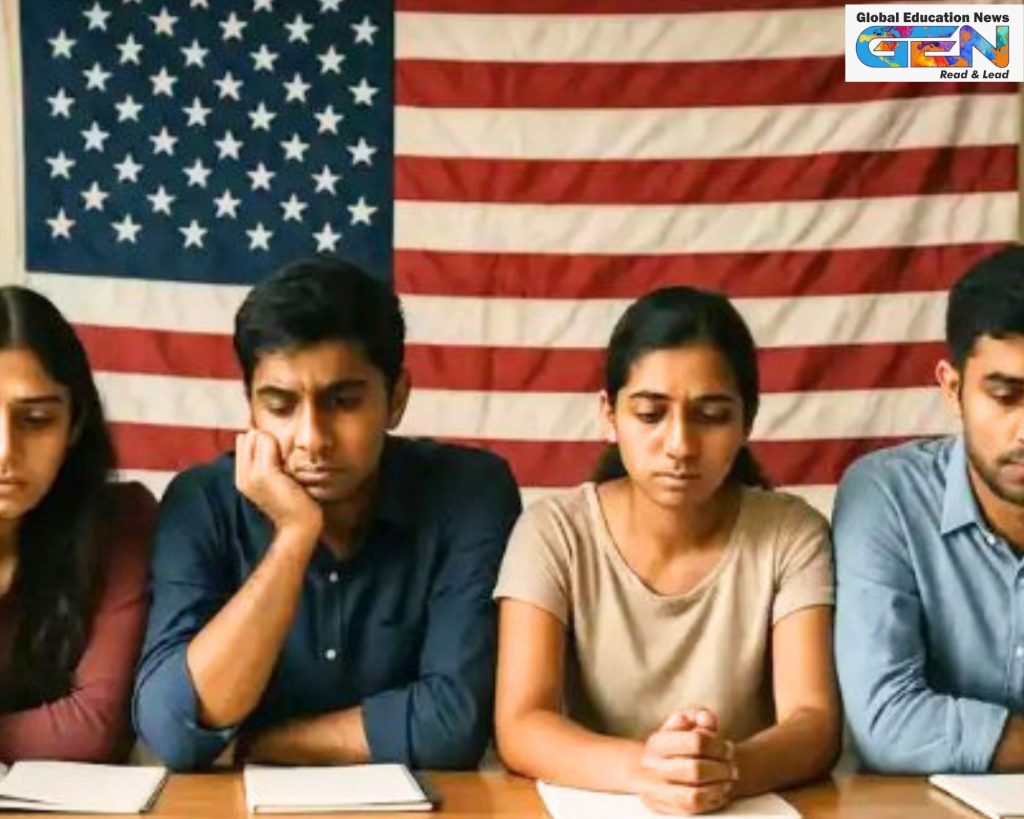
India, sending over 331,000 students to US campuses annually (the world’s largest cohort), feels the pinch deepest. Pre-policy, applicants flocked to UAE, Singapore, or Germany for slots amid India’s 3-9 month backlogs—Chennai’s B1/B2 waits hit nine months, Hyderabad’s three-and-a-half. Now, F-1 hopefuls must hunker down at home consulates (Delhi, Mumbai, Chennai, Hyderabad, Kolkata), facing intensified competition and potential semester disruptions. Agents report a 30-40% enrollment dip projected for fall 2025, with families shelling out extra on travel and lost opportunities. One X user vented: “Booked Germany for my kid’s F-1—now refund roulette and 6-month wait? US dreams deferred.”
- Key Points:
- Backlog snapshot: Student visas prioritized but still 2-4 months in major Indian cities; B1/B2 up to 9 months.
- Cost ripple: Refile fees ($185 NIV + $250 “integrity fee” from Oct 1), plus domestic travel—could add Rs 50,000+ per applicant.
- Student surge: 2024 saw 1.1 million Indians apply; 2025 projections down 25% due to cumulative rules.
Layered Restrictions: In-Person Interviews, Fees, and Social Scrutiny
This isn’t solo—it’s a policy trifecta. On September 2, interview waivers vanished for most, mandating face-time for under-14s and over-79s too, ending the “Dropbox” renewal ease for F/H/L visas. Layer on a $250 Visa Integrity Fee (refundable only for rule-followers) and $24 I-94 charge from the July 4 “One Big Beautiful Bill,” plus mandatory social media deep-dives for F-1s. DHS whispers of capping F-1 stays at four years (ditching “duration of status”) could clip PhD timelines, while AI-flagged “Catch and Revoke” revocations—over 300 in 2025 for minor infractions or protests—add paranoia.
- Key Points:
- Waiver survivors: B1/B2 renewals within 12 months (if prior visa post-18); diplomatic visas only.
- Screening spotlight: Social profiles must go public; ties to protests or “anti-Semitic” activity flagged for revocation.
- Fee fallout: Total add-ons ~Rs 22,000; non-refundable unless compliant, inflating family budgets.
Exceptions and Workarounds: Not All Doors Slammed Shut
Silver linings exist—for some. Nationals from nations sans routine US ops (e.g., Russians via Astana/Warsaw, Afghans in Islamabad, Iranians in Dubai) stick to designated hubs, proving residence there. Pre-September 6 third-country bookings? Mostly honored, but expect extra grilling on ties home. For Indians, no such luck—consulates urge early DS-160 filings and I-20 proofs. Experts tip: Beef up “intent to return” docs (bank statements, property ties) to counter overstay fears.
- Key Points:
- Designated spots: Limited to ~20 countries’ nationals; Indians ineligible.
- Renewal relief: B1/B2 within 12 months may waive interviews if in-country.
- Pro hacks: Monitor ustraveldocs.com for slots; use premium lounges for faster processing (~$200 extra).
Global Ripples and Business Blues: Beyond Students
The net widens: H-1B renewals for 500,000+ Indian techies risk stranding post-travel, hiking corporate costs 20-30%. Tourism dips loom for B1/B2, while K-1 fiancés face emotional tolls. Globally, a 15% NIV drop forecasted, hitting US unis’ $40B international revenue. Critics decry it as “America First” overreach; supporters hail fraud-busting.
- Key Points:
- Work visa woes: L-1/O-1 intracompany transfers disrupted; firms warn against non-US trips.
- Economic echo: Indian students pump $8B+ into US; potential 40K fewer arrivals = campus ghost towns.
- Broader bans: 19-country student visa blocks (Africa/Asia/Mideast) compound delays.
Navigating the New Normal: Tips for Indian Applicants
Don’t panic—plan. Start DS-160 six months early, arm with enrollment letters/financials, and practice interview zingers on ties to India. Alternatives? Canada/Australia visas surged 25% in 2025—UK’s post-study work visa now a hot pivot. Embassy hotlines buzz with queries; check in.usembassy.gov for rupee-dollar tweaks (now 87:1).
- Key Points:
- Timeline tweak: Apply 3-6 months pre-course; track via CEAC portal.
- Doc drill: Emphasize return intent—jobs, family, assets—to slash rejection risks (up 10% in 2025).
- Backup blueprint: Eye UK/UK/Global Talent or Aussie subclass 500; scholarships easing costs.
The Bigger Horizon: Is This the End of Easy US Dreams?
As October’s integrity fee looms, this policy cocktail—interviews, home mandates, fees—tests resolve. For Indian families, it’s a gut-check: $50K tuitions plus visa roulette? Yet, US allure endures—top unis, OPT gigs. Will it spur diversification to Europe/Oz, or force reforms? X chatter screams frustration: “From American Dream to Nightmare Queue.” Your story—delayed app or alt path? Spill below; let’s strategize.