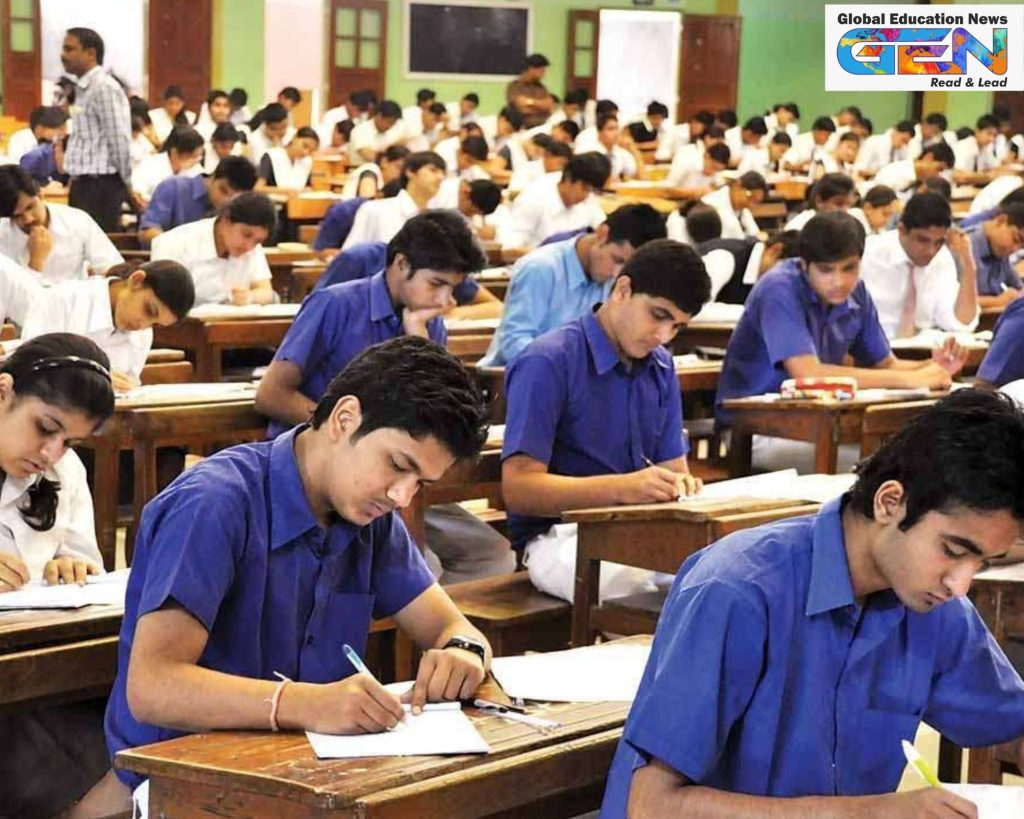
Starting July 1, 2025, the Uttar Pradesh Secondary Education Board (UP Board) is set to transform its education system by making online attendance mandatory for all students, teachers, and staff across its 28,000+ affiliated schools. This groundbreaking initiative, announced in Prayagraj, introduces a biometric attendance system to ensure transparency, reduce dropouts, and elevate teaching quality. With 5.5 million students in Classes 9 to 12, this move aligns with India’s push for digital education and NEP 2020 goals.
Key Points:
- Launch Date: July 1, 2025, for all government, aided, and private UP Board schools.
- Scope: Covers over 28,000 schools and 5.5 million students in Classes 9–12.
- Biometric System: Daily attendance logged via a special online portal.
- Objective: Enhance transparency, monitor teaching, and improve education quality.
Why Online Attendance Matters
This digital attendance system is more than just a roll call—it’s a game-changer for Uttar Pradesh’s education landscape. By tracking attendance in real time, the UP Board aims to curb fake enrollments, ensure regular teacher presence, and tackle the dropout crisis. The system will provide accurate data to help schools and policymakers make informed decisions, aligning with NEP 2020’s focus on accountability and quality education.
Key Points:
- Transparency Boost: Eliminates fake enrollments and ensures accurate records.
- Dropout Control: Real-time data to monitor and reduce student dropouts.
- Teacher Accountability: Ensures timely presence and regular teaching.
- Policy Alignment: Supports NEP 2020’s vision for modernized education.
How the Biometric System Works
Principals will record daily attendance for students, teachers, and staff on a dedicated online portal, using biometric technology for precision. This system, inspired by initiatives like Ranchi’s e-Vidya Vahini portal, ensures real-time monitoring and swift action against non-compliance. Schools failing to adopt the system may face strict measures, ensuring a seamless transition to digital accountability.
Key Points:
- Daily Logging: Principals update attendance on a special portal.
- Biometric Precision: Uses advanced technology for accurate tracking.
- Real-Time Monitoring: Enables quick intervention for attendance issues.
- Strict Enforcement: Non-compliance may lead to penalties for schools.
A Step Toward Smarter Education
The online attendance system complements Uttar Pradesh’s broader push for digital education, including ₹325 crore invested in smart classrooms across the state. With 1,780 smart classrooms already operational, the initiative has boosted enrollment by 15% above the national average in urban government schools. This digital shift ensures students are engaged and teachers are accountable, paving the way for a future-ready education system.
Key Points:
- Smart Classrooms: Over 2,700 smart classrooms, with 1,780 operational.
- Enrollment Surge: Urban schools see 60% enrollment, 15% above national average.
- Digital Ecosystem: Integrates with UP’s tech-driven education reforms.
- Student Benefit: Enhances learning through consistent attendance and quality teaching.
Impact on Uttar Pradesh’s Future
This initiative is a cornerstone of Uttar Pradesh’s mission to modernize education and reduce the performance gap highlighted in the PGI 2.0 report, where no state reached top grades. By ensuring regular attendance and teaching, UP aims to improve learning outcomes and prepare students for competitive exams like NEET-UG and JEE, following the success of initiatives like the Sarvodaya Vidyalaya model, where 12 Dalit and OBC girls cracked NEET-UG.
Key Points:
- Learning Outcomes: Addresses India’s challenge of weak learning outcomes.
- Competitive Edge: Prepares students for exams like NEET and JEE.
- Inclusivity: Builds on successes like Sarvodaya Vidyalaya for marginalized students.
- National Goal: Aligns with India’s 2030 universal literacy target.
What Schools and Stakeholders Need to Know
As schools prepare for the July 1, 2025, rollout, principals and administrators must ensure digital infrastructure readiness, including internet access and biometric devices. The UP Board will release a revised academic calendar to align with this system, especially after the 15-day summer vacation extension due to heatwaves. Schools are urged to train staff and integrate the system smoothly to avoid disruptions.
Key Points:
- Infrastructure Prep: Schools need reliable internet and biometric tools.
- Training Required: Staff must be trained for seamless portal use.
- Academic Calendar: Revised to accommodate new system and vacation changes.
- Stakeholder Role: Principals and teachers key to successful implementation.
A Model for India’s Education Future
Tripura’s recent achievement of 95.6% literacy under the ULLAS scheme shows what focused education reforms can achieve. UP’s online attendance system could set a similar precedent, inspiring other states to adopt digital monitoring for better accountability and outcomes. As India aims for a Viksit Bharat by 2047, UP’s bold step is a blueprint for transforming education nationwide.
Key Points:
- National Inspiration: Follows Tripura’s literacy success model.
- Scalable Reform: Could influence other states to adopt digital systems.
- Viksit Bharat Vision: Supports India’s long-term education goals.
- Global Relevance: Aligns with UNESCO’s focus on learning outcomes.
Join the Digital Education Revolution!
Uttar Pradesh’s move to mandatory online attendance is a bold stride toward a transparent, accountable, and high-quality education system. Schools, teachers, and students—get ready for July 1, 2025, and embrace the future of learning! Stay updated via the UP Board’s official portal and be part of this transformative journey.
Key Points:
- Get Ready: Prepare for the July 1, 2025, rollout.
- Stay Informed: Check UP Board’s portal for updates.
- Be Part of Change: Support transparency and quality in education.
- Bright Future: Help build a stronger, smarter Uttar Pradesh!