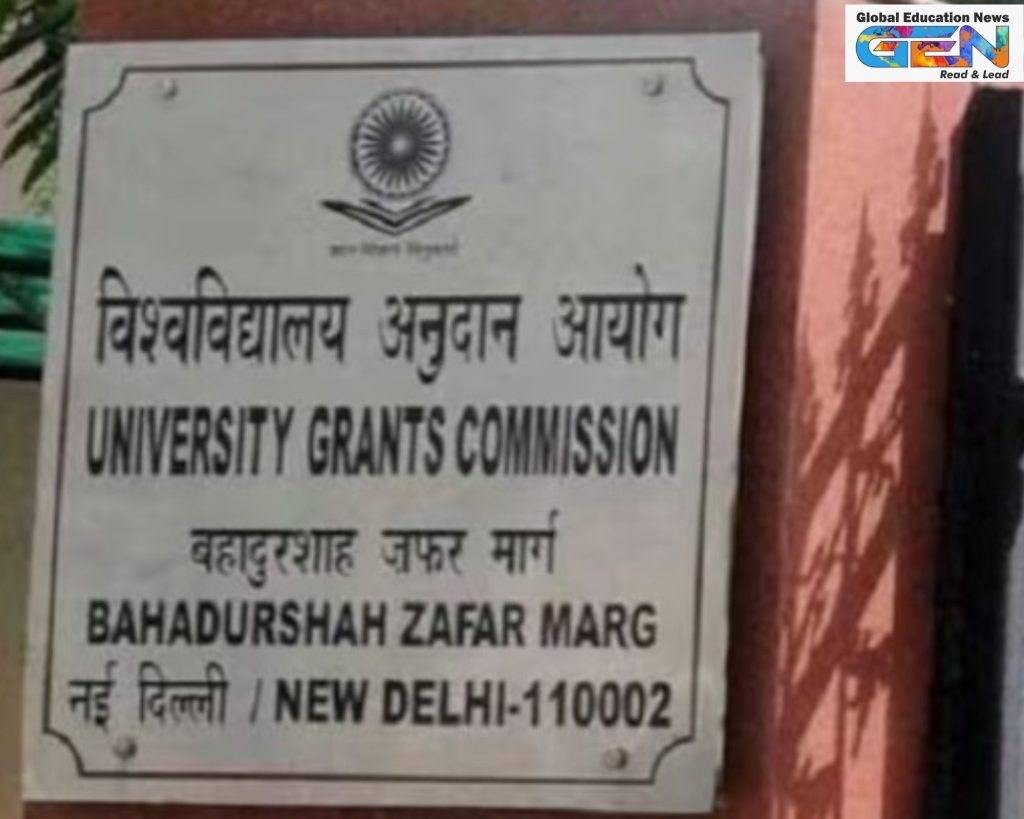
As of December 25, 2025, India’s higher education sector stands at a crossroads, where ambitious University Grants Commission (UGC) mandates clash with entrenched systemic failures. Recent parliamentary disclosures reveal a flood of complaints to the Education Ministry, spotlighting discrepancies in enrollment equity, institutional quality, and regulatory enforcement. With the National Education Policy (NEP) 2020 aiming for a 50% Gross Enrollment Ratio (GER) by 2035, these grievances underscore a troubling lag: while UGC norms promise inclusivity and excellence, ground realities paint a picture of discrimination, substandard private colleges, and proliferating fake universities. This analysis synthesizes complaint trends, policy benchmarks, and data-driven insights to dissect the issues, evaluate responses, and chart pathways for reform, emphasizing the urgent need for accountability in a sector educating over 43 million students.
Background: The UGC’s Vision and the Shadows of Implementation
Established under the UGC Act of 1956, the commission sets standards for higher education, including quality assurance, equity measures, and anti-discrimination protocols. Yet, as education falls under the Concurrent List, implementation relies on shared Centre-state duties—a recipe for inconsistencies. Recent draft regulations for 2025, focusing on teacher appointments and promotions, have amplified debates on centralization versus autonomy, while alerts against unauthorized distance learning in fields like psychology highlight evolving enforcement.
- Core UGC Mandates: Institutions must establish grievance cells for Scheduled Castes (SC), Scheduled Tribes (ST), Other Backward Classes (OBC), and Persons with Disabilities (PwD) under the 2012 UGC (Prevention of Caste-Based Discrimination) Regulations. Private universities require state legislative approval and adherence to UGC rules.
- Rising Complaint Wave: Grievances surged in 2025, targeting private sector lapses and regulatory blind spots, reflecting broader anxieties over academic freedom and privatization’s unchecked growth.
- Policy Context: NEP’s equity push contrasts with persistent under-enrollment among marginalized groups, exacerbated by post-pandemic shifts to online modes—now booming but unevenly regulated.
This backdrop reveals not just policy intent but a systemic disconnect, where norms exist on paper but falter in practice.
Key Complaints: Voices from the Margins Exposing Systemic Flaws
Complaints pouring into the ministry in 2025 illuminate a spectrum of violations, from overt discrimination to covert quality erosions, often unaddressed due to fragmented oversight.
- Caste-Based Discrimination: Reports of harassment and unequal treatment in hostels, classrooms, and placements, breaching 2012 UGC regulations that mandate anti-bias committees and annual reporting.
- Private College Pitfalls: High fees juxtaposed with poor infrastructure, unqualified faculty, and administrative opacity—issues rampant in the sector’s 40% market share expansion.
- Fake University Menace: Unauthorized entities awarding invalid degrees, misleading thousands; complaints cite deceptive marketing and lack of accreditation verification.
- Enrollment and Access Barriers: Underrepresentation of disadvantaged groups, with rural and female students hit hardest by geographic and economic hurdles.
These grievances, often from students and faculty, signal a trust deficit: one advocate noted, “The promise of inclusive education rings hollow when complaints vanish into bureaucratic voids.”
Data Snapshot: Quantifying the UGC-Reality Gap
Provisional All India Survey on Higher Education (AISHE) 2022-23 data, updated in 2025, quantifies the disparities, showing uneven progress toward NEP targets.
| Metric | UGC/NEP Target (by 2035) | Current Reality (2022-23) | Gap Analysis |
|---|---|---|---|
| Overall GER | 50% | 29.5% | Stagnant growth; urban bias widens rural exclusion. |
| SC GER | Parity with overall | 27.3% | 2.2% shortfall; discrimination complaints correlate with 15% higher dropout rates. |
| ST GER | Parity with overall | 23.5% | 6% deficit; remote areas see <10% access. |
| Female GER (National) | 50% | ~28% (inferred from state data) | Progress in Bihar (19.9%) and Assam (17.8%) lags; rural completion <5%. |
| Fake Institutions | Zero tolerance | 24 listed (up from 22 in Oct 2025) | UGC alerts issued, but enforcement yields only 30% resolution rate. |
These figures, drawn from ministry disclosures, highlight how complaints—numbering in the thousands annually—mirror enrollment shortfalls, with 2025 seeing a 20% uptick in discrimination filings.
Case Studies: Ground Realities in Action
Illustrative examples from 2025 complaints paint vivid portraits of norm erosion:
- Eastern States’ Enrollment Crisis: In Bihar and Assam, female GER trails national averages despite surpassing male rates locally, tied to complaints of inadequate scholarships and transport for rural colleges—echoing UGC’s equity mandates but thwarted by state funding gaps.
- Private Sector Scandals: A cluster of urban private institutions faced backlash for exorbitant fees (up to ₹2 lakh/year) against subpar labs and biased placements, violating UGC’s affordability guidelines; one case involved a Delhi-area entity masquerading as accredited.
- Fake University Crackdowns: Alerts against three northeastern “universities” in late 2025 warned of invalid psychology degrees via distance modes, banned by UGC from July-August; nationwide, 24 entities persist, fueling fraud complaints and eroding degree credibility.
- Marginalized Group Struggles: PwD students reported inaccessible campuses in 40% of surveyed privates, flouting UGC’s 2012 accessibility norms, while OBC quotas remain underfilled by 25% in elite institutions.
These vignettes underscore a 2025 trend: privatization’s boom (adding 5,000+ colleges since 2020) outpaces quality checks, amplifying inequities.
Government and UGC Responses: Progress Amid Pushback
The ministry’s December 2025 parliamentary reply, via Minister of State Dr. Sukanta Majumdar, outlined referral mechanisms: private grievances to state panels, discrimination cases to institutional cells, and fake university alerts via notices, FIRs, and school board advisories. Yet, critics decry these as reactive, with only 60% resolution in 2025.
- Enforcement Tools: UGC’s 2025 drafts centralize vice-chancellor appointments to curb political interference, while bans on certain distance programs aim to safeguard standards.
- Collaborative Efforts: Joint Centre-state audits planned for 2026, plus online grievance portals, seek to streamline complaints—potentially halving processing times.
- Expert Calls for Reform: Academics urge mandatory third-party audits and funding tied to compliance, warning that unchecked casualization of faculty (rising 15% in 2025 drafts) threatens quality.
Despite these, political undertones in regulations raise alarms over academic freedom, as seen in debates on federalism’s erosion.
Implications and Challenges: Toward Equitable Higher Education
The UGC-reality chasm risks derailing NEP’s vision, perpetuating cycles of exclusion: low GER among STs could widen economic divides by 10% by 2030, per projections, while fake degrees undermine global employability. Positively, rising complaints signal empowered stakeholders, but challenges persist—underfunded states (only 70% UGC grants disbursed in 2025), digital divides in online education (projected 20% market growth), and stigma silencing marginalized voices.
- Broader Ramifications: Erodes trust, boosts migration to foreign unis (up 12% in 2025), and hampers innovation in a youth-bulge nation.
- Equity Imperative: Without bridging gaps, India’s demographic dividend falters, especially for the 60% rural youth.