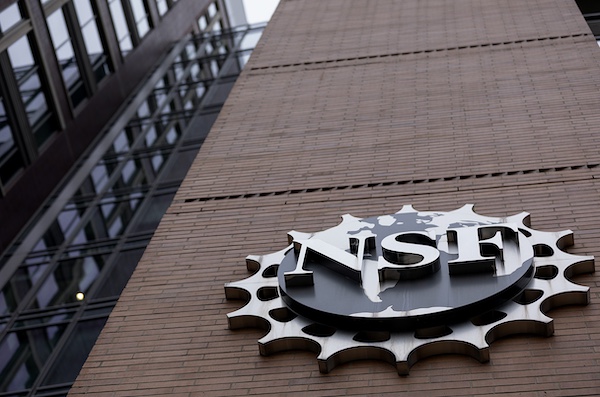
In a move that has sent shockwaves through the global scientific community, the administration of Donald Trump has dismissed the entire National Science Board (NSB)—the independent body overseeing the National Science Foundation (NSF), one of the world’s leading research funding agencies.
The decision, described by experts as unprecedented, has triggered widespread debate about the future of scientific independence, funding priorities, and policy direction in the United States.
What Happened?
All members of the National Science Board—around 22 to 25 scientists and experts from academia and industry—were informed that their roles were “terminated, effective immediately” via an official communication.
The board, established in 1950, plays a crucial role in:
- Advising the US government on science and engineering policy
- Approving major research funding decisions
- Setting the strategic direction of the NSF
Its members typically serve staggered six-year terms to ensure continuity across political administrations.
Why the National Science Foundation Matters
The National Science Foundation is a cornerstone of American innovation, with an annual budget of roughly $9 billion supporting research in fields such as:
- Artificial Intelligence
- Space science and astronomy
- Climate studies
- Engineering and technology
The agency has historically funded breakthroughs that shaped modern technology—from medical imaging to digital communication systems.
Concerns Over Scientific Independence
The abrupt dismissal of the board has raised serious concerns among scientists, policymakers, and academic institutions.
Critics argue that:
- The move could increase political control over scientific decision-making
- It may weaken independent oversight of research funding
- It risks undermining the credibility and neutrality of scientific institutions
Several experts have warned that without an independent board, future funding cuts or policy shifts could face less resistance.
Budget Battles and Policy Context
The development comes amid ongoing tensions over science funding. The administration had earlier proposed significant cuts to the NSF budget, although such reductions were blocked by lawmakers.
With the oversight board now removed, concerns are growing that:
- Budget reductions could be easier to implement
- Strategic decisions may become more centralized
- Long-term research projects could face uncertainty
Global Impact: Why the World Is Watching
The implications of this decision extend far beyond the United States. As a global leader in research and innovation, any shift in US science policy can:
- Influence international collaborations
- Impact global research funding ecosystems
- Affect the future of scientific talent and innovation worldwide
Experts caution that disruptions at the NSF could lead to a loss of global leadership in science and technology.
What Comes Next?
The White House has indicated that the move may be linked to legal and structural concerns regarding the board’s authority, suggesting potential reforms in how the body operates.
However, questions remain:
- Will a new board be appointed, and if so, how?
- Will the replacement maintain scientific independence?
- How will this affect ongoing and future research projects?