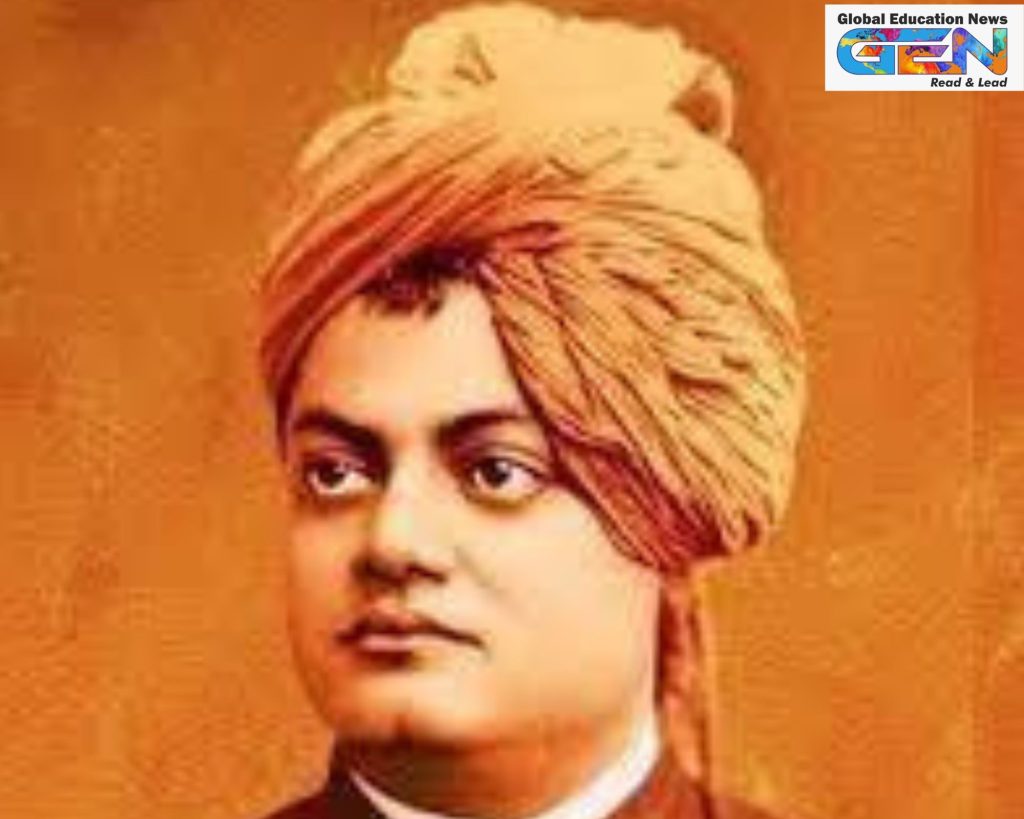
On July 4, 2025, India and the world will mark the 123rd Death Anniversary of Swami Vivekananda, a spiritual giant whose words still ignite passion and purpose. Known for his iconic 1893 Chicago speech at the Parliament of the World’s Religions, Vivekananda introduced Vedanta and Yoga to the West, earning global acclaim. His call to “Arise, awake, and stop not till the goal is reached” continues to inspire millions. As we honor his Punyatithi, let’s dive into his extraordinary life, teachings, and enduring impact
Key Points:
- Death Anniversary: Observed on July 4, 2025, marking his passing in 1902.
- Global Influence: Introduced Hinduism and Vedanta to the Western world.
- Youth Inspiration: His teachings fuel India’s National Youth Day celebrations.
Who Was Swami Vivekananda?
Born Narendranath Datta on January 12, 1863, in Kolkata, Swami Vivekananda was a prodigy with a restless spirit. His father, Vishwanath Datta, was a Calcutta High Court attorney, while his mother, Bhubaneshwari Devi, instilled deep spirituality. From a young age, Vivekananda meditated before images of Hindu deities and questioned life’s mysteries. His meeting with Sri Ramakrishna Paramahamsa in 1881 transformed him, leading to his monastic vows and the name “Vivekananda,” meaning “the bliss of discerning wisdom.”
Key Points:
- Birth: January 12, 1863, in a Bengali family in Kolkata.
- Spiritual Mentor: Disciple of Sri Ramakrishna, who shaped his spiritual path.
- Monastic Life: Took vows in 1886, becoming Swami Vivekananda.
The Chicago Speech That Shook the World
In 1893, Vivekananda captivated the world at the Parliament of the World’s Religions in Chicago. His opening words, “Sisters and Brothers of America,” earned a standing ovation, marking the start of his global influence. He spoke of religious tolerance, universal acceptance, and the unity of all faiths, elevating Hinduism to a major world religion. The New York Herald called him “the greatest figure in the Parliament of Religions.”
Key Points:
- Iconic Moment: Chicago speech on September 11, 1893.
- Global Impact: Introduced Yoga and Vedanta to the West.
- Universal Message: Promoted interfaith harmony and tolerance.
Founding the Ramakrishna Mission
In 1897, Vivekananda founded the Ramakrishna Mission at Belur Math, West Bengal, to honor his guru, Sri Ramakrishna. The mission blends spirituality with social service, focusing on education, healthcare, and empowerment. It remains a beacon of Vedanta philosophy and humanitarian work, inspiring millions to serve humanity as a form of worship.
Key Points:
- Established: 1897 at Belur Math, near Kolkata.
- Mission: Combines spiritual growth with social welfare.
- Legacy: Active in education, health, and tribal welfare.
Teachings That Inspire Generations
Vivekananda’s philosophy, rooted in neo-Vedanta, bridged spirituality and material progress. He urged youth to embrace self-confidence, service to humanity, and fearless living. His famous quotes, like “You are the creator of your destiny” and “Service to man is service to God,” resonate deeply, especially with India’s youth. His vision of education focused on character-building and empowering the masses.
Key Points:
- Self-Belief: Encouraged youth to trust their inner strength.
- Service: Emphasized helping the poor as true spirituality.
- Education: Advocated for character-driven, inclusive learning.
A Life Cut Short, A Legacy Eternal
On July 4, 1902, Vivekananda attained Mahasamadhi at Belur Math, passing away at just 39 due to a brain hemorrhage. He had predicted he wouldn’t live past 40, yet his brief life left an indelible mark. Cremated on the banks of the Ganga, his legacy lives on through the Ramakrishna Mission and his teachings.
Key Points:
- Death: July 4, 1902, at Belur Math.
- Cause: Ruptured blood vessel in the brain.
- Prediction: Foretold he wouldn’t live beyond 40.
Why July 4, 2025, Matters
The 123rd Death Anniversary is a moment to reflect on Vivekananda’s contributions. Leaders like PM Narendra Modi, Amit Shah, and Yogi Adityanath have paid tributes, with Modi calling him a “guiding light” for India’s youth. Events across India, including seminars, essay competitions, and prayer meetings, will honor his vision. In Bengal, Vivek Tirtha in Newtown will celebrate his philosophy with Vivek Chetna Utsav.
Key Points:
- Tributes: Leaders like Modi and Shah honor Vivekananda’s legacy.
- Events: Seminars, competitions, and Vivek Tirtha celebrations.
- Youth Focus: Aligns with National Youth Day ideals.
Challenges and Relevance Today
Vivekananda faced poverty, illness, and societal challenges, yet his message of universal tolerance and self-belief remains vital. Critics note that his emphasis on Hindu pride sometimes stirred debate, but his call for interfaith harmony transcends divisions. In 2025, his teachings inspire youth to tackle modern issues like inequality and division.
Key Points:
- Challenges: Overcame poverty and health struggles.
- Relevance: Addresses modern issues of unity and empowerment.
- Debate: Hindu pride balanced with universal tolerance.
How to Honor Vivekananda’s Legacy
On July 4, 2025, join the nation in celebrating Vivekananda’s vision:
- Read His Works: Dive into Raja Yoga, Karma Yoga, or Jnana Yoga.
- Attend Events: Participate in local Ramakrishna Mission programs or seminars.
- Share Quotes: Post inspiring quotes like “Be a hero. Always say, ‘I have no fear’” on social media.
Key Points:
- Engage: Attend Vivek Chetna Utsav or local events.
- Learn: Explore Vivekananda’s books and speeches.
- Inspire: Share his quotes to motivate others.