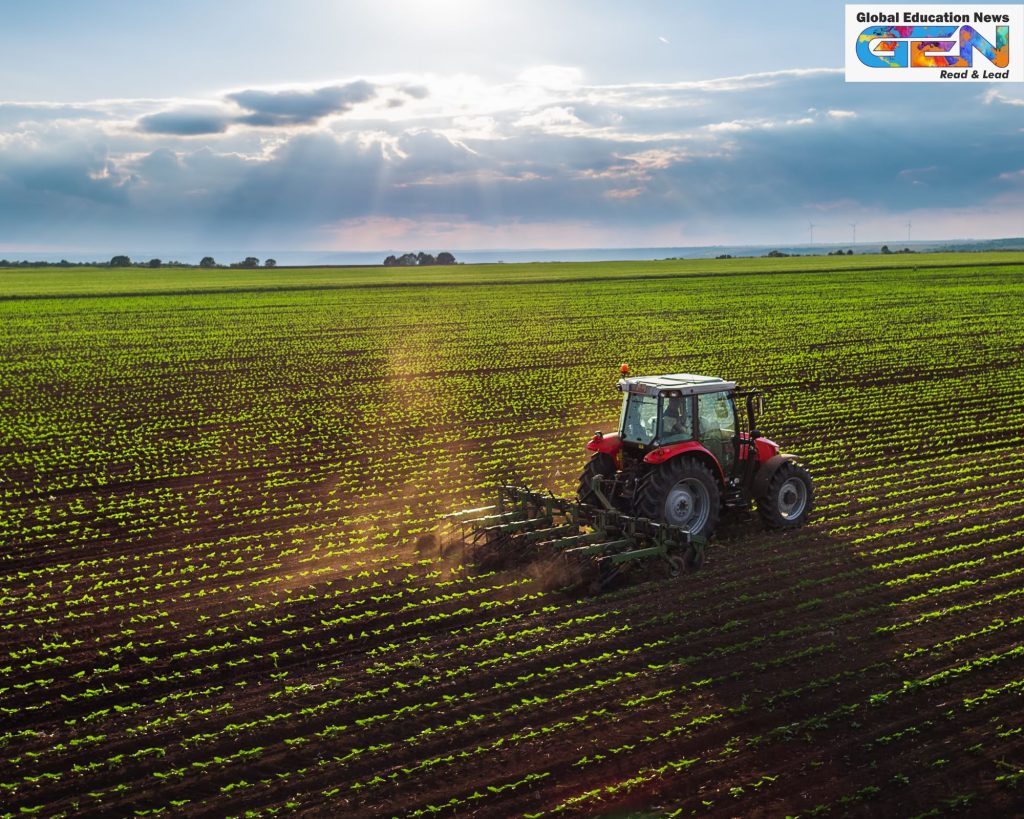
Set to convene from November 24 to 26, 2025, the Sixth International Agronomy Congress (IAC-2025) stands as the world’s premier forum for agronomists, policymakers, and innovators. Hosted in New Delhi, this landmark event will unite over 1,000 delegates—including scientists, industry leaders, and young researchers—from more than 50 countries to address pressing challenges in food security and environmental sustainability. Inaugurated by Union Minister of Agriculture and Farmers’ Welfare Shivraj Singh Chouhan, the congress underscores India’s pivotal role in advancing climate-smart agriculture amid global uncertainties like erratic weather and resource scarcity.
- Scale and Significance: As the largest global agronomy conclave, it builds on five prior editions, fostering cross-border collaborations aligned with UN Sustainable Development Goals (SDGs) on zero hunger, climate action, and sustainable land use.
- Timely Relevance: With India’s agriculture employing 45% of the workforce and facing biodiversity loss, the event arrives at a critical juncture for national missions like the National Mission for Sustainable Agriculture.
- Expected Outcomes: Actionable policy recommendations, research breakthroughs, and tech showcases to propel inclusive, resilient farming systems worldwide.
This congress isn’t just a conference—it’s a blueprint for reimagining agronomy in an era of smart tech and ecological urgency.
Organizers and Venue: A Hub of Agricultural Excellence
The Indian Society of Agronomy (ISA), in partnership with the Indian Council of Agricultural Research (ICAR), Indian Agricultural Research Institute (IARI), and National Academy of Agricultural Sciences (NAAS), spearheads the organization. These institutions, pillars of India’s agronomy ecosystem, ensure a blend of scientific rigor and practical outreach.
- Venue Details: National Agricultural Science Complex (NASC), Pusa, New Delhi— a state-of-the-art facility equipped for plenary halls, exhibition spaces, and interactive sessions.
- Logistics and Accessibility: Hybrid format options for global participation; registration open via the official IAC portal, with early-bird deadlines passed but on-site spots available.
- Sponsorship Ecosystem: Backed by agri-tech firms and international bodies like ICARDA, highlighting public-private synergies for innovation scaling.
New Delhi’s selection symbolizes India’s agrarian heritage while positioning it as a nexus for South-South knowledge exchange.
Theme and Objectives: Re-Envisioning Agronomy for Resilience
Under the theme “Re-envisioning Agronomy for Smart Agro-Food Systems and Environmental Protection,” IAC-2025 aims to integrate cutting-edge science with equitable practices. Objectives center on charting future-ready farming, balancing productivity with planetary health, and generating policy inputs for adoption at national and international levels.
- Core Pillars: Promote climate-smart agriculture; enhance food and nutrition security; facilitate global knowledge sharing; and drive inclusive innovations for smallholders and women farmers.
- Sub-Themes: Nine focused tracks, including precision agriculture via AI/IoT, soil-water conservation, agro-ecological farming, digital decision-making, integrated pest/nutrient management, and sustainable agri-business models.
- Innovation Emphasis: Tackle gender inclusivity, youth engagement, and value-chain optimizations to empower marginalized communities.
By aligning with SDGs, the congress seeks to transform agronomy from a reactive field to a proactive force for global sustainability.
Scientific Program and Highlights: From Lectures to Exhibitions
The three-day agenda promises a dynamic mix of knowledge dissemination and hands-on exploration, designed to spark collaborations and breakthroughs.
- Plenary Sessions: High-level addresses by global agriculture leaders on systemic shifts toward low-emission, high-yield systems.
- Thematic Symposia and Lead Lectures: Deep dives into challenges like extreme weather adaptation and natural farming, featuring eminent scientists’ insights.
- Poster Presentations and Exhibitions: Over 500 research posters and tech demos showcasing AI-driven crop monitoring, bio-fertilizers, and drone applications.
- Young Scientists and Students’ Conference: Dedicated track for emerging talent, with mentorship sessions and pitch competitions to nurture next-gen agronomists.
- Networking Opportunities: Side events on policy dialogues and field visits to nearby research farms.
This multifaceted program ensures actionable takeaways, from lab-to-land strategies to scalable prototypes.
Key Speakers and Participants: Voices Shaping Agronomy’s Future
The lineup boasts a who’s who of the field, blending Indian stalwarts with international luminaries.
- Inaugural Address: Union Minister Shivraj Singh Chouhan, highlighting government initiatives like PM KUSUM for solar-powered irrigation.
- Keynoters and Panelists: Dr. M.L. Jat, ICAR Director General and DARE Secretary, leading discussions on biodiversity; Dr. C.H. Srinivasa Rao, IARI Director; vice-chancellors from agricultural universities; and experts from ICARDA and FAO.
- Diverse Delegation: Policymakers from international organizations, agri-business tycoons, and over 200 young researchers—ensuring intergenerational and interdisciplinary dialogue.
- Spotlight Quote: Dr. Jat emphasized, “India is blessed with rich biodiversity, and our responsibility now is not only to conserve it but to harness it wisely to secure our agricultural future.”
These voices will amplify calls for global collaboration, positioning India as a sustainability vanguard.
Focus on Biodiversity and Sustainability: A Strategic Imperative
Ahead of the congress, Dr. M.L. Jat’s press briefing spotlighted biodiversity conservation as agronomy’s cornerstone—productive use of genetic resources to combat climate vulnerabilities. Sessions will explore bio-diverse cropping systems, resilient seed banks, and eco-restoration techniques.
- Biodiversity Priorities: Strategies for agro-biodiversity hotspots like the Eastern Himalayas; integration with natural farming to reduce chemical dependency.
- Sustainability Metrics: Targets for 50% emission cuts in agriculture by 2030, per India’s NDCs, through carbon-smart practices.
- Innovation Spotlights: AI for predictive breeding and blockchain for transparent supply chains.
This emphasis reflects India’s agro-ecological diversity—home to 10% of global flora—while addressing threats like soil degradation affecting 120 million hectares.
Implications for Indian and Global Agriculture: Seeds of Change
IAC-2025 could catalyze India’s ambition to double farmer incomes by 2030, informing policies like the Agri Stack digital ecosystem. Globally, it advances SDG-aligned frameworks, potentially influencing COP30 outcomes on food systems.
- Domestic Impact: Boost to R&D funding, youth skilling programs, and MSME agri-tech startups.
- International Ramifications: Strengthened North-South partnerships; scalable models for developing nations facing similar climate pressures.
- Challenges Ahead: Bridging urban-rural divides and ensuring equitable tech access.
As outputs feed into national missions, the congress promises a ripple effect—from resilient fields to fortified food chains.