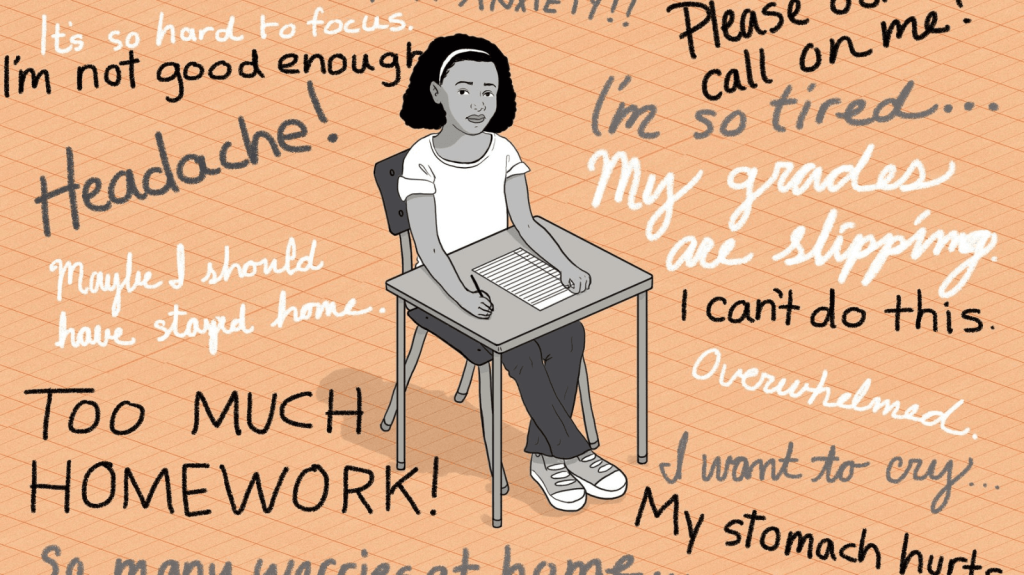
As concerns over stress, anxiety, bullying, academic pressure, and emotional well-being among children continue to rise, education experts are calling for schools to move beyond their traditional academic role and become the first line of mental health support for students.
Children spend nearly one-third of their day in school, making educational institutions uniquely positioned to identify emotional distress early, provide psychological support, and connect students with professional care when needed. Experts believe that a supportive school environment can significantly improve students’ emotional resilience, academic performance, and overall well-being.
Rather than viewing mental health as solely a medical issue, educators increasingly recognise it as a fundamental component of quality education and holistic child development.
————————————————–
Why Schools Play a Critical Role in Mental Health
Schools are often the first place where behavioural and emotional changes become visible.
Teachers, classmates, and school staff regularly interact with children and can notice warning signs such as:
- Sudden decline in academic performance
- Frequent absenteeism
- Withdrawal from friends
- Persistent sadness or anxiety
- Aggressive or disruptive behaviour
- Difficulty concentrating
- Loss of confidence
- Changes in eating or sleeping patterns reflected in school life
Early identification enables timely support before problems become more severe, making schools an essential gateway for mental health care.
————————————————–
Growing Mental Health Challenges Among Students
Children and adolescents today face multiple pressures that can affect their emotional well-being.
Common challenges include:
- Academic competition
- Examination stress
- Social media pressure
- Bullying and cyberbullying
- Family conflicts
- Loneliness and isolation
- Career uncertainty
- Peer pressure
- Emotional trauma
The increasing complexity of these challenges highlights the need for structured mental health support within educational institutions rather than relying only on external healthcare services.
————————————————–
What a Mentally Healthy School Looks Like
Experts suggest that mental health support should become part of everyday school life instead of being limited to crisis intervention.
Key components include:
Safe and Inclusive Classrooms
Students should feel respected, accepted and free from discrimination or bullying.
Trained Teachers
Teachers should receive training to recognise early signs of emotional distress and know when to refer students for professional help.
School Counsellors
Every school should have access to qualified counsellors who can provide confidential guidance and psychological support.
Mental Health Education
Age-appropriate lessons on emotional well-being, stress management, empathy and resilience can help students better understand and manage their emotions.
Parent-School Collaboration
Regular communication between schools and families ensures that students receive consistent support both at school and at home.
————————————————–
The Importance of Early Intervention
Mental health concerns often begin during childhood or adolescence. When identified early, many issues can be managed effectively through counselling, emotional support and timely professional care.
Early intervention helps:
- Prevent emotional difficulties from worsening.
- Improve academic engagement.
- Reduce absenteeism.
- Strengthen social relationships.
- Build resilience and coping skills.
- Lower the risk of long-term mental health problems.
Experts emphasise that schools should focus on prevention and well-being promotion rather than responding only after a crisis occurs.
————————————————–
Teachers Are the First Responders—Not Therapists
Education experts stress that teachers are not expected to diagnose or treat mental health conditions. Instead, their role is to:
- Observe behavioural changes.
- Create supportive classroom environments.
- Listen without judgement.
- Encourage students to seek help.
- Refer concerns to trained counsellors or mental health professionals.
Providing teachers with mental health awareness training enables them to support students more effectively while maintaining appropriate professional boundaries.
————————————————–
Reducing the Stigma Around Mental Health
One of the biggest barriers preventing students from seeking help is the stigma surrounding mental health.
Schools can reduce this stigma by:
- Encouraging open conversations.
- Conducting awareness programmes.
- Promoting emotional literacy.
- Organising peer-support initiatives.
- Celebrating mental well-being as an important aspect of overall health.
Creating a culture where students feel comfortable discussing emotional challenges can encourage early help-seeking and foster stronger peer relationships.
————————————————–
Technology and Tele-Counselling Can Expand Access
Digital technology is increasingly supporting school mental health initiatives.
Schools can utilise:
- Online counselling sessions.
- Tele-mental health consultations.
- Anonymous student helplines.
- Digital well-being resources.
- Mental health awareness applications.
These services can be particularly valuable in rural and underserved regions where access to trained psychologists remains limited.
————————————————–
India’s Policy Push Towards Student Well-being
India has been gradually strengthening its focus on student mental health through policy initiatives.
The National Education Policy (NEP) 2020 emphasises holistic development, social-emotional learning and creating inclusive learning environments. More recently, judicial directions have highlighted the responsibility of schools, colleges and coaching institutions to establish mental health support systems and proactive student well-being mechanisms.
Several states have also introduced programmes focusing on happiness, mindfulness, life skills and socio-emotional learning, reflecting a growing recognition that emotional well-being is closely linked to academic success.
————————————————–
The Way Forward
Experts recommend that every school should work towards establishing a comprehensive mental health framework that includes:
- Full-time or shared school counsellors.
- Teacher training in mental health awareness.
- Regular well-being assessments.
- Anti-bullying policies.
- Peer support programmes.
- Parent engagement initiatives.
- Crisis response protocols.
- Strong referral networks with healthcare professionals.
Such measures can transform schools into nurturing spaces where children feel safe, supported and empowered to thrive both academically and emotionally.